Is an air fryer healthier than deep frying? Yes, air frying is generally considered a healthier alternative to deep frying because it uses significantly less oil, leading to lower fat and calorie content in the cooked food. This translates to potential air fryer benefits regarding weight management and heart health. Let’s dive into a detailed comparison of air frying and deep frying, exploring the health implications of each method and how they stack up in terms of nutrition and safety.
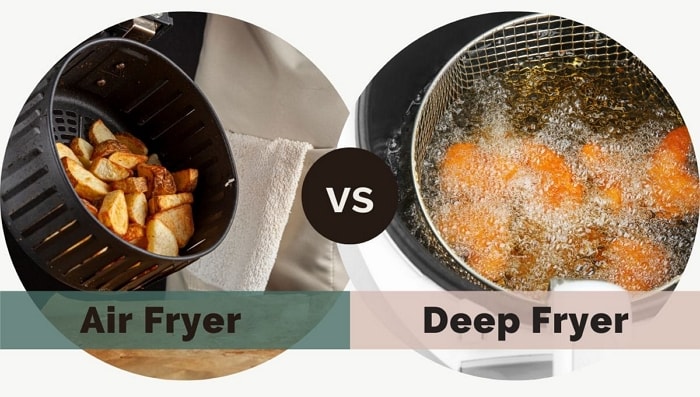
Image Source: wp-cdn.typhur.com
Deciphering Air Frying and Deep Frying
Before comparing the two methods, let’s establish what each one entails.
-
Deep Frying: This involves submerging food completely in hot oil (typically 300-400°F or 150-200°C). The oil cooks the food quickly, creating a crispy exterior and a tender interior. Examples include fried chicken, french fries, and doughnuts.
-
Air Frying: This uses a countertop appliance that circulates hot air around the food at high speed, cooking it and creating a similar crispy texture to deep-fried food. A small amount of oil is often used (or none at all), sprayed onto the food to aid browning.
Deep Frying Health Risks: A Closer Look
Deep frying, while delicious, presents several potential health risks:
High Fat Content
The most significant concern with deep frying is the substantial amount of fat absorbed by the food. The fat content varies depending on the food, the type of oil used, and the frying time. However, deep-fried foods consistently contain significantly more fat than their air-fried or baked counterparts. This excess fat contributes to:
- Weight Gain: High-fat diets are often linked to weight gain and obesity.
- Increased Cholesterol: Deep frying can raise levels of bad (LDL) cholesterol, increasing the risk of heart disease.
- Increased Triglycerides: High triglyceride levels also contribute to heart disease.
Heart Health Concerns
The type of fat used in deep frying also matters. Many restaurants and home cooks use oils high in saturated and trans fats. These fats are particularly detrimental to heart health. Saturated fats can raise LDL cholesterol, while trans fats are notorious for raising LDL cholesterol and lowering good (HDL) cholesterol. The American Heart Association recommends limiting saturated fats and avoiding trans fats as much as possible.
Acrylamide Formation
Acrylamide is a chemical that can form in starchy foods during high-heat cooking methods like deep frying. Studies have shown that acrylamide is a potential carcinogen (cancer-causing agent). While more research is needed to fully understand the effects of dietary acrylamide on humans, it is generally recommended to minimize exposure. Deep frying, due to the high temperatures and long cooking times, tends to produce higher levels of acrylamide than other cooking methods.
Oil Degradation
Repeatedly heating oil at high temperatures, as is common in deep frying, causes it to degrade and break down. This process can create harmful compounds, including trans fats and free radicals. Using degraded oil can negatively affect the taste and nutritional value of the food and potentially pose health risks.
Air Fryer Benefits: A Healthier Alternative?
Air frying offers several potential health benefits compared to deep frying:
Reduced Fat Cooking
The most significant benefit of air frying is the drastic reduction in fat content. Air fryers use little to no oil, resulting in food with significantly fewer calories and less fat. This is a game-changer for individuals watching their weight or trying to lower their cholesterol levels. Studies have shown that air frying can reduce the fat content of foods by as much as 70-80% compared to deep frying.
Calorie Reduction
Because air frying uses less oil, it naturally results in calorie reduction. This can be especially beneficial for people on a diet.
Lower Acrylamide Levels
Although air frying still involves high heat, studies suggest it may produce less acrylamide than deep frying. This is likely due to the shorter cooking times and the reduced amount of oil used.
Healthier Cooking Methods: Versatility
Air fryers are versatile appliances that can be used for various cooking methods beyond just “frying.” They can bake, roast, grill, and even dehydrate food, making them a valuable addition to any kitchen.
Air Frying vs Deep Frying Nutrition: A Head-to-Head Comparison
To illustrate the nutritional differences between air frying and deep frying, let’s compare the nutritional content of french fries cooked using both methods.
| Nutrient | Deep-Fried French Fries (100g) | Air-Fried French Fries (100g) |
|---|---|---|
| Calories | 312 | 150 |
| Total Fat | 15g | 4g |
| Saturated Fat | 2g | 0.5g |
| Trans Fat | Trace Amounts | 0g |
| Cholesterol | 0mg | 0mg |
| Sodium | 210mg | 150mg |
| Carbohydrates | 41g | 28g |
| Fiber | 4g | 3g |
| Sugar | 0.3g | 0.2g |
| Protein | 3g | 2g |
Note: Nutritional values may vary depending on the specific recipe and ingredients used.
As you can see, air-fried french fries have significantly fewer calories and fat than their deep-fried counterparts.
Air Fryer Pros and Cons: A Balanced View
While air fryers offer several advantages, it’s important to consider both their pros and cons:
Pros:
- Healthier: Lower fat and calorie content.
- Versatile: Can be used for various cooking methods.
- Convenient: Easy to use and clean.
- Faster: Cooks food faster than traditional ovens.
- Safer: Reduces the risk of oil splatters and burns.
Cons:
- Capacity: Can be limited, especially for larger families.
- Texture: May not always replicate the exact texture of deep-fried food.
- Learning Curve: Requires some experimentation to achieve optimal results.
- Cost: Can be more expensive than some other cooking appliances.
- Noise: Some models can be quite noisy during operation.
Oil Consumption Comparison: A Key Factor
The most significant difference between air frying and deep frying lies in the amount of oil used. Deep frying requires submerging food in oil, while air frying uses little to no oil. This difference in oil consumption has a substantial impact on the healthiness of the food. Reducing oil intake can lead to weight loss, improved cholesterol levels, and a lower risk of heart disease.
Choosing the Right Oil: What to Consider
If you choose to use oil in your air fryer, selecting the right type of oil is crucial. Opt for oils with a high smoke point, which means they can withstand high temperatures without breaking down and releasing harmful compounds.
Good options include:
- Avocado Oil: Has a very high smoke point and a neutral flavor.
- Refined Coconut Oil: Also has a high smoke point and a mild flavor.
- Light Olive Oil: Has a moderately high smoke point and a subtle flavor.
- Peanut Oil: Has a high smoke point and a slightly nutty flavor.
Avoid oils with low smoke points, such as:
- Extra Virgin Olive Oil: Best used for low-heat cooking or as a finishing oil.
- Butter: Burns easily at high temperatures.
Impact on Heart Health: Protecting Your Cardiovascular System
The impact of air frying versus deep frying on heart health is significant. The reduced fat and calorie content of air-fried foods can help lower cholesterol levels and reduce the risk of heart disease. Consuming large quantities of deep-fried foods can increase the risk of heart disease due to the high levels of saturated and trans fats they often contain.
Tips for Healthier Air Frying
To maximize the health benefits of air frying, consider these tips:
- Use minimal oil: If using oil, spray it lightly onto the food rather than pouring it on.
- Choose lean proteins: Opt for lean proteins like chicken breast, fish, or tofu.
- Load up on vegetables: Air frying is a great way to cook vegetables.
- Avoid processed foods: Limit the use of pre-packaged, processed foods in your air fryer.
- Experiment with spices and herbs: Season your food with spices and herbs instead of relying on salt and unhealthy sauces.
- Don’t overcrowd the basket: Overcrowding can lead to uneven cooking.
- Clean your air fryer regularly: This helps prevent the buildup of grease and food particles.
Acrylamide Formation: Minimizing the Risk
While air frying may produce less acrylamide than deep frying, it’s still important to take steps to minimize its formation.
Here are some tips:
- Don’t overcook: Cook food until it’s golden brown, not dark brown or burnt.
- Soak potatoes: Soaking raw potatoes in water for 15-30 minutes before air frying can help reduce acrylamide formation.
- Store potatoes properly: Store potatoes in a cool, dark place to prevent sugar buildup, which can contribute to acrylamide formation.
- Adjust cooking temperature: Lowering the cooking temperature slightly can help reduce acrylamide formation.
Healthier Cooking Methods: Beyond Air Frying
While air frying is a healthier alternative to deep frying, it’s important to remember that it’s just one of many healthy cooking methods available. Other healthy options include:
- Baking: Uses dry heat to cook food, often with no added fat.
- Steaming: Cooks food using steam, preserving nutrients and requiring no added fat.
- Grilling: Cooks food over an open flame, often resulting in a smoky flavor.
- Boiling: Cooks food in boiling water.
- Poaching: Cooks food gently in simmering liquid.
- Sautéing: Cooks food quickly in a small amount of oil.
Making the Switch: Transitioning from Deep Frying to Air Frying
If you’re looking to improve your diet and reduce your intake of unhealthy fats, transitioning from deep frying to air frying is a great first step. Start by gradually replacing your deep-fried favorites with air-fried versions. Experiment with different recipes and techniques to find what works best for you.
Frequently Asked Questions (FAQ)
Q: What is the best air fryer to buy?
A: The best air fryer depends on your needs and budget. Consider factors like capacity, features, and price. Read reviews and compare different models before making a purchase.
Q: Can I use any type of oil in my air fryer?
A: No, it’s important to use oils with a high smoke point, such as avocado oil, refined coconut oil, or light olive oil.
Q: Who is air frying best for?
A: Air frying is ideal for individuals looking to reduce their fat and calorie intake, improve their heart health, or simply enjoy crispy, delicious food in a healthier way.
Q: What is the ideal temperature for air frying?
A: The ideal temperature varies depending on the food you’re cooking. Consult your air fryer’s manual or a reliable recipe for specific temperature recommendations. Generally, temperatures between 350-400°F (175-200°C) are commonly used.
Q: Can I cook frozen food in an air fryer?
A: Yes, air fryers are great for cooking frozen food. You may need to adjust the cooking time and temperature accordingly.
Q: Is air frying a good way to lose weight?
A: Air frying can be a helpful tool for weight loss, as it reduces the fat and calorie content of food. However, it’s important to maintain a balanced diet and exercise regularly for optimal results.
Conclusion: Choosing a Healthier Path
So, ditch the deep fryer and embrace the air fryer – it’s a game-changer for healthier eating. This innovative appliance slashes fat and calories, could help curb those concerning acrylamide levels, and opens up a world of culinary possibilities. While not a magic bullet, when integrated into a balanced lifestyle, it’s a fantastic way to savor those craveable crispy textures and flavors with far less regret, contributing positively to your well-being. Making the leap means enjoying beloved dishes with a lighter conscience and a healthier you.

I’m the recipe developer and food photographer behind Air Fryer at Tiffany’s. I’m also a wife, mom to two adventurous little boys, registered nurse, and live in the great Midwest. Join me as I show you new ways to use your air fryer that you never knew possible.