The answer to the question “Do air fryers have Teflon in them?” is: Yes, many air fryers use Teflon, or similar non-stick coatings containing PTFE (Polytetrafluoroethylene). However, there are also Teflon-free alternatives available.
This article will discuss whether your air fryer might have Teflon, any associated safety concerns, and what alternative materials you can consider for healthy air frying.
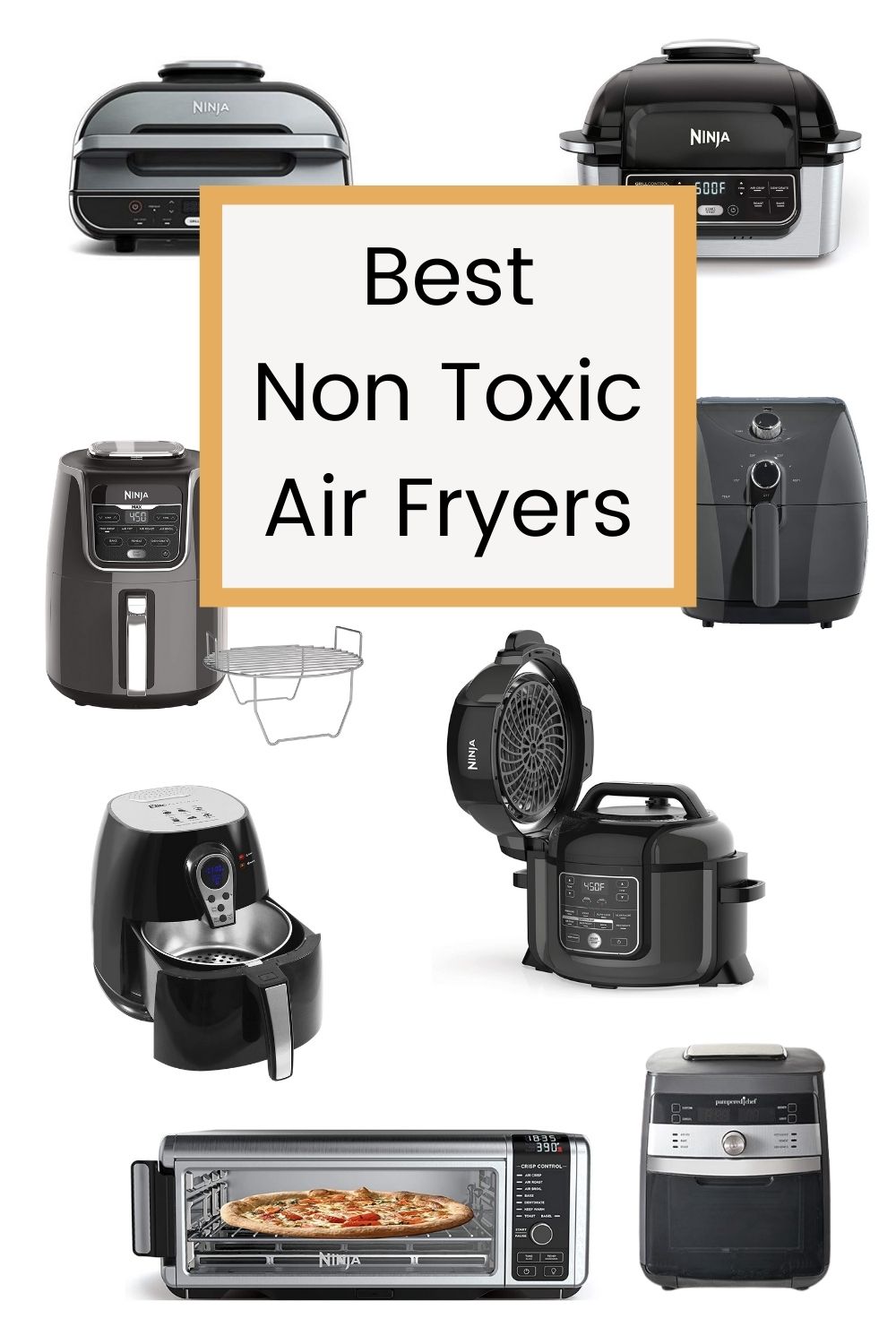
Image Source: jenuinehome.com
Commonality of Teflon (PTFE) in Air Fryers
Many air fryers feature a non-stick surface to prevent food from sticking and make cleaning easier. Often, this non-stick surface is created using coatings like Teflon, which contains PTFE. These coatings are popular because they are effective at preventing food from sticking. The air fryer Teflon coating is found primarily in the basket or cooking tray, the components that come into direct contact with food.
What is Teflon (PTFE)?
PTFE, or Polytetrafluoroethylene, is a synthetic fluoropolymer of tetrafluoroethylene. It’s renowned for its non-stick properties, chemical resistance, and ability to withstand high temperatures. DuPont originally created it, and it’s sold under the brand name Teflon, although other companies produce similar PTFE-based coatings.
Why is PTFE Used in Air Fryers?
- Non-Stick Properties: It prevents food from sticking, which makes cooking and cleaning easier.
- Heat Resistance: It can withstand the high temperatures necessary for air frying.
- Durability: It’s generally durable and can last for a considerable time with proper care.
- Cost-Effective: PTFE coatings are relatively inexpensive, which helps keep the overall price of the air fryer down.
Potential Air Fryer Safety Concerns Associated with Teflon
While Teflon coatings offer convenience, there are air fryer safety concerns, mainly when the coating is overheated or damaged.
PFOA Contamination: A Thing of The Past?
Perfluorooctanoic acid (PFOA) was previously used in the manufacturing of Teflon. PFOA is a persistent environmental pollutant that has been linked to several health problems. However, most Teflon products, including those used in air fryers, have been PFOA free since 2013. Although the risk of PFOA contamination is significantly reduced, older models might still contain traces.
Overheating and Fume Release
When Teflon is heated above 572°F (300°C), it can release fumes that can be harmful. This condition is known as polymer fume fever, or “Teflon flu,” and can cause temporary flu-like symptoms in humans. Birds are particularly susceptible and can die from inhaling these fumes. While air fryers typically don’t reach these temperatures during normal cooking, it’s still something to be aware of, especially if your air fryer malfunctions.
Scratches and Ingestion
If the Teflon coating is scratched or damaged, small particles can flake off and potentially be ingested. While the ingested particles are generally considered inert and pass through the digestive system without being absorbed, there are still potential long-term effects that are not fully understood.
Identifying a Teflon-Free Air Fryer
If you’re concerned about Teflon, you’ll be happy to know there are Teflon-free air fryer options available. When shopping for an air fryer, here’s what to look for:
- Product Descriptions: Check the product description and specifications. Look for terms like “Teflon-free,” “PFOA-free,” “PTFE-free,” or “BPA-free.”
- Material Information: See what materials the cooking basket and tray are made of. Stainless steel and ceramic are common alternatives.
- Certifications: Look for certifications from organizations like NSF International, which test and certify products for safety and performance.
- Manufacturer Website: Go to the manufacturer’s website for detailed product information.
- Customer Reviews: Read customer reviews to see if other users have commented on the coating material and its durability.
Alternative Air Fryer Materials
For those looking to avoid Teflon, several alternative materials offer safe and effective cooking surfaces.
Stainless Steel Air Fryers
Stainless steel air fryers are a popular choice because of their durability and safety.
- Benefits:
- Durable and long-lasting
- Resistant to scratches and corrosion
- Does not leach chemicals into food
- Easy to clean (though food may stick more)
- Drawbacks:
- Food tends to stick more than with non-stick coatings, which might require more oil or effort when cleaning.
- Can be more expensive than Teflon-coated models.
- Considerations:
- Look for high-quality, food-grade stainless steel (e.g., 18/8 or 18/10).
- Consider models with a textured surface to reduce sticking.
Ceramic Air Fryers
Ceramic air fryers offer a non-stick alternative without using PTFE.
- Benefits:
- PTFE and PFOA-free
- Good non-stick properties (though may degrade over time)
- Relatively easy to clean
- Drawbacks:
- Ceramic coatings are prone to chipping and scratching.
- May not be as durable as stainless steel or Teflon coatings.
- Non-stick properties may diminish over time.
- Considerations:
- Handle with care to avoid scratches.
- Avoid using metal utensils that can damage the coating.
- Some ceramic coatings may contain nanoparticles, so research the specific product.
Other Alternatives
- Glass: Some air fryer accessories, like bowls, may be made of glass. Glass is inert and safe for cooking.
- Silicone: Silicone is another option for accessories like baking molds. It’s heat-resistant and non-reactive.
Tips for Healthy Air Frying, Regardless of Coating
Regardless of whether your air fryer has a Teflon coating or an alternative material, here are some tips for healthy air frying:
- Avoid Overheating: Do not preheat your air fryer for longer than necessary and avoid setting it to temperatures higher than recommended.
- Use Oil Sparingly: While air frying generally requires less oil than deep-frying, using a small amount can improve the texture and flavor of your food. Use a spray bottle to apply oil evenly.
- Clean Regularly: Clean your air fryer after each use to prevent food buildup and ensure even cooking.
- Use Appropriate Utensils: Avoid using metal utensils that can scratch the coating. Opt for silicone or wooden utensils.
- Monitor for Damage: Regularly inspect the coating for any signs of damage, such as scratches or flaking. If the coating is significantly damaged, consider replacing the air fryer.
- Choose Whole Foods: Air frying is a healthier alternative to deep-frying, but it’s still important to choose healthy foods. Opt for whole, unprocessed foods over processed snacks.
Care and Maintenance for Your Air Fryer
Proper care and maintenance can extend the life of your air fryer and minimize potential health risks.
- Cleaning Instructions: Follow the manufacturer’s cleaning instructions. Most air fryer baskets and trays are dishwasher-safe, but hand-washing with a non-abrasive sponge is gentler on the coating.
- Avoid Abrasive Cleaners: Do not use abrasive cleaners or scouring pads, as they can damage the coating.
- Soaking: If food is stuck on, soak the basket or tray in warm, soapy water before cleaning.
- Proper Storage: Store your air fryer in a safe place where it won’t be damaged.
- Regular Inspection: Check the coating regularly for signs of wear and tear.
Grasping the Long-Term Effects
While research on the long-term effects of Teflon exposure is ongoing, it’s important to stay informed and take precautions.
- Research Updates: Keep up-to-date with the latest research on the safety of Teflon and alternative coatings.
- Consumer Advocacy: Support consumer advocacy groups that promote product safety and transparency.
- Manufacturer Transparency: Choose manufacturers that are transparent about the materials used in their products.
FAQ Section
Q: What is the ideal temperature to use my air fryer to avoid issues with Teflon?
A: To avoid potential issues with Teflon, keep your air fryer temperature below 500°F (260°C). While Teflon can withstand higher temperatures, staying below this threshold minimizes the risk of fume release and coating degradation.
Q: How do I know if my air fryer has PFOA?
A: Most air fryers manufactured after 2013 are PFOA-free. Check the product description or manufacturer’s website for confirmation. If you have an older model, consider replacing it with a newer, PFOA-free version.
Q: Can I use metal utensils in my Teflon-coated air fryer?
A: It’s best to avoid using metal utensils in a Teflon-coated air fryer, as they can scratch and damage the coating. Use silicone or wooden utensils instead.
Q: Is it safe to use an air fryer with a scratched Teflon coating?
A: If the Teflon coating is significantly scratched or damaged, it’s best to replace the air fryer. Damaged coatings can release particles into your food, and while they are generally considered inert, there may be potential long-term effects that are not fully understood.
Q: Are ceramic air fryers better than Teflon air fryers?
A: Ceramic air fryers are a good alternative if you’re concerned about Teflon. They are PTFE and PFOA-free. However, ceramic coatings may not be as durable as Teflon and can degrade over time.
Q: Can I recycle my air fryer?
A: Air fryers are electronic appliances and should be recycled properly. Check with your local recycling center for e-waste recycling options.
Q: What’s the difference between PTFE and Teflon?
A: PTFE (Polytetrafluoroethylene) is the chemical name for the synthetic polymer. Teflon is a brand name for PTFE, manufactured by Chemours (formerly DuPont). So, Teflon is a specific type of PTFE.
Conclusion
Though Teflon often graces the insides of air fryers, you can navigate its use with savvy and vigilance to keep your kitchen adventures safe. If the thought of Teflon gives you pause, explore a world of Teflon-free champions, like those boasting sleek stainless steel or earthy ceramic interiors – fantastic choices to ease your mind. Armed with the insights shared here, you’re well-equipped to savor guilt-free, healthy air-fried delights, sidestepping any lurking health concerns. Consistently tending to your air fryer with proper operation, meticulous cleaning, and diligent upkeep will guarantee it remains your trusted ally for delicious, safe cooking.

I’m the recipe developer and food photographer behind Air Fryer at Tiffany’s. I’m also a wife, mom to two adventurous little boys, registered nurse, and live in the great Midwest. Join me as I show you new ways to use your air fryer that you never knew possible.