What is a KitchenAid air fryer and how do I use it? A KitchenAid air fryer is a versatile kitchen appliance that uses hot air circulation to cook food, creating a crispy texture similar to deep-fried foods but with significantly less oil. Using it involves preheating, placing food in the basket, setting the time and temperature, and monitoring the cooking process. This guide provides a complete overview of how to use your KitchenAid air fryer effectively.
Image Source: www.kitchenaid.com
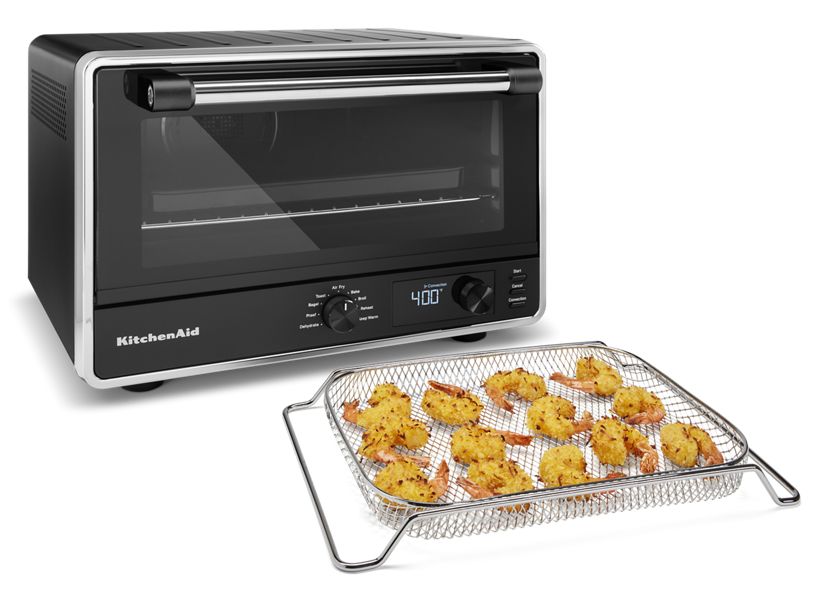
Embracing the KitchenAid Air Fryer
The KitchenAid air fryer is more than just a trendy gadget; it’s a convenient tool for creating healthier and faster meals. This guide will walk you through everything from basic operation to advanced techniques, ensuring you get the most out of your appliance.
Why Choose a KitchenAid Air Fryer?
KitchenAid is a trusted brand known for its quality and durability. The KitchenAid air fryer, whether a standalone model or a KitchenAid countertop oven air fryer, offers several advantages:
- Even Cooking: Convection technology ensures consistent results.
- Versatility: Many models can bake, roast, broil, and toast.
- Ease of Use: Intuitive controls and pre-set programs simplify cooking.
- Healthier Cooking: Reduces the need for added oils.
- Faster Cooking: Cooks food faster than a traditional oven.
Setting Up Your KitchenAid Air Fryer
Before you start cooking, take these steps to prepare your air fryer:
- Unboxing: Remove all packaging materials.
- Cleaning: Wash the basket and any other removable parts with warm, soapy water.
- Placement: Place the air fryer on a stable, heat-resistant surface with enough space around it for ventilation.
- Initial Run: It’s a good idea to run the air fryer empty for about 10 minutes at 400°F (200°C). This helps burn off any manufacturing residue and eliminate odors.
Basic Operation: A Step-by-Step Guide
Follow these steps for basic air frying:
- Preheating: Most KitchenAid air fryer recipes benefit from preheating. Turn on the air fryer and set it to the desired temperature for 3-5 minutes. Some models have a preheat function.
- Food Preparation: Prepare your food by seasoning or marinating it as desired. Lightly coat with oil if needed, but avoid over-oiling.
- Basket Loading: Place the food in the air fryer basket in a single layer. Avoid overcrowding to ensure even cooking. You may need to cook in batches.
- Setting Time and Temperature: Use the KitchenAid air fryer settings to adjust the cooking time and temperature according to your recipe or the food you are cooking. Use a KitchenAid air fryer temperature guide as a reference.
- Cooking: Insert the basket into the air fryer. The timer will start automatically on some models.
- Shaking/Flipping: Halfway through the cooking time, remove the basket and shake or flip the food to ensure even browning.
- Checking for Doneness: Use a food thermometer to ensure the food is cooked to a safe internal temperature.
- Serving: Carefully remove the food and serve immediately.
KitchenAid Air Fryer Settings Explained
Your KitchenAid air fryer might have different settings depending on the model. Here’s a rundown of common settings:
- Air Fry: The primary function for crispy, fried-like results.
- Bake: For baking cakes, muffins, and other baked goods.
- Roast: Ideal for roasting meats and vegetables.
- Broil: For browning the tops of dishes.
- Toast: (On countertop models) For toasting bread and bagels.
- Keep Warm: To keep food warm after cooking.
- Preheat: Heats the air fryer to the set temperature before cooking.
Refer to your user manual for specific settings and their recommended uses.
Mastering Cooking Times and Temperatures
Achieving perfect results requires the right KitchenAid air fryer cooking times and temperatures. Use the following as a general guideline, but always refer to your specific recipe:
| Food | Temperature (°F/°C) | Time (Minutes) | Notes |
|---|---|---|---|
| Frozen French Fries | 400°F / 200°C | 12-15 | Shake halfway through |
| Chicken Wings | 380°F / 190°C | 20-25 | Flip halfway through |
| Steak | 400°F / 200°C | 8-12 | Adjust based on thickness and desired doneness. Flip halfway through. |
| Salmon | 375°F / 190°C | 8-10 | Skin side down first |
| Roasted Vegetables (Broccoli, Carrots) | 390°F / 200°C | 10-15 | Toss with oil and seasoning |
| Cookies | 325°F / 160°C | 8-10 | Watch carefully to avoid burning |
Note: These times are estimates and may vary based on the specific air fryer model, food thickness, and desired level of crispiness. Always check for doneness with a food thermometer.
Delicious KitchenAid Air Fryer Recipes to Try
The possibilities are endless with a KitchenAid air fryer. Here are a few popular KitchenAid air fryer recipes to get you started:
- Crispy Chicken Wings: Marinate chicken wings in your favorite sauce and air fry until golden brown and crispy.
- Homemade French Fries: Cut potatoes into fries, toss with oil and seasoning, and air fry for a healthier alternative to deep-fried fries.
- Roasted Vegetables: Roast broccoli, carrots, Brussels sprouts, and other vegetables for a quick and healthy side dish.
- Salmon with Lemon and Herbs: Air fry salmon fillets with lemon slices and fresh herbs for a flavorful and nutritious meal.
- Air Fryer Donuts: Use store bought biscuits to make quick and easy donuts
Getting Creative: Adapting Your Favorite Recipes
One of the best things about air frying is that you can adapt many of your favorite recipes. Simply adjust the cooking time and temperature to suit the air fryer. A good starting point is to reduce the oven temperature by 25°F (15°C) and the cooking time by 20%. Keep a close eye on the food and adjust as needed.
Accessorizing Your KitchenAid Air Fryer
Enhance your air frying experience with these KitchenAid air fryer accessories:
- Parchment Paper Liners: Prevent food from sticking and make cleanup easier.
- Silicone Tipped Tongs: Ideal for flipping and removing food without scratching the basket.
- Ramekins: For baking individual desserts or cooking small portions.
- Skewers: For making kebabs and grilled skewers.
- Pizza Pan: Some KitchenAid air fryer convection oven models will fit smaller pans for personal-sized pizzas
Check your air fryer model’s compatibility before buying accessories.
Cleaning Your KitchenAid Air Fryer
Regular cleaning is crucial for maintaining your air fryer’s performance and longevity. Here’s how to clean your KitchenAid air fryer effectively:
- Unplug and Cool: Always unplug the air fryer and allow it to cool completely before cleaning.
- Remove Basket and Pan: Take out the basket and any other removable parts.
- Wash: Wash the basket and pan with warm, soapy water. Use a non-abrasive sponge to avoid scratching the surface. For stubborn food residue, soak the parts in hot, soapy water for about 10-15 minutes.
- Clean the Interior: Wipe down the interior of the air fryer with a damp cloth. Avoid getting water inside the unit.
- Clean the Exterior: Wipe the exterior with a damp cloth.
- Dry Thoroughly: Ensure all parts are completely dry before reassembling.
- Reassemble: Put the basket and pan back into the air fryer.
- Deep Cleaning: For deep cleaning, you can use a paste of baking soda and water to scrub away stubborn stains and grease.
Tips for Preventing Food from Sticking
- Use Oil Sparingly: Lightly coat the basket or food with oil to prevent sticking.
- Parchment Paper Liners: Line the basket with parchment paper.
- Non-Stick Spray: Use a non-stick cooking spray.
Fathoming Common Issues: Troubleshooting Your KitchenAid Air Fryer
Even with proper use, you might encounter some issues. Here’s how to troubleshoot your KitchenAid air fryer:
| Problem | Possible Cause | Solution |
|---|---|---|
| Food is not cooking evenly | Overcrowded basket | Cook in smaller batches. |
| Food is not crispy | Too much moisture | Pat food dry before cooking. Don’t overcrowd the basket. Increase cooking time slightly. |
| Food is burning | Temperature too high/Cooking time too long | Reduce temperature and cooking time. Check food regularly. |
| Smoke is coming from air fryer | Too much oil/Food is dripping fat | Use less oil. Ensure the basket is clean. |
| Air fryer is not turning on | Not plugged in/Power issue | Check the power cord and outlet. Ensure the air fryer is properly assembled. |
| Error codes displayed | Refer to the user manual | Consult the manual for specific error code troubleshooting steps. |
| Burnt Smell | Manufacturing residue | Run the air fryer empty for a few minutes at high temperature to burn off any lingering smells. |
If you can’t resolve the issue, contact KitchenAid customer support for assistance.
Deciphering the Best Foods to Cook in Your KitchenAid Air Fryer
The KitchenAid air fryer is incredibly versatile, but some foods excel more than others. Here are some of the best foods to cook in KitchenAid air fryer:
- Frozen Foods: French fries, chicken nuggets, mozzarella sticks.
- Meats: Chicken wings, steak, pork chops, salmon.
- Vegetables: Broccoli, Brussels sprouts, carrots, potatoes.
- Baked Goods: Cookies, muffins, cakes (smaller portions).
- Snacks: Popcorn, chips, homemade crackers.
Experiment with different foods and recipes to discover your favorites.
Differentiating the KitchenAid Air Fryer Convection Oven
The KitchenAid air fryer convection oven combines the features of an air fryer and a convection oven. This multi-functional appliance offers additional benefits:
- Larger Capacity: Cooks larger batches of food compared to a standard air fryer.
- Multiple Cooking Functions: Offers a wider range of cooking options, including baking, roasting, toasting, and broiling.
- Even Heat Distribution: Convection technology ensures even cooking throughout the oven.
- Versatile: Can be used for a variety of cooking tasks, from baking a cake to roasting a whole chicken.
If you have the KitchenAid countertop oven air fryer, consider adapting baking recipes to take full advantage of the convection oven’s ability to cook evenly.
Frequently Asked Questions (FAQ)
Q: Can I use aluminum foil in my KitchenAid air fryer?
A: Yes, you can use aluminum foil, but make sure it doesn’t block airflow. Place it under the food, but don’t cover the entire basket.
Q: What is the benefit of preheating my KitchenAid air fryer?
A: Preheating ensures that the air fryer is at the correct temperature when you start cooking, resulting in more even cooking and crispier results.
Q: Can I cook raw chicken in my KitchenAid air fryer?
A: Yes, you can cook raw chicken. Use a meat thermometer to ensure it reaches an internal temperature of 165°F (74°C) for safety.
Q: How often should I clean my KitchenAid air fryer?
A: Clean the basket and pan after each use. Deep clean the entire air fryer every few weeks, depending on usage.
Q: What temperature should I use for cooking frozen foods?
A: Follow the package instructions for temperature and time. Generally, 400°F (200°C) is a good starting point for most frozen foods.
Q: Why is my food not getting crispy?
A: Make sure you are not overcrowding the basket and that you are flipping or shaking the food halfway through cooking. You may also need to increase the cooking time or temperature slightly.
Your air fryer’s producing smoke? It’s time to pause your culinary creation and investigate. Give the basket and drip pan a good scrub to remove any lingering oil or food bits. Next time, try a lighter hand with the oil, as a little often goes a long way.
By following this guide, you’ll be well-equipped to use your KitchenAid air fryer with confidence and create delicious, healthy meals. Happy cooking!

I’m the recipe developer and food photographer behind Air Fryer at Tiffany’s. I’m also a wife, mom to two adventurous little boys, registered nurse, and live in the great Midwest. Join me as I show you new ways to use your air fryer that you never knew possible.