Can an air fryer work as a microwave? Yes, an air fryer can often work as a microwave alternative, especially for reheating food. However, while both appliances heat food, they do so using different methods, resulting in varying outcomes in terms of speed, texture, and overall suitability for specific tasks. This comprehensive guide dives deep into the air fryer vs microwave debate to help you decide which appliance is best for your needs.
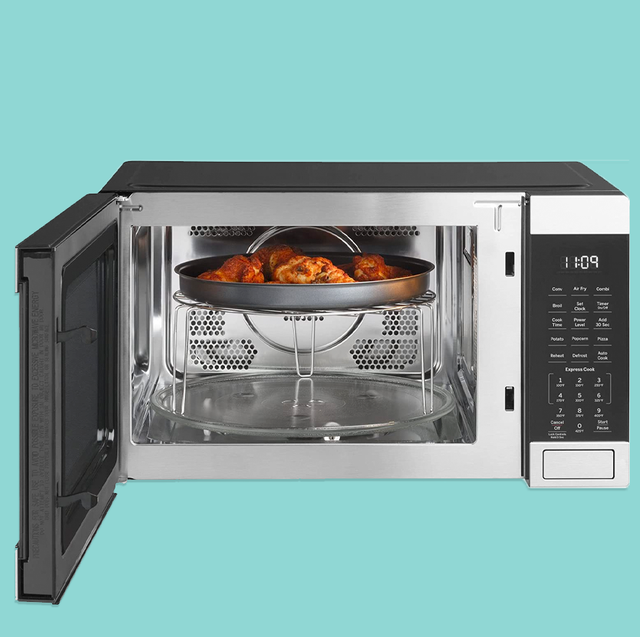
Image Source: hips.hearstapps.com
What is an Air Fryer?
An air fryer is a countertop convection oven. It uses a heating element and a powerful fan to circulate hot air around the food, cooking it quickly and evenly. This rapid air circulation creates a crispy exterior similar to deep-frying, but with significantly less oil.
What is a Microwave?
A microwave oven uses microwave radiation to heat food. These waves excite the water molecules within the food, causing them to vibrate and generate heat. Microwaves are known for their speed and convenience, making them ideal for reheating and quickly cooking certain foods.
Air Fryer vs Microwave: A Detailed Comparison
To truly understand if an air fryer can replace a microwave oven, we need to compare their functionality across several key areas.
Heating Method
- Air Fryer: Convection heating (hot air circulation).
- Microwave: Microwave radiation (excites water molecules).
This difference in heating methods leads to significant variations in the final product.
Cooking Speed
- Microwave: Generally faster for reheating and cooking small portions.
- Air Fryer: Slower than a microwave, especially for simple reheating tasks. However, it cooks more evenly and can produce crispier results.
Food Texture
- Microwave: Can make food soggy, especially items with a crust.
- Air Fryer: Produces crispy exteriors and often retains moisture inside. Ideal for foods you want to be crunchy.
Versatility
- Microwave: Primarily for reheating, defrosting, and cooking simple dishes.
- Air Fryer: More versatile; can bake, roast, grill, and fry. Great for cooking full meals, not just reheating.
Energy Efficiency
- Microwave: Generally more energy-efficient for quick tasks.
- Air Fryer: Can be more energy-efficient for cooking larger portions compared to a full-sized oven.
Ease of Use
- Microwave: Very simple; often just involves setting a timer.
- Air Fryer: Requires more attention; may need preheating and shaking food for even cooking.
Cleaning
- Microwave: Easy to clean; wipe down the interior.
- Air Fryer: Requires cleaning the basket and sometimes the interior; some parts are dishwasher-safe.
Safety
- Microwave: Generally safe when used correctly; avoid using metal containers.
- Air Fryer: Can get very hot; handle with care.
Nutritional Value
- Microwave: Minimal impact on nutritional value for short cooking times.
- Air Fryer: Can help reduce fat content by eliminating the need for excessive oil.
A Quick Look:
| Feature | Air Fryer | Microwave |
|---|---|---|
| Heating Method | Convection (Hot Air) | Microwave Radiation |
| Speed | Slower | Faster |
| Texture | Crispy | Can be Soggy |
| Versatility | High | Low |
| Energy Use | Moderate | Low for short times, High for long times |
| Ease of Use | Moderate | High |
| Cleaning | Moderate | Easy |
When to Use an Air Fryer as a Microwave Substitute
The air fryer microwave substitute question boils down to understanding when the air fryer excels. Consider using an air fryer instead of a microwave for these scenarios:
- Reheating Crispy Foods: Pizza, fried chicken, french fries, and other foods that become soggy in the microwave. The air fryer will restore their original texture. This is a major advantage of the air fryer for air fryer reheat food.
- Cooking Frozen Foods: Air fryers excel at cooking frozen snacks like mozzarella sticks, chicken nuggets, and spring rolls.
- Roasting Vegetables: Air fryers quickly roast vegetables, giving them a slightly charred and crispy texture.
- Baking Small Items: Air fryers can bake cookies, muffins, and small cakes.
- Cooking Meat: Air fryers are great for cooking smaller portions of meat like chicken breasts, burgers, and sausages.
When to Stick with a Microwave
Despite the air fryer’s versatility, there are times when a microwave is the better choice:
- Reheating Liquids: Microwaves are ideal for heating soups, coffee, and other beverages.
- Steaming Vegetables: Microwaves are quick and easy for steaming vegetables.
- Defrosting: Microwaves have a defrost setting that thaws food quickly.
- Cooking Single Servings Quickly: For tasks where speed is paramount and texture is not critical.
- Melting Butter or Chocolate: Microwaves are perfect for these quick tasks.
Air Fryer for Leftovers
The air fryer for leftovers is a significant benefit. It breathes new life into foods that would otherwise be unappetizing after microwaving. Think crispy pizza slices, crunchy spring rolls, and juicy chicken wings. The air fryer is superior for reheating these types of leftovers.
The Air Fryer Microwave Comparison: Deep Dive
Let’s explore a more in-depth air fryer microwave comparison, looking at specific use cases.
Reheating Pizza
- Microwave: Pizza becomes soggy and the crust loses its crispness.
- Air Fryer: Pizza regains its crispness, and the cheese melts beautifully.
Verdict: Air fryer wins.
Reheating Fried Chicken
- Microwave: Chicken skin becomes rubbery.
- Air Fryer: Chicken skin becomes crispy again, almost like it was freshly fried.
Verdict: Air fryer wins.
Reheating Soups and Liquids
- Microwave: Fast and easy.
- Air Fryer: Not suitable.
Verdict: Microwave wins.
Cooking Frozen French Fries
- Microwave: Fries become limp and soggy.
- Air Fryer: Fries become crispy and golden brown.
Verdict: Air fryer wins.
Baking a Potato
- Microwave: Potato cooks quickly but can be slightly mushy.
- Air Fryer: Potato takes longer but has a crispy skin and fluffy interior.
Verdict: Air fryer wins for texture; microwave wins for speed.
Is an Air Fryer a Good Microwave Alternative?
The air fryer microwave alternative question has a nuanced answer. While an air fryer can perform many of the same functions as a microwave, it’s not a direct replacement. It excels in areas where the microwave falls short, particularly in achieving crispy textures. However, it’s less convenient for tasks like reheating liquids or quick defrosting.
Can Air Fryer Replace Microwave Oven?
The ultimate question is: can air fryer replace microwave oven? For some people, the answer is yes. If you prioritize crispy textures and are willing to sacrifice some speed, an air fryer can handle many of your cooking and reheating needs. If you frequently reheat liquids, defrost food quickly, or need something super fast, you’ll likely still want a microwave.
A smaller kitchen with limited counter space might lead you to choose an air fryer to minimize appliances if crispy results are more important to you.
Are There Air Fryer Microwave Combo Units?
Yes, air fryer microwave combo units exist. These appliances combine the functionality of both an air fryer and a microwave, offering the best of both worlds. They can be more expensive than individual units, but they save space and offer greater versatility. These are also called air fryer convection microwave ovens.
Benefits of a Combo Unit:
- Space-saving
- Versatility (air frying, microwaving, baking, roasting)
- Convenience (one appliance for multiple tasks)
Drawbacks of a Combo Unit:
- Higher cost
- May not perform either function as well as dedicated appliances
- Can be larger and heavier
Air Fryer Microwave Functionality: Expanding Your Culinary Options
Both air fryers and microwaves offer unique functionalities that can expand your culinary options. The key is to understand their strengths and weaknesses and use them accordingly.
Conclusion: Choosing the Right Appliance
The decision of whether an air fryer can replace a microwave depends on your individual needs and preferences. If you value speed and convenience above all else, a microwave is still the best choice. However, if you prioritize crispy textures, versatility, and healthier cooking options, an air fryer is an excellent investment and can often serve as a suitable air fryer microwave alternative. Or, consider an air fryer microwave combo for the best of both worlds.
Frequently Asked Questions (FAQ)
Q: Can I put metal in an air fryer?
A: Yes, you can put metal in an air fryer as long as it’s oven-safe. Avoid using aluminum foil, as it can block airflow.
Q: How do I clean my air fryer?
A: Most air fryer baskets are dishwasher-safe. For the main unit, wipe it down with a damp cloth.
Q: Can I cook raw meat in an air fryer?
A: Yes, you can cook raw meat in an air fryer. Make sure to use a meat thermometer to ensure it reaches a safe internal temperature.
Q: Is air frying healthier than microwaving?
A: The health benefits stem more from reduced oil use than the air frying process itself. Microwaving is generally considered a healthy cooking method as well, as it retains nutrients.
Q: What foods should I not cook in an air fryer?
A: Avoid cooking foods with wet batter, as it will drip and make a mess. Also, be cautious with lightweight items that can blow around in the air fryer.
When it comes to cooking smaller meals, your air fryer often beats out a conventional oven in saving electricity. For those quick snacks and reheating jobs, a microwave still reigns supreme in energy conservation.
Q: What are the best uses of an air fryer?
A: The best uses of an air fryer include crisping frozen foods, roasting vegetables, and reheating fried items.
Q: How does an air fryer differ from a convection oven?
A: An air fryer is essentially a smaller, more powerful convection oven. It circulates air more rapidly, resulting in faster cooking times and crispier results.

I’m the recipe developer and food photographer behind Air Fryer at Tiffany’s. I’m also a wife, mom to two adventurous little boys, registered nurse, and live in the great Midwest. Join me as I show you new ways to use your air fryer that you never knew possible.