What is better, a microwave or an air fryer? It depends on what you want to cook and what’s important to you. Microwaves are best for fast cooking and reheating, while air fryers excel at making food crispy. This article provides a detailed air fryer vs microwave comparison to help you decide which appliance is right for your kitchen.
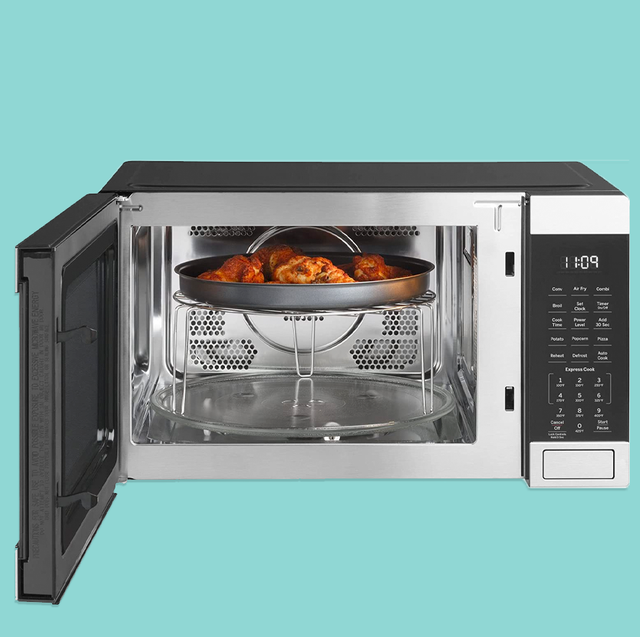
Image Source: hips.hearstapps.com
Air Fryer vs Microwave: A Deep Dive
Both microwaves and air fryers have become kitchen staples, promising convenience and quicker cooking times. But their functionalities differ significantly. This air fryer vs microwave comparison will break down their pros and cons, helping you make an informed choice.
Microwave Cooking Advantages
Microwaves use electromagnetic radiation to heat food. Here’s a look at their advantages:
Speed and Efficiency: Microwave for Fast Cooking
The microwave’s primary strength is its speed. It can reheat leftovers, cook frozen meals, and even steam vegetables in a fraction of the time it takes in a conventional oven or on the stovetop.
Reheating Champion: Air Fryer or Microwave for Reheating?
For reheating, especially liquids and foods that don’t need to be crispy, the microwave is often the better choice. It quickly brings food back to a safe eating temperature.
Simplicity and Ease of Use
Microwaves are incredibly simple to operate. Most models have intuitive controls and pre-set cooking programs for common tasks.
Microwave Energy Efficiency
Generally, microwaves consume less energy than air fryers, especially for short cooking times.
Space Saving
Microwaves are often smaller than air fryers, making them a good choice for small kitchens or limited counter space.
Cost-Effective
Microwaves are usually more affordable than air fryers.
Advantages of Microwaves Summarized:
- Faster cooking and reheating times
- Simpler to use
- Lower initial cost
- Generally more energy-efficient for short cooking times
- Good for reheating liquids and non-crispy foods
- Smaller footprint
Air Fryer Benefits Over Microwave
Air fryers use hot air circulation to cook food, mimicking the effects of deep frying without the need for excessive oil. Here’s a look at their advantages:
Air Fryer for Crispy Food
The air fryer’s standout feature is its ability to create crispy exteriors. It excels at cooking foods like french fries, chicken wings, and vegetables to a satisfying crunch.
Healthier Cooking
Because air fryers use significantly less oil than traditional frying methods, they can reduce the fat content of your meals. This is a major plus for health-conscious individuals.
Versatility
Air fryers can be used for a wide range of cooking tasks, from baking cookies to roasting vegetables and even cooking small meats.
Even Cooking
The circulating hot air ensures that food cooks evenly on all sides, preventing hot spots and undercooked areas.
Flavor Enhancement
The air frying process can intensify the flavors of food, creating a more enjoyable eating experience.
Air Fryer Oven vs Microwave
Air fryer ovens are larger than standard air fryers and offer even more versatility. They can often replace a conventional oven for smaller cooking tasks. Compared to a microwave, an air fryer oven provides superior browning and crisping capabilities.
Advantages of Air Fryers Summarized:
- Creates crispy exteriors
- Requires less oil for cooking
- Versatile cooking options
- Even cooking results
- Enhances food flavors
- Air fryer ovens can replace conventional ovens for some tasks
Is Air Frying Healthier Than Microwaving?
The question of whether is air frying healthier than microwaving is complex. Air frying uses less oil than traditional frying, potentially reducing fat intake. Microwaving doesn’t inherently add fat, but some microwave meals may be high in sodium or unhealthy additives.
- Nutrient Retention: Microwaving can preserve certain nutrients because of the short cooking time. However, high temperatures can also destroy some nutrients. Air frying, while generally using lower temperatures than deep frying, can still lead to some nutrient loss.
- Fat Content: Air frying significantly reduces the fat content of fried foods compared to deep frying. Microwaving does not add fat.
- Added Ingredients: The healthfulness often depends on the food itself. Microwaving a pre-packaged meal might be less healthy than air frying homemade vegetables with minimal oil.
Microwave vs Air Fryer Comparison: A Detailed Table
| Feature | Microwave | Air Fryer |
|---|---|---|
| Cooking Method | Electromagnetic radiation | Hot air circulation |
| Primary Use | Fast cooking, reheating, defrosting | Crisping, roasting, baking, frying with less oil |
| Cooking Time | Very fast | Moderate |
| Food Texture | Can make food soggy if not careful | Crispy exterior, moist interior |
| Oil Usage | None | Minimal |
| Health Benefits | May preserve some nutrients due to short time | Lower fat content compared to deep frying |
| Energy Consumption | Generally lower for short cooking times | Can be higher, especially for longer cooking times |
| Ease of Use | Very easy | Easy, but may require some experimentation |
| Versatility | Limited | High |
| Price | Lower | Higher |
| Space | Smaller footprint | Larger footprint |
Air Fryer vs Microwave Energy Consumption
Comparing air fryer vs microwave energy consumption depends on usage patterns. Microwaves generally use less energy for short cooking times, like reheating a single serving. Air fryers, especially larger models, can consume more energy, particularly when cooking for longer durations. However, an air fryer might still be more energy-efficient than heating a conventional oven for a small batch of food.
- Microwave: Uses energy in bursts, primarily for short durations.
- Air Fryer: Uses energy consistently throughout the cooking process, potentially leading to higher consumption for longer cooking times.
- Consideration: Choose based on typical cooking needs. For quick reheating, a microwave is more efficient. For longer cooking or crisping, an air fryer may be justifiable despite higher consumption.
Deciphering What To Cook
Here’s a guide on what foods are best suited for each appliance:
Best for Microwaves:
- Reheating leftovers (soups, stews, casseroles)
- Steaming vegetables
- Melting butter or chocolate
- Popping popcorn
- Heating beverages (coffee, tea)
- Cooking instant noodles or rice
Best for Air Fryers:
- French fries and other potato-based snacks
- Chicken wings and other poultry
- Vegetables (roasted or crispy)
- Frozen snacks (egg rolls, pizza rolls)
- Baked goods (cookies, cakes, muffins)
- Small cuts of meat (steak, pork chops)
- Fish
Fathoming The Right Choice For You
Choosing between a microwave and an air fryer involves considering your cooking habits, dietary preferences, and kitchen space.
- If you prioritize speed and convenience for reheating and quick meals, a microwave is the better choice.
- If you value crispy textures and healthier cooking options, an air fryer is the more suitable appliance.
- If space and budget allow, owning both appliances can provide the best of both worlds.
Interpreting Maintenance and Cleaning
Both appliances require regular cleaning to maintain optimal performance and hygiene.
- Microwave: Cleaning typically involves wiping down the interior with a damp cloth or sponge. You can also steam clean it by heating a bowl of water with lemon juice or vinegar.
- Air Fryer: Cleaning involves removing the basket and pan and washing them with soap and water. Some models have dishwasher-safe parts. It’s important to clean the heating element regularly to prevent smoke and odors.
Common Concerns
- Safety: Both appliances are generally safe to use if operated according to manufacturer instructions. However, it’s important to use microwave-safe containers in the microwave and avoid overcrowding the air fryer basket.
- Cooking Time Adjustments: Cooking times may vary depending on the specific appliance and the type of food being cooked. Experimentation is key to achieving optimal results.
- Noise Level: Air fryers can be noisier than microwaves due to the fan that circulates hot air.
Frequently Asked Questions (FAQ)
Q: Can I bake in an air fryer?
A: Yes, you can bake in an air fryer. Air fryers can bake cookies, cakes, muffins, and other small baked goods.
Q: Can I put aluminum foil in an air fryer?
A: Yes, you can use aluminum foil in an air fryer, but make sure it doesn’t block the airflow. It’s best to use perforated foil or parchment paper designed for air fryers.
Q: Can I microwave paper plates?
A: It’s generally safe to microwave paper plates for short periods. However, avoid microwaving them for extended durations or with greasy foods, as they may become soggy or even catch fire.
Q: Are air fryers worth it?
A: If you enjoy crispy foods and want a healthier alternative to deep frying, an air fryer is definitely worth it.
Q: Is it okay to use aluminum foil in the microwave?
A: No, it’s not safe to use aluminum foil in the microwave. It can cause sparks and potentially damage the appliance or start a fire.
Q: What are the downsides of air fryers?
A: Downsides include the need for more space, higher energy consumption than microwaves for shorter cooking times, and the potential for food to dry out if not cooked properly.
Q: Which is better for frozen foods, air fryer or microwave?
For that satisfying crunch on frozen favorites like fries and nuggets, an air fryer reigns supreme. But when speed is of the essence and crispiness isn’t the goal, like with pre-made meals you just need to thaw or warm through, your microwave takes the win.

I’m the recipe developer and food photographer behind Air Fryer at Tiffany’s. I’m also a wife, mom to two adventurous little boys, registered nurse, and live in the great Midwest. Join me as I show you new ways to use your air fryer that you never knew possible.