Is an air fryer healthy? Yes, air fryers can be a healthier alternative to deep frying because they use significantly less oil, leading to lower fat content in food. However, factors like cooking temperature, food preparation, and overall diet still play crucial roles in determining the healthfulness of your meals. Let’s dive into the benefits and risks of air frying to help you make informed choices.
Image Source: assets.clevelandclinic.org
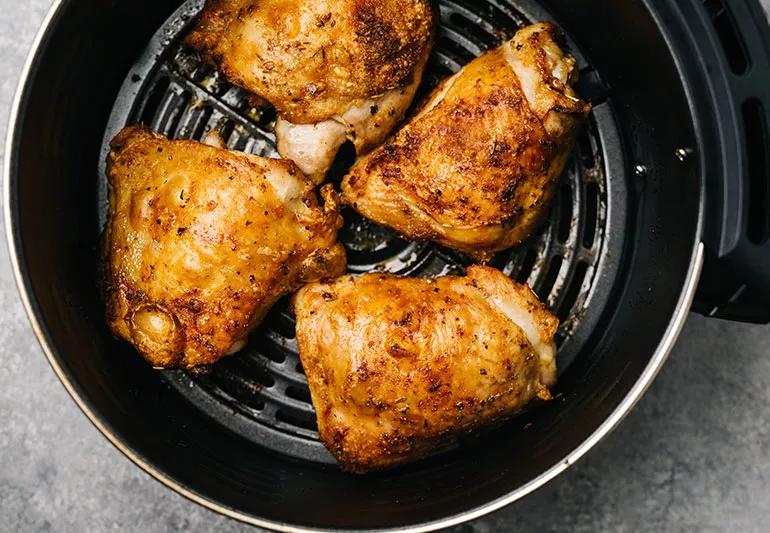
The Appeal of Air Frying
Air fryers have become a kitchen staple for many households, promising crispy, delicious food without the guilt associated with traditional deep frying. These appliances use hot air circulation to cook food, mimicking the effects of deep frying with a fraction of the oil. But is this cooking method truly as healthy as it’s often portrayed?
Air Fryer Health Benefits: The Upsides
Air fryers offer several potential health advantages compared to traditional deep frying methods.
Reduced Fat Intake
The most significant air fryer health benefit is the drastic reduction in fat consumption. Air frying requires minimal oil, sometimes none at all, compared to deep frying, which submerges food in oil. This lower fat content can have a positive impact on your overall health.
- Lower Calorie Count: Less oil means fewer calories. Reducing your calorie intake can aid in weight management and reduce the risk of obesity-related health problems.
- Better for Heart Health: Deep-fried foods are often high in saturated and trans fats, which can raise LDL (“bad”) cholesterol levels and increase the risk of heart disease. Air frying significantly reduces the intake of these unhealthy fats.
- Air fryer weight loss: By reducing fat and calories, substituting air-fried foods for deep-fried alternatives can contribute to weight loss or weight maintenance when part of a balanced diet.
Decreased Acrylamide Formation
Acrylamide is a harmful chemical that can form in starchy foods when they are cooked at high temperatures, such as during frying, baking, or roasting. Studies suggest that air frying may reduce acrylamide formation compared to deep frying.
- How it works: The rapid circulation of hot air in an air fryer cooks food more evenly and quickly, potentially reducing the time that food is exposed to high temperatures, thus minimizing acrylamide formation.
Versatility in Cooking
Air fryers are not just for frying! They can be used to cook a wide variety of foods, from vegetables and meats to baked goods. This versatility encourages healthier cooking choices.
- Healthy air fryer recipes: You can easily find or adapt recipes to create healthy, air-fried meals. Think roasted vegetables, baked chicken breasts, or even homemade sweet potato fries with minimal oil.
Easier to Clean
Air fryers are generally easier to clean than deep fryers, which can be messy and time-consuming to maintain. This convenience can make it more appealing to cook at home, allowing for greater control over ingredients and portion sizes.
Risks of Air Frying: Potential Downsides
Despite the advantages, it’s important to be aware of the potential risks associated with air frying.
Nutrient Loss
High-heat cooking methods, including air frying, can potentially reduce the nutrient content of some foods, especially vitamins that are sensitive to heat.
- Mitigating nutrient loss: Cook food for the shortest time possible, avoid excessive temperatures, and use minimal oil to preserve nutrients.
Potential for Overcooking
Air fryers cook food quickly, which can lead to overcooking if you’re not careful. Overcooked food can be dry, less palatable, and may contain fewer nutrients.
- Avoiding overcooking: Monitor your food closely, use a meat thermometer to ensure proper doneness, and adjust cooking times as needed.
Not a Solution for All Foods
While air fryers excel at cooking certain foods, they may not be the best choice for everything. For example, foods with wet batters can be problematic as they may not crisp up properly.
- Choosing the right foods: Stick to foods that are naturally crispy or can be lightly coated with oil or breadcrumbs.
Still Requires a Healthy Diet
While air frying can reduce fat intake, it doesn’t automatically make your diet healthy. It’s important to focus on overall dietary patterns, including plenty of fruits, vegetables, whole grains, and lean protein sources.
Air Frying vs Deep Frying: A Detailed Comparison
Here’s a table comparing air frying and deep frying to highlight the key differences:
| Feature | Air Frying | Deep Frying |
|---|---|---|
| Oil Usage | Minimal to no oil | Requires submerging food in oil |
| Fat Content | Significantly lower | Significantly higher |
| Calorie Count | Lower | Higher |
| Acrylamide | Generally lower | Potentially higher |
| Cooking Speed | Fast | Fast |
| Cleanliness | Easier to clean | More difficult to clean |
| Heart Health | Better for heart health | Worse for heart health |
| Nutrient Retention | Moderate | Moderate |
| Versatility | High; can cook a variety of foods | Limited; best for fried foods |
Air Fryer vs Oven: Healthy Choices?
Both air fryers and ovens are considered healthier alternatives to deep frying because they generally require less oil. Here’s a quick comparison:
| Feature | Air Fryer | Oven |
|---|---|---|
| Cooking Speed | Faster | Slower |
| Crispiness | Can achieve greater crispiness in some foods | Can achieve crispiness but may require more oil |
| Energy Efficiency | More energy-efficient for smaller portions | Less energy-efficient for smaller portions |
| Capacity | Smaller capacity | Larger capacity |
| Versatility | High | High |
| Even Cooking | Generally even | Can have hot spots |
The better choice between an air fryer vs oven healthy options depends on your specific needs and cooking habits. Air fryers are ideal for smaller portions and achieving crispiness, while ovens are better for larger batches and baking.
Incorporating Air Frying into a Healthy Lifestyle
Here are some tips for using your air fryer as part of a healthy eating plan:
- Choose Healthy Oils: When using oil, opt for healthier options like olive oil, avocado oil, or coconut oil.
- Control Portion Sizes: Air frying doesn’t automatically make food healthy, so be mindful of portion sizes.
- Prioritize Whole Foods: Use your air fryer to cook nutritious foods like vegetables, lean proteins, and whole grains.
- Experiment with Seasonings: Enhance the flavor of your air-fried foods with herbs, spices, and other seasonings to reduce the need for excessive oil or salt.
- Don’t Rely on It Exclusively: Vary your cooking methods to ensure a balanced diet and to get a variety of nutrients.
- Lower fat cooking: Embrace the air fryer as a tool for lower fat cooking. Use it to experiment with alternatives to your favorite fried foods.
- Air fryer nutrition facts: Be aware that while air frying is healthier than deep frying, the nutrition facts depend heavily on what food you are cooking.
Fathoming the Role of Air Frying in Weight Management
Air fryers can be a valuable tool for weight management, mainly due to their ability to reduce fat and calorie intake.
- Reducing Fat Intake: By using significantly less oil than traditional frying methods, air fryers cut down on the overall fat content of your meals. This reduction can contribute to a lower calorie intake, which is essential for weight loss.
- Healthier Alternatives: Air frying enables you to enjoy versions of your favorite fried foods with a fraction of the guilt. Swapping deep-fried French fries for air-fried sweet potato fries, for example, can be a simple yet effective way to reduce your calorie consumption.
- Portion Control: The compactness of many air fryers encourages portion control, as they are typically designed to cook smaller batches of food. This feature helps you to be more mindful of the amount of food you are consuming.
- Promoting Home Cooking: Air fryers often make cooking more convenient and approachable. This increased ease can lead to more home-cooked meals, allowing for greater control over ingredients and portion sizes, which is beneficial for weight management.
Frequently Asked Questions (FAQ)
- Is air-fried food healthy? Air-fried food can be healthier than deep-fried food because it uses less oil, leading to lower fat and calorie content. However, it’s important to focus on the overall quality of the food being cooked and the cooking temperature.
- Can I use any type of oil in an air fryer? It’s best to use oils with a high smoke point, such as avocado oil, coconut oil, or olive oil.
- How often can I eat air-fried food? As with any food, moderation is key. Enjoy air-fried foods as part of a balanced diet that includes plenty of fruits, vegetables, whole grains, and lean proteins.
- Are air fryers safe to use? Yes, air fryers are generally safe to use as long as you follow the manufacturer’s instructions and take basic safety precautions, such as avoiding overcrowding and using proper ventilation.
- What is the best air fryer for healthy cooking? The best air fryer for healthy cooking depends on your personal preferences and needs. Look for models with adjustable temperature settings, non-stick surfaces, and convenient features like preset cooking programs.
The Final Verdict
Embrace the air fryer as your culinary ally in the pursuit of a healthier lifestyle, effortlessly slashing fat and unlocking a world of crisp, delightful meals. Yet, don’t mistake its brilliance for a shortcut to perfect health; the true magic lies in the ingredients you choose. Nourish yourself with whole, vibrant foods, mindful of your portions, and woven into a tapestry of balanced eating. By thoughtfully considering its advantages and potential pitfalls, you can savor that irresistible crunch guilt-free, remembering that the health halo of your air-fried creations ultimately depends on the wholesome foods you select.

I’m the recipe developer and food photographer behind Air Fryer at Tiffany’s. I’m also a wife, mom to two adventurous little boys, registered nurse, and live in the great Midwest. Join me as I show you new ways to use your air fryer that you never knew possible.