The answer to the question, “When did air fryers become popular?” isn’t as simple as a single date. While air fryers were first introduced in 2010, their air fryer popularity timeline really took off in the mid-2010s and has been skyrocketing ever since. This blog post will explore the history of air fryers, tracing their journey from a niche kitchen gadget to a must-have appliance, investigating the factors influencing air fryer popularity, and providing data on the air fryer market growth.
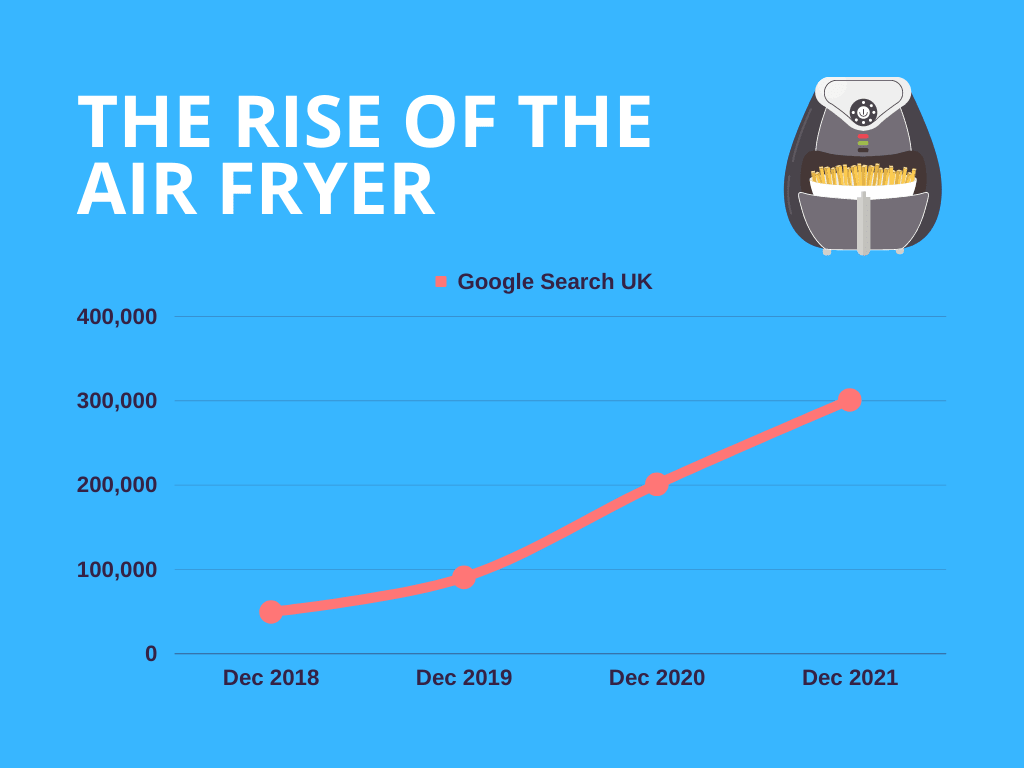
Image Source: lianaskitchen.co.uk
A Look at the Origins of Air Fryers
The story of the air fryer began with Philips Electronics in 2010 at a consumer electronics fair in Berlin. While not exactly “new” technology – convection ovens had existed for decades – the air fryer presented a compact and user-friendly way to achieve similar results.
- 2010: Philips introduces the first air fryer, using Rapid Air Technology. This technology promised to replicate the taste and texture of fried foods with significantly less oil.
- Early 2010s: Initial marketing focuses on the health benefits of air frying, appealing to health-conscious consumers.
However, the initial air fryer adoption rate was slow. Early models were often expensive, bulky, and lacked the features that would later drive their widespread appeal.
The Slow Burn: Building Momentum
Despite the initial hurdle, the seeds of the air fryer trend emergence had been planted. The following factors gradually contributed to the increasing interest in air fryers:
- Word-of-Mouth Marketing: Early adopters shared their positive experiences, highlighting the convenience and healthier cooking options.
- Online Reviews and Blogs: Food bloggers and online reviewers started testing and reviewing air fryers, providing valuable information to potential buyers.
- Expansion of Models and Brands: Other companies began entering the market, leading to more affordable options and greater availability.
The Power of Social Media
Social media played a pivotal role in boosting the rise of air frying. Platforms like Facebook, Instagram, and YouTube became hubs for sharing air fryer recipes, tips, and tricks.
- Visual Appeal: Air-fried foods often look appealing in photos and videos, attracting viewers and sparking interest.
- Community Building: Online groups and forums dedicated to air frying emerged, fostering a sense of community and shared knowledge.
- Influencer Marketing: Food bloggers and social media influencers started promoting air fryers, further driving demand.
The Takeoff: When Air Fryers Became Mainstream
The tipping point for when did air fryers become mainstream can be pinpointed around 2017-2018. This is when a perfect storm of factors converged, resulting in exponential growth in air fryer market growth and air fryer sales statistics.
- Increased Affordability: As technology advanced and competition increased, air fryer prices dropped significantly, making them accessible to a wider range of consumers.
- Improved Functionality: Newer models offered more features, such as digital controls, preset cooking programs, and larger capacities.
- Growing Health Consciousness: The emphasis on healthier eating continued to resonate with consumers, especially those looking for alternatives to traditional deep frying.
Air Fryer Popularity Timeline: A Year-by-Year Look
Here’s a more detailed air fryer popularity timeline:
| Year | Key Events | Trend |
|---|---|---|
| 2010 | Philips introduces the first air fryer. | Slow initial adoption, focus on health benefits. |
| 2011-2014 | Gradual increase in awareness, more brands enter the market. | Word-of-mouth marketing and online reviews contribute to growth. |
| 2015-2016 | Social media starts playing a significant role in promoting air frying. | Visual appeal of air-fried foods drives interest. |
| 2017-2018 | Air fryer prices drop, and features improve significantly. | Exponential growth in sales, air fryers become mainstream. |
| 2019-2020 | Pandemic fuels demand for home cooking appliances, including air fryers. | Air fryers become a staple in many households. |
| 2021-2023 | Continued growth, with focus on smart air fryers and multi-functional models. | Air fryers evolve to offer even greater convenience and versatility. |
| 2024 Onward | Market saturation begins in some regions, but innovation and new applications continue to drive interest. | Integration with smart home technology and expanded recipe options drive sales |
Analyzing the Air Fryer Market Growth
The air fryer market growth has been remarkable over the past decade. Numerous market research reports illustrate this trend.
- Increasing Sales Volume: Air fryer sales statistics demonstrate a consistent year-over-year increase in sales globally.
- Expansion of Product Categories: Air fryers have evolved into various categories, including basket-style air fryers, oven-style air fryers, and multi-cookers with air frying capabilities.
- Geographical Expansion: While North America and Europe were early adopters, the air fryer trend has spread to Asia-Pacific and other regions.
Quantifying the Popularity
While exact numbers vary depending on the source, the overall trend is undeniable. Below are some examples of reported sales data:
| Source | Report Title | Findings |
|---|---|---|
| ResearchAndMarkets.com | Air Fryer Market – Global Outlook & Forecast 2023-2028 | The global air fryer market size is projected to reach USD 1.78 Billion by 2028, from USD 1.16 Billion in 2022, at a CAGR of 7.4% during 2022-2028. |
| Future Market Insights | Air Fryer Market Outlook (2024 to 2034) | Air Fryer demand is anticipated to surge at a robust CAGR of 9.1% between 2024 and 2034. |
Note: The exact percentages and values depend on the research group and methodology, but they all show consistent positive growth and projected growth.
Deciphering the Appeal: What Makes Air Fryers So Popular?
Several factors have contributed to the enduring appeal of air fryers:
- Healthier Cooking: Air frying uses significantly less oil than traditional deep frying, resulting in lower fat and calorie content.
- Convenience: Air fryers are easy to use, quick to preheat, and offer a convenient way to cook a variety of foods.
- Versatility: Air fryers can be used to cook a wide range of dishes, from crispy fries and chicken wings to roasted vegetables and baked goods.
- Speed: Air frying is often faster than traditional oven cooking, saving time and energy.
- Easy Cleanup: Many air fryers have non-stick surfaces and dishwasher-safe parts, making cleanup a breeze.
Grasping the Air Fryer’s Place in the Kitchen
Air fryers have become more than just a passing fad. They have earned a permanent place in many kitchens due to their versatility and convenience.
- Replacing Traditional Appliances: Air fryers are often used as a substitute for deep fryers, toaster ovens, and even conventional ovens.
- Complementing Existing Appliances: Air fryers can also complement existing appliances, providing a faster and more convenient way to cook certain dishes.
- Expanding Culinary Possibilities: Air fryers have opened up new culinary possibilities, allowing home cooks to experiment with different recipes and cooking techniques.
Early Adopters: The Pioneers of Air Frying
While the mainstream adoption of air fryers occurred in the late 2010s, a group of air fryer early adopters played a crucial role in popularizing the appliance.
- Health-Conscious Individuals: These individuals were drawn to the health benefits of air frying and were willing to experiment with new cooking methods.
- Tech-Savvy Consumers: These individuals were quick to embrace new technologies and were eager to try out the latest kitchen gadgets.
- Food Bloggers and Reviewers: These individuals played a key role in spreading awareness and providing valuable information to potential buyers.
Honing the Air Fryer’s Potential: Recipes and Techniques
The early adopters were instrumental in developing air fryer recipes and techniques that showcased the appliance’s versatility.
- Sharing Recipes Online: Early adopters shared their favorite air fryer recipes on blogs, forums, and social media.
- Experimenting with Different Foods: They experimented with cooking a wide range of foods in the air fryer, from traditional fried foods to unexpected dishes like desserts and pizzas.
- Developing New Techniques: They developed new techniques for air frying, such as preheating the air fryer, using parchment paper liners, and shaking the basket for even cooking.
Fathoming the Future of Air Fryers
While the air fryer market has matured, innovation continues. We can expect to see further advancements in air fryer technology and new applications for the appliance.
- Smart Air Fryers: Air fryers with smart features, such as Wi-Fi connectivity, app control, and voice activation, are becoming increasingly popular.
- Multi-Functional Air Fryers: Air fryers that combine multiple cooking functions, such as air frying, baking, roasting, and grilling, are gaining traction.
- Sustainable Air Fryers: Air fryers with energy-efficient designs and eco-friendly materials are becoming more appealing to environmentally conscious consumers.
How Air Fryers Continue to Change the Way People Cook
Air fryers are not just a kitchen appliance; they represent a shift in how people approach cooking.
- Empowering Home Cooks: Air fryers empower home cooks to prepare healthier and more convenient meals.
- Encouraging Culinary Creativity: Air fryers encourage culinary creativity by providing a versatile platform for experimentation.
- Promoting Healthier Eating Habits: Air fryers promote healthier eating habits by making it easier to prepare delicious and nutritious meals with less oil.
FAQ Section
Here are some frequently asked questions about air fryers:
Q: What is an air fryer?
A: An air fryer is a kitchen appliance that cooks food by circulating hot air around it. It’s designed to mimic the results of deep frying but uses significantly less oil.
Q: Can I cook anything in an air fryer?
A: Yes, you can cook a wide variety of foods in an air fryer, including meats, vegetables, frozen foods, and even baked goods.
Q: Who is the target audience for air fryers?
A: The target audience for air fryers includes health-conscious individuals, busy families, and anyone looking for a convenient and versatile cooking appliance.
Q: Are air fryers actually healthy?
A: Air fryers can be a healthier alternative to deep frying because they use significantly less oil, which reduces fat and calorie intake.
Q: How do I clean an air fryer?
A: Most air fryers have non-stick surfaces and dishwasher-safe parts, making cleanup relatively easy. Refer to your air fryer’s instruction manual for specific cleaning instructions.
Q: Are air fryers energy efficient?
A: Air fryers are often more energy-efficient than conventional ovens because they heat up faster and cook food in a shorter amount of time.
Peering into the air fryer’s past reveals its transformation from a curious gadget to an indispensable kitchen companion. Its ascent to prominence wasn’t a sudden burst but a steady climb, fueled by a confluence of forces that ignited its popularity. The appliance’s remarkable adoption rate and explosive market growth underscore its inherent convenience, adaptability, and allure for those prioritizing healthier eating. The air frying phenomenon, spurred by continuous innovation and novel uses, shows no signs of waning, promising even greater capabilities ahead.

I’m the recipe developer and food photographer behind Air Fryer at Tiffany’s. I’m also a wife, mom to two adventurous little boys, registered nurse, and live in the great Midwest. Join me as I show you new ways to use your air fryer that you never knew possible.