The question is: Do we need to put oil in an air fryer? The answer is sometimes. Whether you need to add oil depends on the food you’re cooking and the results you’re looking for. This article will explore air fryer oil usage, debunk common myths, and provide facts to help you achieve optimal air fryer cooking. We’ll examine the benefits of oil in air fryer, delve into air fryer cooking techniques, and consider oil alternatives for air fryer to ensure your meals are both delicious and healthy. Let’s find out more about adding oil to air fryer!
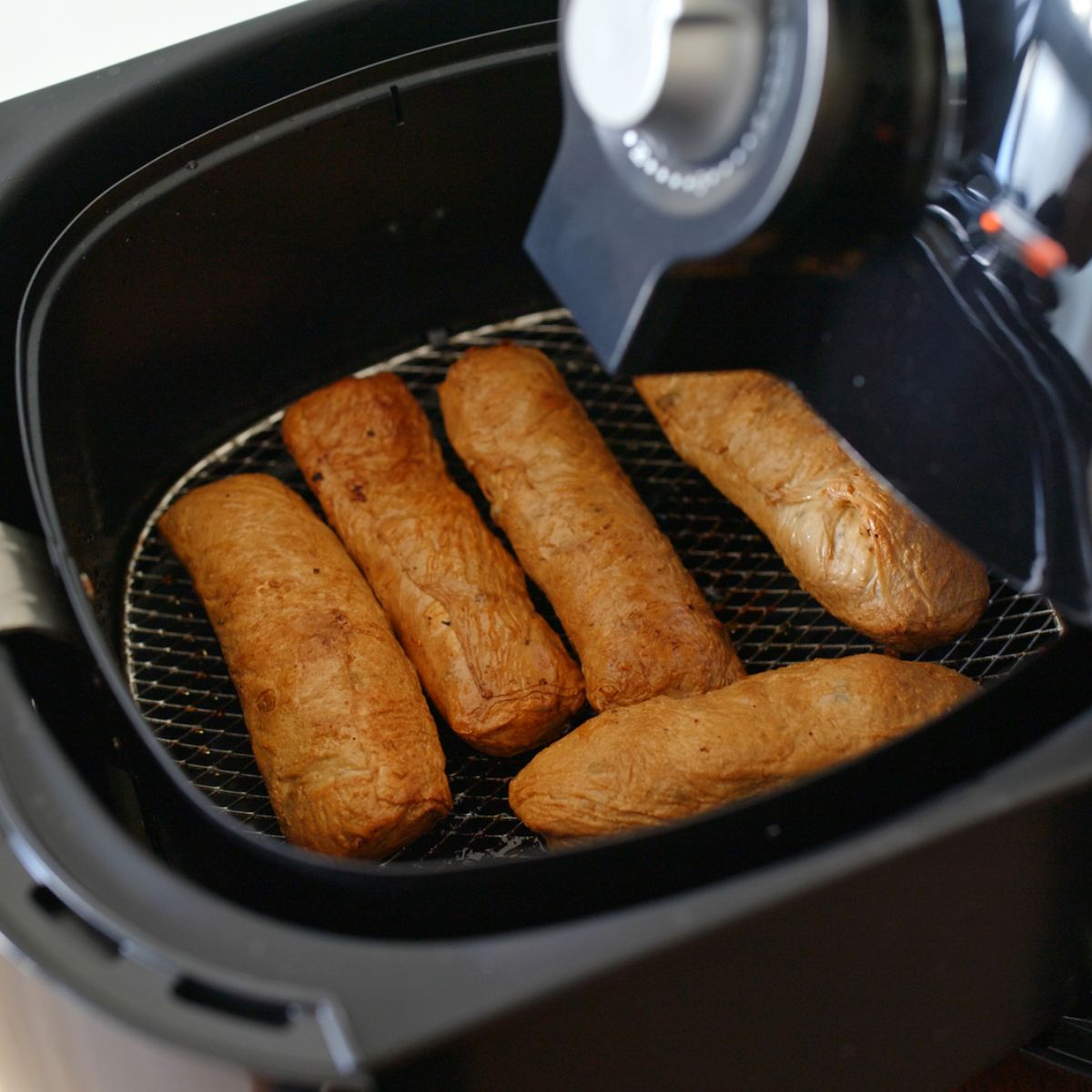
Image Source: www.alsothecrumbsplease.com
Why Consider Oil in an Air Fryer?
While air fryers are celebrated for their ability to cook food with significantly less oil than traditional deep frying, completely eliminating oil isn’t always the best approach. Oil plays several key roles in the cooking process, influencing both the texture and taste of your food.
The Roles of Oil
- Crispness: A light coating of oil helps to achieve that desirable crispy exterior.
- Browning: Oil aids in the Maillard reaction, which is responsible for browning and developing complex flavors.
- Moisture Retention: Oil can help to prevent food from drying out during the cooking process, especially leaner proteins.
- Preventing Sticking: A little bit of oil can act as a barrier between the food and the air fryer basket or rack, preventing food sticking in air fryer.
- Flavor Enhancement: Certain oils can impart their own unique flavor to the food.
When Oil Is Beneficial
Consider using oil in your air fryer when cooking the following:
- Homemade Fries: A light spray of oil is crucial for achieving crispy, golden fries.
- Vegetables: Roasting vegetables in an air fryer with a touch of oil brings out their natural sweetness and creates a slightly caramelized exterior.
- Lean Proteins (Chicken Breast, Fish): Oil helps prevent these items from becoming dry and tough.
- Foods with Little to No Natural Fat: Items like tofu or lean cuts of pork benefit from the added moisture and browning capabilities of oil.
Deciphering the Myths Surrounding Air Fryer Oil
Several misconceptions exist regarding air frying without oil. Let’s clarify some of these common myths:
Myth 1: Air Fryers Never Need Oil
Fact: While you can cook many foods in an air fryer without oil, it’s not always the ideal choice. Some foods benefit significantly from a light coating of oil, improving their texture and flavor. As mentioned above, fries, vegetables, and lean proteins are prime examples.
Myth 2: Any Oil Works in an Air Fryer
Fact: Not all oils are created equal when it comes to air frying. Oils with high smoke points are best to use. Oils with lower smoke points can burn and create an unpleasant taste and potentially damage your air fryer.
Myth 3: More Oil is Always Better
Fact: Overusing oil defeats the purpose of air frying, which is to reduce fat intake. It can also lead to soggy results. A light coating is usually sufficient.
Myth 4: You Can’t Use Cooking Sprays in an Air Fryer
Fact: Cooking sprays are generally safe to use in air fryers, but it’s important to use them correctly. Aerosol sprays containing propellants can damage the non-stick coating over time. It’s best to use a refillable air fryer oil spray bottle filled with your preferred oil.
Which Oils are Best for Air Frying?
Choosing the right oil is essential for safety and achieving the best results. Consider these options with higher smoke points:
| Oil Type | Smoke Point (°F) | Notes |
|---|---|---|
| Avocado Oil | 520 | Excellent neutral flavor, high smoke point, relatively expensive. |
| Safflower Oil | 510 | Neutral flavor, high smoke point, good all-purpose option. |
| Canola Oil | 400 | Relatively neutral flavor, good for general cooking. |
| Peanut Oil | 450 | Distinct flavor, high smoke point. Consider allergies. |
| Refined Olive Oil | 465 | Milder flavor than extra virgin olive oil, suitable for higher temperatures. |
| Sunflower Oil | 450 | Neutral flavor, high smoke point, good all-purpose option. |
| Grapeseed Oil | 420 | Neutral flavor, high in vitamin E. |
Avoid using extra virgin olive oil for high-temperature air frying as it has a lower smoke point (around 375°F) and can impart a bitter flavor when overheated.
Techniques for Using Oil in Your Air Fryer
Mastering the art of air fryer cooking techniques requires attention to detail.
Applying Oil
- Spray Bottle: The most effective way to apply oil is using a refillable spray bottle. This allows for even distribution and prevents over-oiling.
- Brushing: For larger items, you can brush the food with oil. This is useful for coating whole chicken breasts or thick cuts of meat.
- Tossing: For smaller items like vegetables or fries, toss them in a bowl with a small amount of oil before placing them in the air fryer.
Controlling the Amount
- Start Small: Begin with a small amount of oil and add more if needed. You can always add more, but you can’t take it away.
- Consider the Food: Fatty foods, like chicken thighs with skin, will render their own fat during cooking, so you may need less added oil.
- Observe: Pay attention to how the food is cooking. If it looks dry or is sticking, add a touch more oil.
Improving Food Texture
The right amount of oil significantly impacts air fryer food texture. Too little oil can result in dry, bland food, while too much can lead to soggy results.
- Crispy Fries: Achieve perfect fries by soaking them in cold water for 30 minutes, drying them thoroughly, and then tossing them with a light coating of oil before air frying.
- Tender Vegetables: Roasting vegetables with a light coating of oil brings out their natural sweetness and creates a slightly caramelized exterior. Experiment with different herbs and spices to enhance the flavor.
Exploring Oil Alternatives for Air Fryer
If you’re looking to reduce your oil consumption further, several oil alternatives for air fryer can provide similar benefits:
For Crispiness:
- Aquafaba: The liquid from canned chickpeas can be whipped into a foam and used to coat foods for added crispness.
- Egg Whites: Similar to aquafaba, beaten egg whites can create a light, crispy coating.
- Cornstarch or Potato Starch: A light dusting of cornstarch or potato starch can help to absorb moisture and promote crisping.
For Moisture:
- Broth or Stock: A small amount of broth or stock can help to keep food moist, especially when cooking lean proteins.
- Marinades: Marinating food before air frying not only adds flavor but also helps to keep it moist.
- Lemon Juice: A squeeze of lemon juice can add moisture and brightness to your food.
Table: Comparing Oil Alternatives
| Alternative | Use Case | Benefits | Drawbacks |
|---|---|---|---|
| Aquafaba | Coating for crispy texture | Vegan, adds crispness | Can be slightly slimy if not cooked properly, might alter taste |
| Egg Whites | Coating for crispy texture | Adds crispness and protein | Not suitable for vegans, potential for overcooking |
| Cornstarch | Coating for crispy texture | Absorbs moisture, promotes crisping | Can create a powdery texture if overused |
| Broth/Stock | Adding moisture to lean proteins | Adds flavor and moisture | Can make food soggy if overused, impacts taste profile |
| Marinades | Adding flavor and moisture | Infuses flavor, tenderizes food | Requires planning ahead, potential for overpowering the natural flavor of the food |
| Lemon Juice | Adding moisture and brightness | Adds acidity and freshness | Can make food soggy if overused |
The Impact of Oil on Air Fryer Longevity
While the primary focus is on food quality and health, air fryer oil usage also plays a role in the appliance’s lifespan.
- Non-Stick Coating: As mentioned earlier, avoid using aerosol cooking sprays containing propellants, as they can damage the non-stick coating over time.
- Cleaning: Regularly cleaning your air fryer is essential. Excess oil buildup can lead to smoke and unpleasant odors. Clean after each use once the appliance has fully cooled.
- Maintenance: Follow the manufacturer’s instructions for maintenance. This may include wiping down the heating element and checking for any signs of damage.
Ensuring Safety When Using Oil
Safety should always be a priority when using an air fryer and oil.
- Never Overfill: Do not overfill the air fryer basket with food, as this can impede airflow and result in uneven cooking. It also increases the risk of oil splattering.
- Avoid Open Flames: Air fryers should never be used near open flames or flammable materials.
- Unplug When Not in Use: Always unplug the air fryer when not in use and allow it to cool completely before cleaning.
- Use Oven Mitts: Use oven mitts when handling the air fryer basket or removing hot food.
Grasping the Importance of Proper Cleaning
Cleaning is paramount for both hygiene and the longevity of your air fryer. Food residue and grease build-up can not only affect the taste of your food but also pose a fire risk.
How to Clean Your Air Fryer
- Unplug and Cool: Always unplug your air fryer and allow it to cool completely before cleaning.
- Remove Basket and Pan: Remove the basket and pan from the air fryer.
- Wash with Soap and Water: Wash the basket and pan with warm, soapy water. Use a non-abrasive sponge to avoid damaging the non-stick coating.
- Clean the Interior: Wipe down the interior of the air fryer with a damp cloth. Avoid submerging the air fryer in water.
- Remove Stubborn Residue: For stubborn residue, soak the basket and pan in warm, soapy water for 10-15 minutes. You can also use a paste of baking soda and water to gently scrub away the residue.
- Dry Thoroughly: Dry all parts thoroughly before reassembling the air fryer.
- Clean the Heating Element: Periodically, clean the heating element with a damp cloth to remove any grease or food splatters. Make sure the appliance is unplugged and completely cooled before doing so.
Frequently Asked Questions (FAQ)
Q: Can I use parchment paper in my air fryer?
A: Yes, you can use parchment paper in your air fryer, but make sure to weigh it down with food to prevent it from flying around and potentially catching fire. Perforated parchment paper designed specifically for air fryers is also available.
Q: What is the ideal temperature for air frying?
A: The ideal temperature varies depending on the food you’re cooking. Generally, temperatures between 350°F and 400°F are suitable for most air frying recipes. Adjust the temperature as needed based on the recipe and your personal preferences.
Q: Can I cook frozen food in an air fryer?
A: Yes, you can cook frozen food in an air fryer. Air fryers are excellent for cooking frozen foods like french fries, chicken nuggets, and pizza rolls. Check the packaging for recommended cooking times and temperatures, and adjust as needed.
Q: How do I prevent food from sticking to the air fryer basket?
A: To prevent food from sticking, use a light coating of oil or cooking spray. You can also use parchment paper or silicone liners. Make sure the food is not overcrowded in the basket, as this can also contribute to sticking.
Q: What are the benefits of using an air fryer over a traditional oven?
A: Air fryers offer several benefits over traditional ovens, including faster cooking times, lower energy consumption, and the ability to achieve crispy results with less oil. They are also more compact and convenient for cooking smaller portions.
Q: What are the health benefits of using an air fryer?
A: Air fryers allow you to cook food with significantly less oil than traditional deep frying, which can reduce your calorie and fat intake. This can contribute to weight loss and improve overall health. Additionally, air frying can help to reduce the formation of harmful compounds that are produced during deep frying.
Unlock your air fryer’s full potential for mouthwatering and healthy meals by mastering the art of oil, exploring smart substitutions, and adopting safe cooking practices. Don’t be afraid to play, tweak, and savor every delicious bite!

I’m the recipe developer and food photographer behind Air Fryer at Tiffany’s. I’m also a wife, mom to two adventurous little boys, registered nurse, and live in the great Midwest. Join me as I show you new ways to use your air fryer that you never knew possible.