Yes, you can use an air fryer like a microwave, but there are important differences to consider. While both appliances can heat food, they use different methods, which affect the results. This article will explore whether an air fryer as microwave replacement is a good idea, weighing the advantages and disadvantages of each appliance, and helping you decide which one best suits your needs.
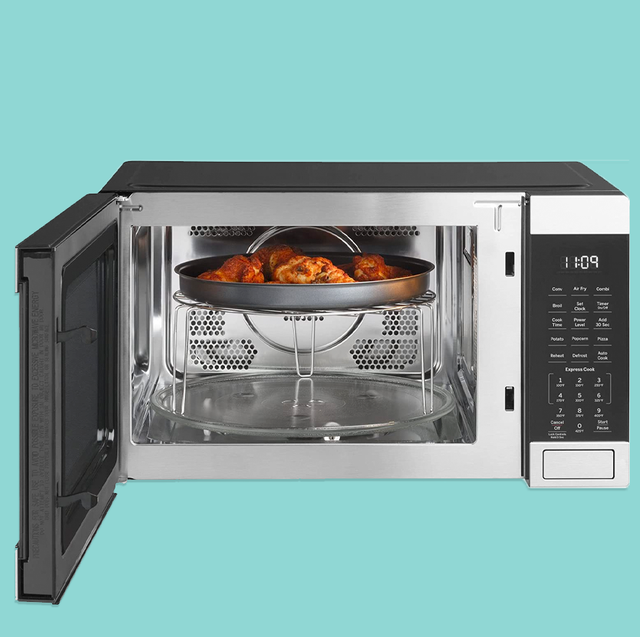
Image Source: hips.hearstapps.com
Air Fryer vs Microwave: Grasping the Key Differences
The core difference between an air fryer and a microwave lies in their heating methods. This difference dramatically impacts the final product.
Microwaves: Quick Heating From Within
Microwaves use electromagnetic radiation to excite water molecules within food. This rapid vibration generates heat, cooking the food from the inside out. This method is incredibly fast and efficient for reheating and cooking certain foods.
- Speed: Microwaves are known for their speed. They can reheat leftovers in minutes.
- Convenience: They are easy to use. Simply place the food inside and set the timer.
- Moisture Retention: Microwaves are good at retaining moisture, making them suitable for steaming vegetables or reheating soups.
Air Fryers: Crispy Results Through Convection
Air fryers, on the other hand, use convection heating. A heating element heats the air inside the appliance, and a powerful fan circulates this hot air around the food. This process creates a crispy exterior, similar to deep frying, but with significantly less oil.
- Crispiness: Air fryers excel at creating crispy textures, making them ideal for foods like fries, chicken wings, and spring rolls.
- Even Cooking: The circulating hot air promotes more even cooking than a microwave, which can sometimes leave cold spots.
- Less Oil: Air fryers require little to no oil, making them a healthier alternative to deep frying.
Is an Air Fryer a Viable Microwave Alternative?
Whether an air fryer can truly replace a microwave depends on your cooking habits and priorities. Let’s examine the pros and cons of using air fryer instead of microwave in various scenarios.
Air Fryer Reheating: Transforming Leftovers
Reheating leftovers is a common task for both microwaves and air fryers. Here’s how they compare:
| Feature | Microwave | Air Fryer |
|---|---|---|
| Speed | Very fast (1-3 minutes) | Slower (3-10 minutes) |
| Texture | Can become soggy or unevenly heated | Crispy and evenly heated |
| Best For | Soups, stews, liquids, soft foods | Pizza, fried foods, anything you want crispy again |
| Energy Efficiency | Generally more energy-efficient for small jobs | Can be less efficient for very small portions |
As the table shows, the air fryer cooking time vs microwave can be significantly longer. But the trade-off is a superior texture, especially for foods that tend to get soggy in the microwave.
Example: Reheating pizza in the microwave often results in a soft, sometimes rubbery crust. In contrast, an air fryer will restore the crust’s crispness, making it taste almost as good as fresh.
Air Fryer for Quick Meals: A Fast Food Facsimile?
Both appliances offer convenience for quick meals.
- Microwave: Excellent for quickly heating pre-made meals, cooking frozen vegetables, or making popcorn. Its speed is its greatest asset.
- Air Fryer: Suitable for cooking frozen snacks like french fries or chicken nuggets, but it takes longer than a microwave. It also shines at cooking things like quesadillas or grilled cheese sandwiches, delivering a golden-brown exterior.
Advantages of Air Fryer Over Microwave: The Texture Factor
Here’s a breakdown of the advantages of air fryer over microwave:
- Superior Texture: As mentioned earlier, air fryers excel at creating crispy textures.
- Healthier Cooking: Because they require little to no oil, air fryers promote healthier cooking habits.
- More Even Cooking: The circulating hot air ensures that food cooks more evenly, minimizing cold spots.
- Versatility: Air fryers can be used for a wide range of cooking tasks, from baking small cakes to roasting vegetables.
- Better Tasting Leftovers: They excel at reviving leftover fried foods, pizza, and other items that lose their appeal in the microwave.
However, there are also disadvantages:
- Longer Cooking Time: Air fryers generally take longer than microwaves to heat food.
- Smaller Capacity: Most air fryers have a smaller capacity than microwaves, making them less suitable for large portions or dishes.
- Cleaning: While many air fryer baskets are dishwasher-safe, some models can be more difficult to clean than a microwave.
- Noise: Air fryers tend to be louder than microwaves due to the fan.
Air Fryer Convenience: Real-World Scenarios
Let’s look at some common scenarios and how an air fryer and microwave would perform:
- Reheating Coffee: Microwave is the clear winner due to speed and convenience.
- Heating Soup: Microwave is preferred due to speed and moisture retention.
- Cooking Frozen Pizza Rolls: Air Fryer is better because it makes them crispy.
- Reheating Fried Chicken: Air Fryer is the better choice for restoring crispness.
- Making Popcorn: Microwave is specifically designed for this and is the fastest method.
- Baking a Single Cookie: Air Fryer can do this well, providing a warm, slightly crispy treat.
Deciphering the Best Uses for Each Appliance
To help you decide which appliance is best for your needs, consider these guidelines:
Use a Microwave When:
- You need to heat something quickly.
- You are reheating liquids like soup or coffee.
- You are steaming vegetables.
- You are cooking or reheating foods that benefit from moisture retention.
- You need to cook popcorn.
Use an Air Fryer When:
- You want to achieve a crispy texture.
- You are reheating fried foods or pizza.
- You are cooking frozen snacks like french fries or chicken nuggets.
- You are roasting vegetables or small cuts of meat.
- You want a healthier alternative to deep frying.
Tips for Using an Air Fryer As A Microwave Replacement
If you decide to use your air fryer as a microwave replacement, here are some tips:
- Preheat the Air Fryer: Preheating ensures even cooking and optimal crispness.
- Don’t Overcrowd the Basket: Overcrowding can prevent air from circulating properly, leading to uneven cooking.
- Use a Little Oil (If Needed): While air fryers require little to no oil, a light spritz can enhance crispness.
- Monitor the Cooking Time: Air fryer cooking times can vary depending on the model and the food being cooked. Keep a close eye on your food to prevent overcooking.
- Shake or Flip the Food: Shaking or flipping the food halfway through cooking ensures even browning.
Fathoming Energy Efficiency
While both appliances can be relatively energy-efficient for certain tasks, there are some nuances to consider. Microwaves generally consume less energy for short bursts of heating. Air fryers, on the other hand, may use more energy due to the longer cooking times and the need to heat the air.
However, the overall energy consumption depends on usage patterns. If you frequently reheat small portions of food, a microwave may be more energy-efficient. If you regularly cook larger meals or prefer crispy results, an air fryer may be a better choice.
Interpreting Customer Reviews and Expert Opinions
Customer reviews and expert opinions provide valuable insights into the real-world performance of air fryers and microwaves. Many users praise air fryers for their ability to create crispy and delicious meals with minimal oil. They also appreciate the convenience and versatility of these appliances.
However, some users note that air fryers can be noisy and take longer to cook than microwaves. They also mention that the smaller capacity of some models can be a limitation.
Experts generally agree that air fryers are a valuable addition to the kitchen, offering a healthier and more versatile alternative to deep frying. They also acknowledge that microwaves remain the appliance of choice for quick reheating and certain cooking tasks.
FAQ: Addressing Common Questions
Q: Can I put metal in an air fryer?
A: Yes, you can use some metal in an air fryer, specifically oven-safe dishes. Avoid aluminum foil unless used correctly (check your air fryer manual). Never use aluminum foil if it can touch the heating element.
Q: What can’t you cook in an air fryer?
A: Avoid cooking very wet batters, large quantities of leafy greens (they’ll fly around), whole chickens (unless your air fryer is very large), and cheese-only items (the cheese will melt and make a mess).
Q: Is air frying healthier than microwaving?
A: It depends. Air frying is generally healthier than deep frying, as it uses little to no oil. Whether it’s healthier than microwaving depends on the food you are cooking. Microwaving retains nutrients better than many other cooking methods, but if you’re reheating fried food, the air fryer is a healthier (and tastier) choice.
Q: Can an air fryer replace an oven?
A: In many cases, yes. Air fryers can bake, roast, and grill, making them a suitable oven replacement for smaller portions.
Q: How do I clean my air fryer?
A: Unplug the air fryer and let it cool. Remove the basket and pan, and wash them with warm, soapy water. For stubborn food residue, soak the basket and pan in hot water with dish soap for a few minutes before washing.
Conclusion: Finding the Right Fit for Your Kitchen
So, while an air fryer can mimic a microwave in a pinch, it’s far from an interchangeable twin. The ultimate champion in your kitchen hinges on your personal culinary rhythm and what makes your taste buds sing. For lightning-fast reheating of sauces or perfectly steamed greens, your trusty microwave still reigns supreme. But if golden-brown crispiness, guilt-free indulgence, and a broader culinary canvas are your jam, an air fryer is an absolute game-changer. In the end, the smart cook often finds that embracing both appliances unlocks a world of kitchen convenience and delicious possibilities.

I’m the recipe developer and food photographer behind Air Fryer at Tiffany’s. I’m also a wife, mom to two adventurous little boys, registered nurse, and live in the great Midwest. Join me as I show you new ways to use your air fryer that you never knew possible.