Are glass air fryers safe? Generally, yes, glass air fryers are safe to use, if they are made with the right type of glass, such as tempered glass or borosilicate glass, and used according to the manufacturer’s instructions. However, like any appliance, there are potential risks that you should be aware of. This comprehensive guide will explore glass air fryer safety, addressing concerns like glass air fryer dangers, are glass air fryers toxic, and offering tips for safe operation.
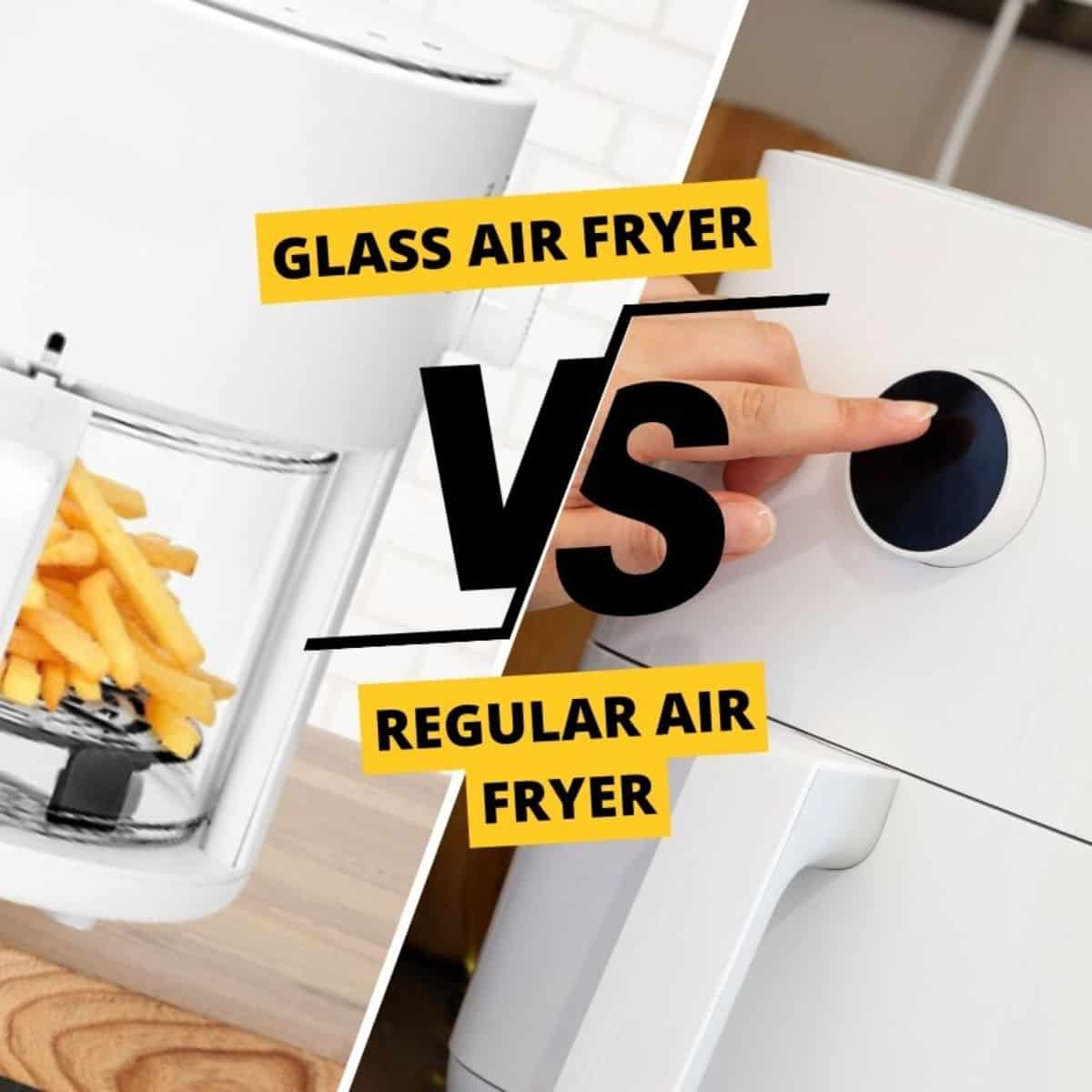
Image Source: www.alsothecrumbsplease.com
Fathoming the Appeal of Glass Air Fryers
Why are glass air fryers gaining popularity? Several factors contribute to their appeal:
-
Visibility: The primary advantage is the ability to see your food cooking. This eliminates the need to repeatedly open the air fryer to check progress, which can disrupt the cooking process and extend cooking time.
-
Aesthetics: Many people find glass air fryers more attractive than their stainless steel or plastic counterparts. They offer a sleek, modern look.
-
Cleaning: Some users find glass bowls easier to clean than traditional air fryer baskets, especially if the glass is dishwasher-safe.
Examining the Materials: What Kind of Glass is Used?
The key to glass air fryer safety lies in the type of glass used in its construction. Not all glass is created equal, especially when it comes to handling high temperatures.
Tempered Glass Air Fryer
Tempered glass air fryers are a common choice. Tempered glass is significantly stronger than regular glass due to a heat treatment process. This process creates compressive stress on the surface, making it more resistant to breakage. If tempered glass does break, it shatters into small, relatively harmless pieces instead of sharp shards.
Borosilicate Glass Air Fryer
Borosilicate glass air fryers are often considered superior. Borosilicate glass is known for its exceptional thermal shock resistance. This means it can withstand rapid temperature changes without cracking or shattering. It is also less likely to leach chemicals into food. It is the same material that pyrex cookware uses.
Comparing Tempered Glass vs. Borosilicate Glass
| Feature | Tempered Glass | Borosilicate Glass |
|---|---|---|
| Heat Resistance | Good | Excellent |
| Thermal Shock | Moderate | High |
| Breakage Pattern | Small, relatively harmless pieces | Similar to tempered glass, but potentially fewer pieces. |
| Cost | Generally less expensive than borosilicate glass | Generally more expensive |
| Toxicity | Inert, but always check manufacturer specifications | Inert, but always check manufacturer specifications |
Why Regular Glass is Not Suitable
Regular glass, also known as soda-lime glass, is not heat-resistant and should never be used in an air fryer. It is prone to shattering under high temperatures or rapid temperature changes, posing a significant safety risk.
Dissecting Potential Glass Air Fryer Dangers
While glass air fryers offer certain advantages, they also come with potential risks that need careful consideration.
Glass Air Fryer Shattering
Glass air fryer shattering is perhaps the biggest concern. While tempered and borosilicate glass are designed to withstand high temperatures, they are not indestructible. Shattering can occur due to:
- Manufacturing Defects: A flaw in the glass during manufacturing can weaken its structure.
- Impact Damage: Even small chips or scratches can compromise the integrity of the glass, making it more susceptible to shattering.
- Rapid Temperature Changes: Sudden shifts in temperature, such as adding cold water to a hot glass bowl, can cause thermal shock and shattering.
- Overfilling: Overfilling the air fryer can cause food to come into direct contact with the heating element and the glass, potentially leading to uneven heating and stress on the glass.
- Improper Cleaning: Using abrasive cleaners or scouring pads can scratch the glass, weakening it over time.
If a glass air fryer shatters during use, it can cause:
- Burns: Hot food and oil can splatter, causing burns.
- Cuts: Although tempered glass breaks into smaller pieces, they can still cause cuts.
- Fire Hazard: In rare cases, shattering could potentially damage the heating element and create a fire hazard.
Are Glass Air Fryers Toxic?
The question of are glass air fryers toxic is crucial. High-quality tempered glass and borosilicate glass are generally considered inert and non-toxic. This means they do not leach harmful chemicals into food during cooking. However, it is essential to:
- Choose Reputable Brands: Buy from well-known brands that adhere to strict quality control standards.
- Check Certifications: Look for certifications from organizations like the FDA or similar regulatory bodies that ensure the glass is food-safe.
- Avoid Cheap Imitations: Lower-quality glass air fryers may use substandard glass that could contain harmful substances.
Other Potential Hazards
Beyond shattering and toxicity, other potential hazards associated with glass air fryers include:
- Burns from Hot Surfaces: The glass bowl can become extremely hot during use. Always use oven mitts or heat-resistant gloves when handling it.
- Electrical Shock: As with any electrical appliance, there is a risk of electrical shock if the air fryer is used improperly or if the power cord is damaged.
- Scalding: Steam released during cooking can cause scalding. Be careful when opening the air fryer.
Weighing the Advantages and Disadvantages: Glass Air Fryer Pros and Cons
Before purchasing a glass air fryer, it’s important to weigh the pros and cons.
Pros:
- Visibility: Easily monitor cooking progress without opening the air fryer.
- Aesthetics: Sleek and modern design.
- Easy Cleaning: Some models are dishwasher-safe.
- Non-Reactive: High-quality glass is inert and does not react with food.
Cons:
- Shattering Risk: While low, there is always a risk of the glass shattering.
- Heavier: Glass bowls tend to be heavier than metal baskets.
- Cost: Often more expensive than traditional air fryers.
- Potential for Burns: The glass bowl can become very hot.
Ensuring Safe Usage: A Guide to Glass Air Fryer Safety
To minimize the risks associated with glass air fryers, follow these safety guidelines:
- Read the Manual: Always read and follow the manufacturer’s instructions carefully.
- Inspect Before Use: Before each use, inspect the glass bowl for any chips, cracks, or other damage. If you find any damage, do not use the air fryer.
- Avoid Overfilling: Do not overfill the air fryer, as this can cause food to come into direct contact with the heating element and glass.
- Use Heat-Resistant Gloves: Always use oven mitts or heat-resistant gloves when handling the hot glass bowl.
- Avoid Sudden Temperature Changes: Do not add cold water to a hot glass bowl, and avoid placing a hot bowl on a cold surface.
- Use the Correct Settings: Follow the recommended temperature and cooking time guidelines for the food you are preparing.
- Clean Properly: Clean the glass bowl with non-abrasive cleaners and avoid using scouring pads that can scratch the glass.
- Store Carefully: Store the glass bowl in a safe place where it will not be knocked over or damaged.
- Never Submerge the Base: The base of the air fryer contains electrical components and should never be submerged in water.
Selecting a Safe Glass Air Fryer: What to Look For
When buying a glass air fryer, consider these factors to ensure safety:
- Glass Type: Choose an air fryer made with tempered glass or borosilicate glass.
- Brand Reputation: Opt for a reputable brand known for quality and safety.
- Certifications: Look for certifications from recognized organizations that ensure the glass is food-safe.
- Customer Reviews: Read customer reviews to get an idea of other users’ experiences with the air fryer.
- Warranty: A good warranty can provide peace of mind in case of defects or breakage.
- Heat Resistant Glass Air Fryer properties must be explicitly mentioned in the product description.
Dealing with a Shattered Glass Air Fryer
If your glass air fryer shatters, follow these steps:
- Turn off the Air Fryer: Immediately turn off and unplug the air fryer.
- Keep Away: Keep children and pets away from the area.
- Protect Yourself: Wear gloves and eye protection to prevent cuts and injuries.
- Clean Up Carefully: Carefully sweep up the broken glass, using a broom and dustpan. Use a wet paper towel to pick up any small shards.
- Dispose Properly: Dispose of the broken glass in a sealed container.
- Contact the Manufacturer: Contact the manufacturer to inquire about replacement parts or warranty coverage.
Frequently Asked Questions (FAQ)
Q: Can I put my glass air fryer bowl in the dishwasher?
A: This depends on the manufacturer’s instructions. Some glass air fryer bowls are dishwasher-safe, while others are not. Always check the manual before placing the bowl in the dishwasher.
Q: What is the best type of glass for an air fryer?
A: Borosilicate glass is generally considered the best type of glass for an air fryer due to its superior thermal shock resistance. Tempered glass is also a good option.
Q: My glass air fryer has a small chip. Is it safe to use?
A: No, it is not safe to use a glass air fryer with a chip or crack. The damage can weaken the glass and increase the risk of shattering.
Q: How can I prevent my glass air fryer from shattering?
A: To prevent shattering, avoid sudden temperature changes, do not overfill the air fryer, use heat-resistant gloves when handling the hot bowl, and clean the bowl with non-abrasive cleaners.
Q: Are all glass air fryers the same?
A: No, not all glass air fryers are the same. The quality of the glass, the design of the air fryer, and the manufacturer’s quality control standards can all vary.
Q: Are there any specific brands of glass air fryers you recommend?
A: Recommending specific brands can quickly become outdated due to market changes. However, research reputable brands with consistently positive reviews and certifications demonstrating their commitment to safety and quality.
Q: Is it safe to use a glass air fryer on a glass stovetop?
Placing your glass air fryer directly on a glass stovetop is a definite no-go. The stovetop might buckle under the appliance’s weight, and the intense heat could be a recipe for disaster, potentially damaging your air fryer. Always ensure your air fryer rests on a sturdy, heat-proof platform.

I’m the recipe developer and food photographer behind Air Fryer at Tiffany’s. I’m also a wife, mom to two adventurous little boys, registered nurse, and live in the great Midwest. Join me as I show you new ways to use your air fryer that you never knew possible.