- Where to keep an air fryer? The best place for your air fryer is a well-ventilated, heat-resistant surface, such as a countertop, with ample space around it. You should also make sure it is away from water sources and flammable items. However, if countertop space is limited, other options include pantry storage, cabinet storage, or even garage storage.
This guide covers the best places to keep your air fryer, considering safety and convenience. We’ll explore various air fryer placement options, from the kitchen countertop to pantry shelves, offering air fryer storage ideas and solutions for every kitchen.
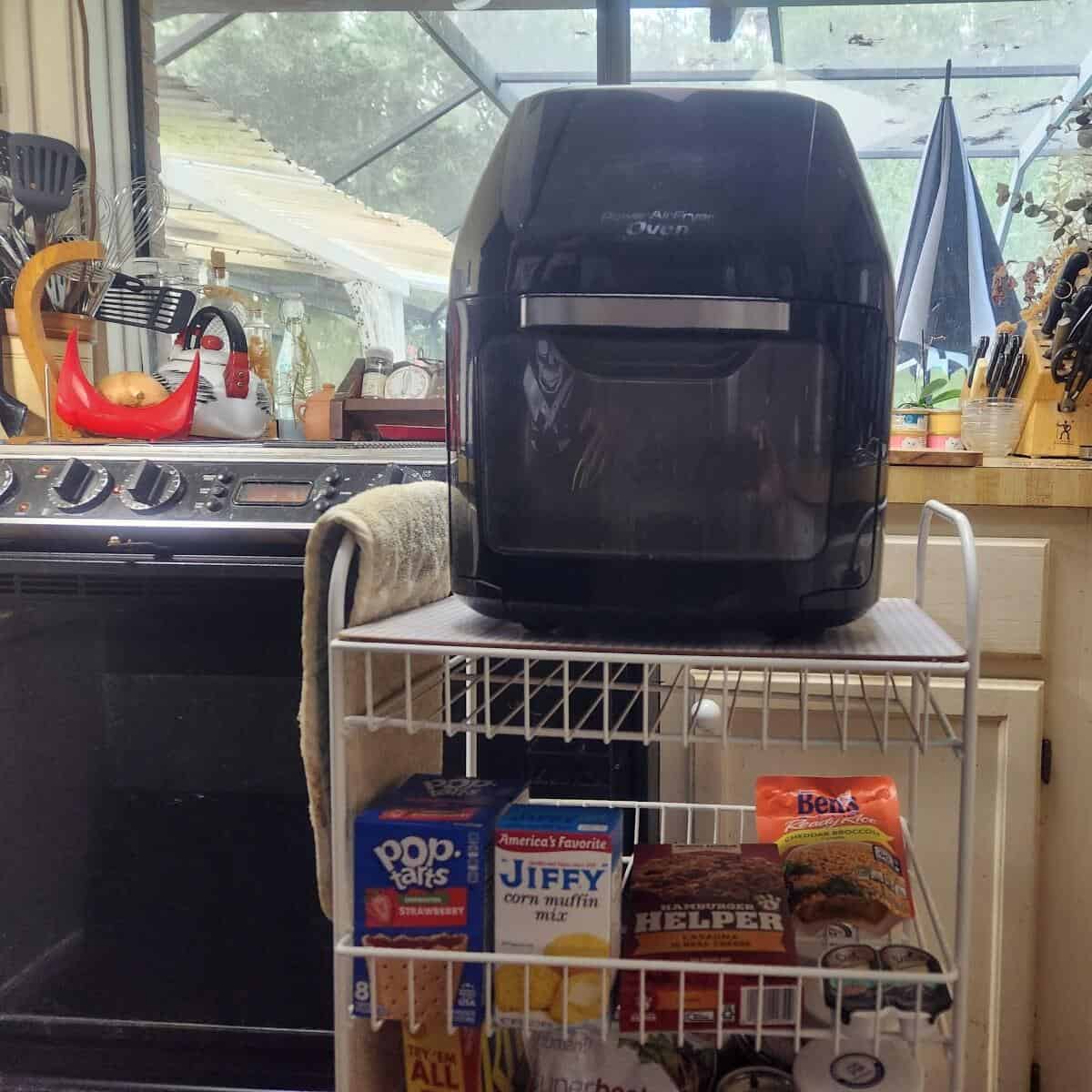
Image Source: www.alsothecrumbsplease.com
Choosing the Right Spot: Key Considerations
Picking the right spot for your air fryer is vital for safety, convenience, and the lifespan of your appliance. Here’s what to keep in mind:
- Heat Resistance: Air fryers get hot! Always place your air fryer on a heat-resistant surface. Granite, quartz, and tile countertops are generally safe. Avoid placing it directly on wood, laminate, or plastic surfaces without proper protection.
- Ventilation: Air fryers need good ventilation to work properly and prevent overheating. Ensure there is at least 5-6 inches of space around the appliance.
- Accessibility: Place your air fryer in a location that’s easy to access and use. Consider how often you use it. Daily use means it should be readily available.
- Electrical Outlet: Make sure there’s a readily accessible electrical outlet nearby. Avoid using extension cords if possible, as they can be a fire hazard.
- Distance from Water: Never place your air fryer near a sink or any water source. Water and electricity don’t mix!
- Clearance from Cabinets: Ensure the top of your air fryer has enough clearance from overhead cabinets. This prevents heat damage and allows for proper airflow.
Optimal Kitchen Locations for Your Air Fryer
Let’s examine the most common and practical places to keep your air fryer in the kitchen:
Countertop Placement: The Most Common Choice
The countertop is often the go-to place for an air fryer, especially if you use it frequently.
Pros:
- Easy access for daily use.
- Convenient for quick meal prep.
- Often near electrical outlets.
Cons:
- Can take up valuable countertop space.
- May contribute to kitchen clutter.
- Can be an eyesore if not neatly organized.
Solutions:
- Use a heat-resistant mat under the air fryer to protect your countertop.
- Keep the area around the air fryer clean and clutter-free.
- Consider a dedicated “appliance garage” or countertop cabinet for a more organized look.
Kitchen Island Air Fryer Location
A kitchen island offers a larger, more robust surface ideal for an air fryer.
Pros:
- Ample space for the appliance and food preparation.
- Often includes electrical outlets.
- Can be a central hub for cooking.
Cons:
- Might be too far from other essential cooking appliances.
- Can obstruct the flow of traffic in the kitchen.
Solutions:
- Dedicate a specific section of the island for appliance use.
- Ensure adequate ventilation around the air fryer.
- Use a kitchen cart with wheels to make it mobile.
Air Fryer Cabinet Storage: Out of Sight, Out of Mind?
If countertop space is at a premium, air fryer cabinet storage might be a good option.
Pros:
- Keeps the air fryer out of sight when not in use.
- Frees up valuable countertop space.
- Creates a cleaner, more organized kitchen.
Cons:
- Requires lifting the air fryer in and out of the cabinet.
- Can be inconvenient for frequent use.
- Needs a well-ventilated cabinet to prevent heat buildup.
Air Fryer Cabinet Storage Tips:
- Choose a sturdy cabinet that can handle the weight of the air fryer.
- Install a pull-out shelf or tray for easy access.
- Consider a cabinet with a built-in electrical outlet.
- Always allow the air fryer to cool completely before storing it in the cabinet.
- Never use the air fryer inside the cabinet.
Air Fryer Pantry Storage: A Hidden Gem
If you have a large pantry, it can be a great place to store your air fryer.
Pros:
- Keeps the air fryer out of the main kitchen area.
- Saves valuable countertop and cabinet space.
- Can be a convenient location if you store cooking oils and spices in the pantry.
Cons:
- May require carrying the air fryer to the countertop for use.
- Needs a dedicated shelf or space to accommodate the appliance.
- Pantry might lack adequate ventilation.
Air Fryer Pantry Storage Tips:
- Ensure the pantry shelf is strong enough to support the weight of the air fryer.
- Provide adequate ventilation by leaving the pantry door slightly ajar when using the appliance.
- Consider installing an electrical outlet in the pantry for added convenience.
Air Fryer Organization: Maximizing Space & Efficiency
No matter where you store your air fryer, organization is key. Here are some tips to keep your kitchen tidy and efficient:
- Cord Management: Use cord organizers or ties to keep the power cord neatly tucked away.
- Accessory Storage: Store air fryer accessories (baskets, racks, pans) together in a dedicated container or drawer.
- Cleaning Supplies: Keep cleaning supplies (sponges, dish soap, microfiber cloths) nearby for easy cleanup.
- Recipe Organization: Store air fryer recipes in a binder, digital folder, or recipe box for quick reference.
Alternative Locations: Thinking Outside the Kitchen
If kitchen space is limited, consider these alternative locations for your air fryer:
Air Fryer Garage Storage: A Last Resort?
Storing your air fryer in the garage should be a last resort due to temperature fluctuations and potential exposure to dust and chemicals.
Pros:
- Frees up space in the kitchen.
- Keeps the appliance out of sight.
Cons:
- Inconvenient for frequent use.
- Exposure to extreme temperatures and humidity.
- Potential contamination from dust, dirt, and chemicals.
Air Fryer Garage Storage Tips:
- Store the air fryer in a sealed container to protect it from dust and pests.
- Avoid storing it in direct sunlight or extreme temperatures.
- Thoroughly clean the air fryer before each use.
- Only consider this option if your garage is relatively clean and climate-controlled.
Other Rooms? Proceed with Caution
Storing your air fryer in other rooms (e.g., laundry room, basement) is generally not recommended due to safety concerns and inconvenience. The risk of fire hazards, lack of proper ventilation, and distance from cooking areas make these locations less than ideal.
Safety First: Essential Tips for Using Your Air Fryer
Regardless of where you keep your air fryer, safety should always be your top priority. Follow these essential tips:
- Read the Manual: Familiarize yourself with the manufacturer’s instructions and safety guidelines.
- Use Heat-Resistant Surfaces: Always place the air fryer on a heat-resistant surface.
- Ensure Proper Ventilation: Allow at least 5-6 inches of space around the appliance.
- Avoid Overcrowding: Do not overcrowd the air fryer basket, as this can affect cooking performance and safety.
- Never Use Oil: Air fryers are designed to cook with little to no oil. Adding too much oil can cause splattering and potential fire hazards.
- Unplug After Use: Always unplug the air fryer when it’s not in use.
- Clean Regularly: Clean the air fryer after each use to prevent food buildup and grease fires.
- Supervise During Use: Never leave the air fryer unattended while it’s operating.
- Check for Damage: Regularly inspect the air fryer for any signs of damage, such as frayed cords or cracked housings.
- Keep Away from Children: Keep the air fryer out of reach of children.
Table: Air Fryer Location Comparison
| Location | Pros | Cons | Considerations |
|---|---|---|---|
| Countertop | Easy access, convenient for daily use | Takes up valuable space, can contribute to clutter | Use heat-resistant mat, keep area clean |
| Kitchen Island | Ample space, often includes electrical outlets | Might be too far from other appliances, can obstruct traffic | Dedicate a specific section, ensure adequate ventilation |
| Cabinet | Out of sight when not in use, frees up countertop space | Requires lifting, inconvenient for frequent use, needs ventilation | Choose sturdy cabinet, install pull-out shelf, allow cooling before storing |
| Pantry | Keeps appliance out of kitchen, saves space | Requires carrying, needs dedicated shelf, pantry might lack ventilation | Ensure strong shelf, provide ventilation, consider installing electrical outlet |
| Garage | Frees up kitchen space, keeps appliance out of sight | Inconvenient, exposure to extreme temperatures, potential contamination | Store in sealed container, avoid direct sunlight, clean thoroughly before use |
Fathoming Air Fryer Maintenance for Longevity
Proper maintenance extends the life of your air fryer. Here are some key tips:
- Regular Cleaning: Clean the basket, pan, and interior after each use.
- Avoid Abrasive Cleaners: Use gentle soap and water to clean the air fryer. Avoid abrasive cleaners or scouring pads, which can damage the non-stick coating.
- Deep Cleaning: Once a month, perform a more thorough cleaning of the air fryer, including the heating element and exterior.
- Check for Food Buildup: Regularly inspect the heating element for food buildup and remove any debris.
- Proper Storage: Store the air fryer in a clean, dry place when not in use.
- Follow Manufacturer’s Instructions: Always follow the manufacturer’s instructions for cleaning and maintenance.
FAQs: Common Questions About Air Fryer Placement and Safety
- Can I put my air fryer on a wooden countertop?
- No, you should not place your air fryer directly on a wooden countertop without protection. Use a heat-resistant mat or cutting board to protect the wood from heat damage.
- What is the best place for an air fryer in a small kitchen?
- In a small kitchen, consider storing your air fryer in a cabinet or pantry when not in use. When using it, place it on the countertop near an outlet, ensuring proper ventilation.
- Can I store my air fryer in a plastic container?
- It’s not recommended to store a still-warm air fryer in a plastic container. It can melt or warp the plastic. Always allow the air fryer to cool completely before storing it.
- Can I use an extension cord with my air fryer?
- It’s generally best to avoid using an extension cord with your air fryer. If you must use one, make sure it’s a heavy-duty extension cord that is rated for the appliance’s wattage.
- Who is responsible if my air fryer causes a fire?
- Responsibility depends on the circumstances. If the fire was caused by a defect in the air fryer, the manufacturer may be liable. If the fire was caused by improper use or negligence, the user may be responsible.
To unlock the full potential of your air fryer, pick a spot that prioritizes safety, offers effortless access, and keeps your kitchen tidy. By carefully weighing these essential elements, you’ll discover the ideal home for your appliance, paving the way for years of delicious, stress-free cooking.

I’m the recipe developer and food photographer behind Air Fryer at Tiffany’s. I’m also a wife, mom to two adventurous little boys, registered nurse, and live in the great Midwest. Join me as I show you new ways to use your air fryer that you never knew possible.