Where should you put an air fryer? The best place for an air fryer is on a stable, level, heat-resistant surface with adequate ventilation, away from water sources and flammable materials. Finding the right spot in your kitchen will help you use it safely and get the most out of it. This article covers everything you need to know about air fryer placement, helping you avoid hazards and improve your cooking experience.
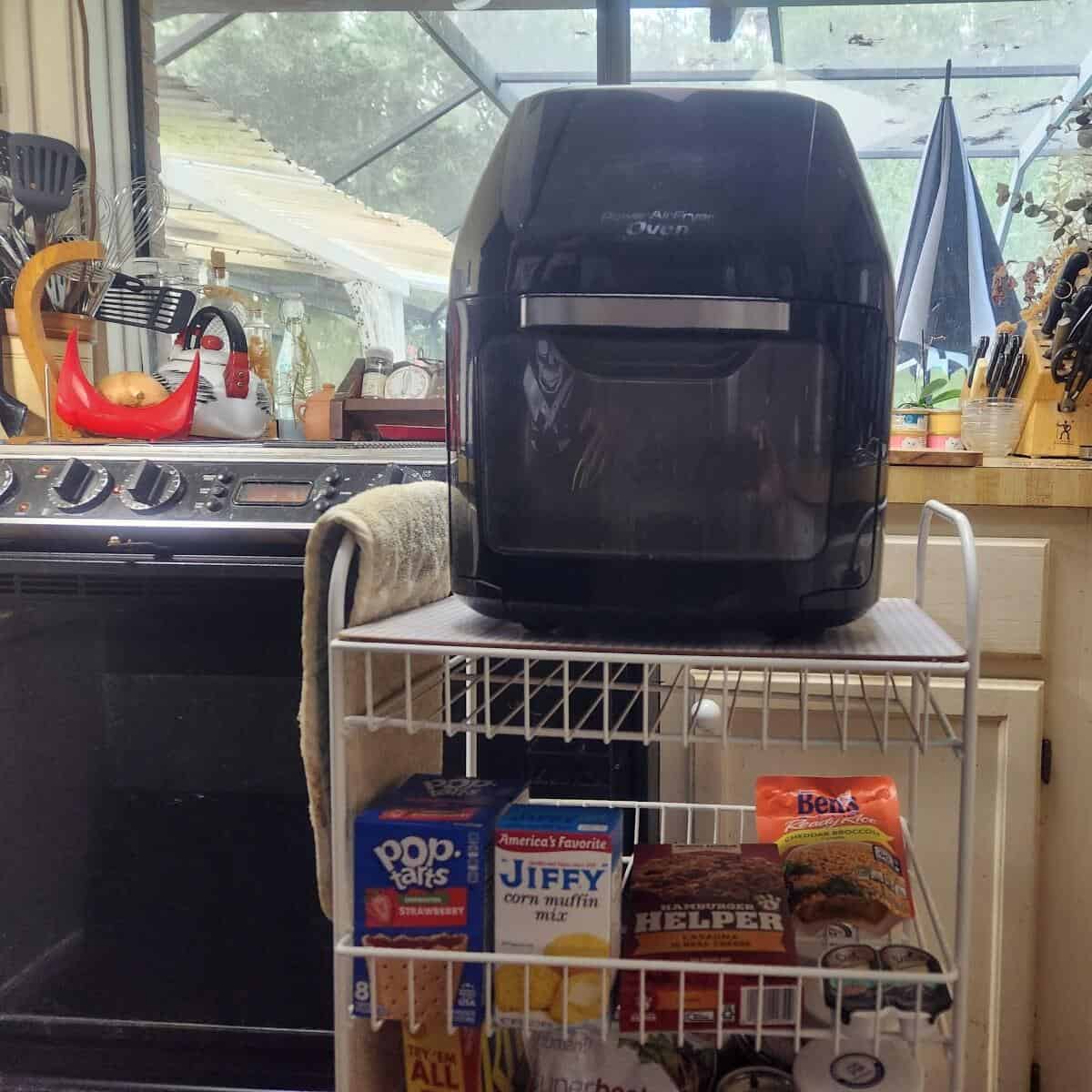
Image Source: www.alsothecrumbsplease.com
Why Air Fryer Placement Matters
More than just a handy corner, the ideal air fryer spot is a strategic decision that safeguards your kitchen, maximizes cooking performance, and extends the life of your valuable appliance.
- Safety: Improper placement can lead to burns, fires, and electrical hazards.
- Performance: Poor ventilation can cause overheating and affect cooking results.
- Longevity: Heat damage to surrounding surfaces or the air fryer itself can shorten its lifespan.
- Convenience: An easily accessible location makes you more likely to use your air fryer regularly.
Finding the Ideal Air Fryer Location
Several factors should influence your decision when determining the optimal air fryer setup. Let’s explore each of them.
1. Surface Stability and Material
The surface beneath your air fryer must be both stable and heat-resistant.
- Stability: Ensure the surface is level and can support the weight of the air fryer, especially when it’s full of food. Avoid wobbly tables or uneven countertops.
-
Material: The ideal surface is a heat-resistant surface for air fryer use like granite, quartz, ceramic tile, or a sturdy wood countertop treated with heat-resistant sealant.
- Avoid: Plastic, laminate, or other easily damaged surfaces.
- Protection: If your countertop isn’t ideal, use a heat-resistant mat or cutting board underneath the air fryer to protect it.
2. Ventilation
Air fryer ventilation is crucial. These appliances expel hot air, and restricted airflow can cause overheating and even damage to surrounding cabinets.
- Clearance: Maintain ample space around the air fryer, particularly at the back and sides. A minimum of 6 inches of clearance is generally recommended.
- Away from Walls: Ensure your air fryer distance from wall is sufficient. Don’t push the air fryer directly against a wall, as this blocks the vents.
- Under Cabinets: Avoid placing the air fryer directly under low-hanging cabinets. The rising heat and steam can damage the cabinet finish. If you must place it under a cabinet, ensure there’s at least 18 inches of clearance. Consider using a deflector to redirect the hot air away from the cabinet.
- Open Space: The best option is an open countertop area with plenty of ventilation.
3. Proximity to Electrical Outlets
Safety and convenience demand easy access to a properly grounded electrical outlet.
- Dedicated Outlet: Ideally, use a dedicated outlet for your air fryer to avoid overloading the circuit.
- Avoid Extension Cords: While occasionally permissible, avoid using extension cords whenever possible. If you must use one, ensure it’s heavy-duty and rated for the air fryer’s wattage. Never use a damaged extension cord.
- GFCI Protection: Consider using an outlet with GFCI (Ground Fault Circuit Interrupter) protection, especially if the air fryer is near a sink.
4. Distance from Water Sources
Water and electricity are a dangerous mix.
- Keep Away from Sink: Position the air fryer well away from the sink to prevent water splashes from entering the appliance.
- Avoid Humid Areas: Do not use the air fryer in excessively humid environments like bathrooms or near open windows during rain.
5. Away from Flammable Materials
This is a critical air fryer safety tips.
- Clearance from Curtains: Keep the air fryer away from curtains, drapes, and other flammable fabrics.
- Avoid Paper Products: Don’t place paper towels, cookbooks, or other paper products near the air fryer while it’s in use.
- Combustible Liquids: Keep the air fryer away from flammable liquids like cleaning solutions or aerosols.
6. Air Fryer Counter Space Considerations
Consider how often you will use the air fryer.
- Dedicated Space: If you use your air fryer frequently, designate a permanent spot on your countertop.
- Storage Options: If you use it less often, consider storing an air fryer in a cabinet or pantry when not in use.
- Accessibility: Ensure the location you choose allows you to easily access the air fryer and comfortably operate it.
- Workflow: Think about your kitchen workflow. Place the air fryer in an area where it won’t obstruct your usual cooking activities.
7. Kitchen Appliance Arrangement
How your air fryer fits into the overall kitchen appliance arrangement is important.
- Traffic Flow: Don’t place the air fryer in a high-traffic area where people might accidentally bump into it while it’s hot.
- Other Appliances: Keep it away from other heat-generating appliances like stoves or ovens to prevent overheating.
- Countertop Clutter: Be mindful of countertop clutter. A clean and organized countertop makes for a safer and more efficient cooking experience.
Air Fryer Placement: Room-by-Room Breakdown
While the kitchen is the most common location, let’s consider other possibilities.
Kitchen
- Ideal: Countertop near an outlet, away from the sink and stove, with ample ventilation.
- Considerations: Most convenient for cooking.
Dining Room
- Ideal: Buffet table or sideboard near an outlet, away from flammable decorations.
- Considerations: Useful for keeping food warm during gatherings.
Garage/Outdoor Kitchen
- Ideal: Sturdy table under a covered area with a GFCI outlet.
- Considerations: Only suitable in dry conditions. Never use an air fryer outdoors during rain or snow.
Dorm Room/Small Apartment
- Ideal: Sturdy desk or table near an outlet, away from bedding and flammable materials.
- Considerations: Ventilation is especially crucial in small spaces.
Troubleshooting Common Air Fryer Placement Problems
- Overheating: Ensure adequate ventilation. Move the air fryer away from walls and cabinets. Clean the vents regularly.
- Countertop Damage: Use a heat-resistant mat or cutting board.
- Circuit Overload: Use a dedicated outlet. Avoid using other high-wattage appliances on the same circuit.
- Limited Counter Space: Consider storing the air fryer when not in use. Explore compact air fryer models.
Maintaining Your Air Fryer for Optimal Performance
Proper maintenance extends the life of your air fryer and ensures safe operation.
- Regular Cleaning: Clean the air fryer basket and interior after each use to remove grease and food particles.
- Vent Cleaning: Periodically clean the air vents to ensure proper airflow.
- Cord Inspection: Regularly inspect the power cord for damage. Replace the cord if it’s frayed or worn.
- Follow Manufacturer’s Instructions: Always refer to the manufacturer’s instructions for specific cleaning and maintenance recommendations.
Table: Ideal Air Fryer Placement Checklist
| Feature | Ideal | Avoid |
|---|---|---|
| Surface | Stable, level, heat-resistant | Unstable, uneven, plastic, laminate |
| Ventilation | Ample space around the air fryer, away from walls | Restricted airflow, close to walls, under low cabinets |
| Electrical Outlet | Dedicated outlet, GFCI protection | Extension cords, overloaded circuits |
| Water Sources | Away from sink, dry environment | Near sink, humid environment |
| Flammable Items | Clear of curtains, paper products, flammable liquids | Near curtains, paper products, flammable liquids |
| Accessibility | Convenient location, easy to operate | Obstructed by other items, difficult to reach |
| Other Appliances | Away from other heat-generating appliances | Close to stove, oven |
| Storage (if needed) | Cool, dry place, protected from damage | Humid environment, exposed to direct sunlight, prone to pests |
Grasping Air Fryer Wattage and Electrical Safety
The wattage of your air fryer is a critical factor when choosing a location.
- Wattage Check: Locate the wattage information on the air fryer’s label (usually on the bottom or back).
- Circuit Capacity: Ensure the electrical circuit can handle the air fryer’s wattage without overloading. A typical household circuit is 15 or 20 amps.
- Formula: Watts / Volts = Amps (e.g., a 1500-watt air fryer on a 120-volt circuit draws 12.5 amps).
- Avoid Overloading: Don’t plug the air fryer into an outlet that’s already powering other high-wattage appliances.
- Symptoms of Overload: Flickering lights, tripped circuit breakers, or warm outlets can indicate an overloaded circuit.
- Professional Help: If you’re unsure about your electrical system, consult a qualified electrician.
Deciphering the Different Types of Air Fryers and Their Placement Needs
Air fryers come in various shapes and sizes, each with slightly different placement considerations.
- Basket-Style Air Fryers: The most common type. Requires sufficient space to pull out the basket.
- Oven-Style Air Fryers: Larger, often with multiple racks. Need more vertical space and may require a sturdier surface.
- Air Fryer Lids: Used on Instant Pots or pressure cookers. Requires careful placement of the base unit, considering the height of the lid when open.
- Compact Air Fryers: Ideal for small spaces. Still require adequate ventilation.
Fathoming the Benefits of Strategic Air Fryer Positioning
Strategic placement isn’t just about safety; it can also enhance your cooking experience.
- Efficiency: A well-placed air fryer streamlines your cooking process.
- Motivation: An accessible and convenient location encourages you to use the air fryer more often.
- Aesthetics: Thoughtful placement can help maintain a clean and organized kitchen.
- Safety: By following safety guidelines, you can enjoy the benefits of air frying without worry.
FAQ: Frequently Asked Questions
- Can I put my air fryer on a wooden countertop? Yes, but make sure the countertop is sealed with a heat-resistant finish. Using a heat-resistant mat is also recommended.
- What is the minimum distance an air fryer should be from the wall? A minimum of 6 inches is generally recommended for proper ventilation.
- Can I use an air fryer in a small apartment? Yes, but ensure adequate ventilation. Consider a compact model to save space.
- Is it safe to put an air fryer under a cabinet? Only if there’s sufficient clearance (at least 18 inches) and you use a deflector to redirect hot air.
- How do I clean the air fryer vents? Use a soft brush or vacuum cleaner attachment to remove dust and debris.
- What should I do if my air fryer overheats? Turn it off immediately and allow it to cool down. Check for obstructions in the vents and ensure adequate ventilation.
- Can I store my air fryer outside? No, unless it is a completely enclosed, dry outdoor kitchen.
- Is it okay to use my air fryer every day? Yes, as long as you follow safety guidelines and maintain the appliance properly.
- What type of mat should I use under my air fryer? A silicone or heat-resistant rubber mat is a good choice.
- How do I know if my outlet is overloaded? Flickering lights, tripped circuit breakers, or warm outlets can be signs of an overloaded circuit. Consult an electrician if you’re unsure.

I’m the recipe developer and food photographer behind Air Fryer at Tiffany’s. I’m also a wife, mom to two adventurous little boys, registered nurse, and live in the great Midwest. Join me as I show you new ways to use your air fryer that you never knew possible.