The purpose of an air fryer is to cook food by circulating hot air around it at high speed, creating a crispy, browned exterior similar to deep frying, but with significantly less oil. This article will explore the function of an air fryer, its many uses, and the advantages it offers over traditional cooking methods.
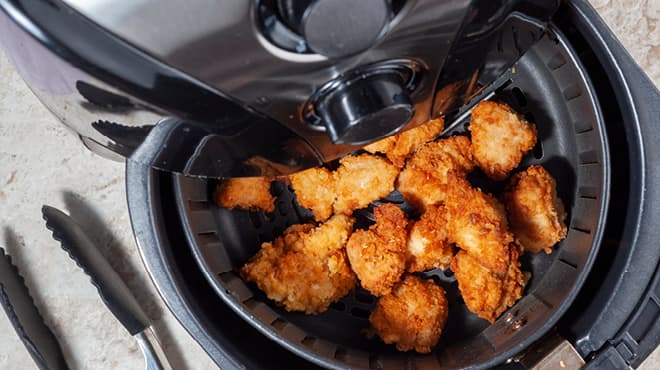
Image Source: www.mayoclinichealthsystem.org
Decoding the Air Fryer: How Does It Work?
An air fryer is a compact countertop appliance that mimics the effects of deep frying without submerging food in oil. Understanding how this healthy cooking appliance works is key to appreciating its functionality.
Air Fryer Technology Explained
At its core, an air fryer uses rapid hot air circulation, a technology sometimes called “rapid air technology.” This technology works through the following steps:
- Heating Element: A heating element, usually located near the top of the air fryer, heats the air inside the appliance.
- Powerful Fan: A powerful fan circulates the hot air around the food at high speed.
- Basket or Tray: Food is placed in a perforated basket or on a tray, allowing hot air to reach all surfaces.
- Exhaust System: An exhaust system vents out excess moisture, helping to crisp the food.
Air Frying vs Deep Frying: A Crucial Difference
The key difference between air frying and deep frying lies in the amount of oil used. Deep frying involves submerging food in hot oil, leading to a high-fat content. Air frying, on the other hand, requires little to no oil. This drastically reduces the fat content of the cooked food, making it a healthier option.
| Feature | Air Frying | Deep Frying |
|---|---|---|
| Oil Usage | Little to no oil | Submerged in oil |
| Fat Content | Significantly lower | Significantly higher |
| Calorie Content | Lower | Higher |
| Cooking Time | Generally faster | Can vary |
| Health Benefits | Healthier option | Less healthy option |
| Ease of Cleaning | Easier | More difficult |
Unveiling the Air Fryer Uses: What Can You Cook?
The versatility of an air fryer is one of its most appealing features. Its air fryer functionality allows you to cook a wide range of foods, from appetizers to main courses and even desserts.
Common Air Fryer Cooking Applications
Here are some common air fryer uses:
- Frozen Foods: Air fryers excel at cooking frozen foods like french fries, chicken nuggets, and mozzarella sticks. They achieve a crispy texture without the sogginess that can occur in a microwave.
- Vegetables: Roasting vegetables in an air fryer brings out their natural sweetness and creates a slightly charred exterior. Broccoli, Brussels sprouts, and sweet potatoes are particularly delicious.
- Meats: Air frying is an excellent way to cook meats like chicken, steak, and pork. The hot air circulation ensures even cooking and a crispy exterior.
- Seafood: Fish, shrimp, and scallops cook quickly and easily in an air fryer. The result is tender and flavorful seafood without the need for added oil.
- Baked Goods: Surprisingly, you can even bake in an air fryer! Cakes, cookies, and muffins can be baked in smaller portions.
- Reheating: Air fryers are excellent for reheating leftovers, restoring their original crispness without making them soggy.
Recipe Examples: Harnessing Air Fryer Functionality
Here are some specific examples of how to use an air fryer:
- Crispy Chicken Wings: Toss chicken wings with your favorite spices and air fry until crispy.
- Homemade French Fries: Cut potatoes into fries, toss with a little oil and seasoning, and air fry for a healthier alternative to deep-fried fries.
- Roasted Vegetables: Toss vegetables with olive oil, salt, and pepper, then air fry until tender and slightly charred.
- Salmon with Lemon: Place a salmon fillet in the air fryer with a slice of lemon and cook until flaky.
- Chocolate Chip Cookies: Bake small batches of chocolate chip cookies in the air fryer for a quick and easy dessert.
Appreciating the Air Fryer Benefits: Why Choose It?
The air fryer advantages extend beyond just healthier cooking. There are several compelling reasons to consider adding one to your kitchen.
Healthier Cooking: Reducing Fat Intake
One of the primary air fryer benefits is its ability to reduce fat intake. By using little to no oil, you can enjoy your favorite fried foods with significantly fewer calories and fat. This makes it a valuable tool for those looking to improve their diet and maintain a healthy lifestyle.
Faster Cooking Times: Saving Time and Energy
Air fryers typically cook food faster than traditional ovens. The rapid hot air circulation ensures even cooking and reduces preheating time. This can save you time and energy, especially on busy weeknights.
Ease of Use and Cleaning: A Convenient Appliance
Air fryers are incredibly easy to use. Most models have simple controls and pre-set cooking programs. Cleaning is also a breeze. Most air fryer baskets and trays are dishwasher-safe, making cleanup quick and convenient.
Versatility: More Than Just Frying
As mentioned earlier, air fryers are incredibly versatile. They can be used for various cooking tasks, from frying and roasting to baking and reheating. This makes them a valuable addition to any kitchen.
Energy Efficiency: Cost Savings
Air fryers are generally more energy-efficient than conventional ovens. They heat up quickly and require less energy to maintain the desired temperature. This can lead to cost savings on your electricity bill over time.
Maximizing Air Fryer Advantages: Tips and Techniques
To get the most out of your air fryer, it’s essential to understand some key tips and techniques.
Preheating: Getting Started Right
While some air fryers don’t require preheating, it’s generally recommended for optimal results. Preheating ensures that the air fryer is at the correct temperature before you add the food, leading to more even cooking.
Proper Food Placement: Ensuring Even Cooking
Avoid overcrowding the air fryer basket or tray. Overcrowding can prevent hot air from circulating properly, resulting in unevenly cooked food. Cook in batches if necessary.
Shaking or Flipping: Promoting Crispness
For foods like french fries or chicken wings, shaking or flipping them halfway through cooking can help ensure even crispness.
Using Oil Sparingly: Achieving the Right Texture
While air fryers require less oil than deep frying, a small amount of oil can still enhance the texture and flavor of your food. Use an oil sprayer or lightly toss food with oil before air frying.
Monitoring Cooking Time: Preventing Overcooking
Keep a close eye on the cooking time, especially when trying a new recipe. Air fryers can cook food quickly, so it’s essential to prevent overcooking.
Cleaning Regularly: Maintaining Performance
Clean your air fryer regularly to maintain its performance and prevent buildup of grease and food particles.
Comprehending Air Fryer Safety: Precautions to Take
While air fryers are generally safe to use, it’s important to follow some basic safety precautions.
Avoiding Overfilling: Preventing Hazards
Never overfill the air fryer basket or tray, as this can cause food to come into contact with the heating element.
Using Heat-Resistant Utensils: Protecting Your Appliance
Use heat-resistant utensils when handling food in the air fryer to avoid scratching the non-stick coating.
Placement: Ensuring Proper Ventilation
Place the air fryer on a stable surface with adequate ventilation to prevent overheating.
Unplugging After Use: A Simple Safety Measure
Always unplug the air fryer after use and allow it to cool completely before cleaning.
Discerning Different Air Fryer Models: Choosing the Right One
With so many air fryer models available, it can be challenging to choose the right one. Here are some factors to consider:
Capacity: Matching Your Needs
Consider the capacity of the air fryer based on the number of people you typically cook for. Smaller models are suitable for individuals or couples, while larger models are better for families.
Features: Exploring Advanced Options
Look for features like pre-set cooking programs, temperature control, and timers. Some models also come with accessories like racks and skewers.
Digital vs. Manual Controls: Deciding Your Preference
Decide whether you prefer digital or manual controls. Digital controls offer more precise temperature and time settings, while manual controls are often simpler to use.
Basket vs. Oven Style: Weighing the Pros and Cons
Choose between basket-style and oven-style air fryers. Basket-style air fryers are more compact and ideal for smaller portions, while oven-style air fryers offer more cooking space and can accommodate larger items like a whole chicken.
Brand Reputation and Reviews: Making an Informed Decision
Research different brands and read reviews before making a purchase. Look for models with positive reviews and a reputation for reliability.
Frequently Asked Questions (FAQ)
Here are some frequently asked questions about air fryers:
-
Can I use aluminum foil in an air fryer?
- Yes, you can use aluminum foil in an air fryer, but make sure it doesn’t block airflow. It’s best to use perforated foil or place food on top of the foil to weigh it down.
-
Can I put water in an air fryer?
-
No, you should not put water directly into the air fryer basket or chamber. However, some recipes may call for a small amount of water in a baking dish placed inside the air fryer.
-
What is the best oil to use in an air fryer?
-
Oils with high smoke points, such as avocado oil, canola oil, and vegetable oil, are best for air frying.
-
How do I clean my air fryer?
-
Unplug the air fryer and allow it to cool completely. Remove the basket and tray and wash them with soap and water. Wipe down the interior of the air fryer with a damp cloth. Most baskets and trays are dishwasher-safe.
-
Why is my food not getting crispy in the air fryer?
-
Make sure you’re not overcrowding the basket, using enough oil, and preheating the air fryer if necessary. Shaking or flipping the food halfway through cooking can also help.
-
Can I cook raw meat in an air fryer?
-
Yes, you can cook raw meat in an air fryer. Just be sure to check the internal temperature to ensure it’s cooked through. Use a meat thermometer for accuracy.
-
Are air fryers safe?
-
Yes, air fryers are generally safe to use as long as you follow the manufacturer’s instructions and safety precautions.
-
What are the disadvantages of air fryer?
-
Air fryers can be small in capacity, require batch cooking for larger families and some models can be noisy during operation.
-
What foods should not be cooked in an air fryer?
-
Wet batter-based foods, large roasts, and cheese-heavy items are typically not recommended for air frying.
Unlocking the secrets of the air fryer—its mission, how it works, and what it can do—empowers you to decide if this culinary marvel deserves a spot on your countertop. Boasting advantages like healthier meals, speedier prep, and effortless operation, an air fryer might just be the kitchen game-changer you’ve been seeking.

I’m the recipe developer and food photographer behind Air Fryer at Tiffany’s. I’m also a wife, mom to two adventurous little boys, registered nurse, and live in the great Midwest. Join me as I show you new ways to use your air fryer that you never knew possible.