Yes, an air fryer can cause a fire. While generally safe appliances, air fryers pose an air fryer fire risk if not used correctly or maintained properly. Several air fryer fire hazards exist, and understanding them is key to air fryer fire prevention. This article will delve into the common causes of air fryer fires, explore air fryer safety concerns, and provide actionable steps to ensure air fryer cooking safety in your kitchen. We’ll also touch upon air fryer fire statistics, air fryer burning food, air fryer electrical safety, and address common air fryer malfunctions.
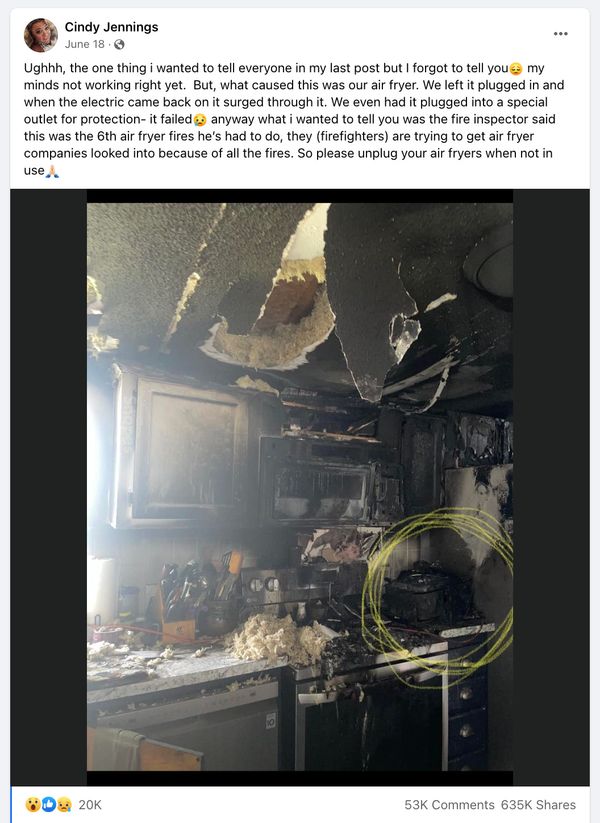
Image Source: mediaproxy.snopes.com
Common Reasons for Air Fryer Fires
Several factors can contribute to an air fryer catching fire. Here’s a breakdown of the most common culprits:
Overfilling the Basket
Putting too much food in the air fryer basket is a major air fryer fire hazard. It restricts airflow, leading to uneven cooking and air fryer overheating. Excess grease and food particles can then ignite due to the high temperature.
Grease Buildup
Air fryers cook by circulating hot air. When cooking fatty foods, grease splatters and accumulates inside the appliance. This grease is highly flammable and can easily ignite, leading to a fire. Regular cleaning is crucial to prevent this.
Cooking High-Fat Foods Improperly
Certain high-fat foods, like bacon, require extra caution. The rendered fat can splatter and ignite if the air fryer isn’t properly prepared or cleaned. It’s best to cook these foods in smaller batches and frequently empty any grease that accumulates in the bottom of the basket.
Using Incorrect Cooking Oil
While air fryers use little to no oil, sometimes a light coating is desired. However, using the wrong type of oil can create problems. Oils with low smoke points can burn and create smoke, potentially leading to a fire. Always use oils with high smoke points, such as avocado oil, canola oil, or refined olive oil.
Electrical Malfunctions
Like any electrical appliance, air fryers are susceptible to air fryer malfunctions. Damaged power cords, faulty wiring, or internal component failures can cause sparks and fires. Regular inspection and proper handling are important.
Placement Near Flammable Materials
Placing your air fryer too close to flammable materials, like curtains, paper towels, or dishcloths, is a serious fire risk. Ensure your air fryer has ample space around it and is placed on a heat-resistant surface.
Lack of Regular Cleaning
Neglecting to clean your air fryer regularly is a significant air fryer fire hazard. Food particles and grease accumulate, creating a flammable environment. A clean air fryer is a safe air fryer.
How to Minimize the Air Fryer Fire Risk
Preventing an air fryer fire is largely about using the appliance correctly and maintaining it well. Here are crucial air fryer fire prevention strategies:
Safe Usage Guidelines
- Don’t Overfill: Follow the manufacturer’s guidelines for food capacity. Overfilling restricts airflow and increases the risk of air fryer overheating.
- Use High Smoke Point Oils: If adding oil, choose oils with high smoke points to prevent burning and smoking.
- Monitor Cooking: Never leave your air fryer unattended while it’s operating. Keep a close eye on the cooking process, especially when cooking high-fat foods.
- Proper Placement: Place the air fryer on a stable, heat-resistant surface with plenty of clearance around it. Keep it away from flammable materials.
- Avoid Aerosol Sprays: Never use aerosol cooking sprays in your air fryer. These sprays often contain propellants that are flammable and can damage the air fryer’s coating.
Cleaning and Maintenance Best Practices
- Regular Cleaning: Clean your air fryer after each use. Remove the basket and pan and wash them with hot, soapy water.
- Deep Cleaning: Regularly deep clean the entire air fryer, including the heating element. Consult your manufacturer’s instructions for the best cleaning methods.
- Grease Removal: Pay special attention to removing grease buildup. Use a degreaser or baking soda paste to clean greasy areas.
- Inspect the Cord: Regularly inspect the power cord for any damage, such as fraying or cracking. If you find any damage, stop using the air fryer and have the cord repaired or replaced.
- Check for Malfunctions: If you notice any unusual noises, smells, or performance issues, stop using the air fryer and consult a qualified technician.
Recognizing Potential Air Fryer Malfunctions
Early detection of potential problems is crucial for air fryer fire prevention. Be alert for the following signs:
- Unusual Noises: Popping, crackling, or buzzing sounds can indicate electrical problems or loose components.
- Burning Smell: A persistent burning smell, even after cleaning, can signal food buildup or a malfunctioning heating element.
- Excessive Smoke: Excessive smoke, especially when cooking foods that don’t typically produce much smoke, can indicate grease buildup or air fryer overheating.
- Erratic Temperature: If the air fryer’s temperature fluctuates wildly, it may indicate a faulty thermostat or heating element.
- Sparks: Any sparks coming from the air fryer are a clear sign of an electrical problem and require immediate attention.
What to Do If an Air Fryer Catches Fire
Even with the best precautions, a fire can still occur. If your air fryer catches fire:
- Unplug the Air Fryer: If it’s safe to do so, immediately unplug the air fryer.
- Smother the Flames: If the fire is small and contained, try smothering it with a fire extinguisher designed for electrical fires (Class B or C) or by covering it with a heavy lid or blanket.
- Do Not Use Water: Never use water to extinguish an electrical fire. Water can conduct electricity and worsen the situation.
- Evacuate and Call for Help: If the fire is large or spreading, evacuate your home immediately and call the fire department.
Air Fryer Safety Features
Many modern air fryers come equipped with safety features designed to minimize the air fryer fire risk. These features may include:
- Automatic Shut-Off: This feature automatically shuts off the air fryer when the cooking time is up or when the basket is removed.
- Overheat Protection: This feature prevents the air fryer from air fryer overheating by automatically shutting it off if it reaches a dangerously high temperature.
- Cool-Touch Housing: This feature keeps the exterior of the air fryer cool to the touch, reducing the risk of burns.
While these features enhance safety, they should not be a substitute for proper usage and maintenance.
Comparative Safety: Air Fryers vs. Deep Fryers
Air fryers are generally considered safer than traditional deep fryers. Deep fryers use large quantities of hot oil, which can easily splatter and cause burns or fires. Air fryers, on the other hand, use little to no oil, reducing the risk of oil-related accidents. However, both appliances require careful use and maintenance to ensure safety.
| Feature | Air Fryer | Deep Fryer |
|---|---|---|
| Oil Usage | Little to no oil | Large quantities of oil |
| Fire Risk | Lower, but still possible | Higher due to hot oil |
| Burn Risk | Lower, due to less oil | Higher, due to splashing hot oil |
| Cleaning | Easier, less grease to clean up | More difficult, requires careful oil disposal |
| Safety Features | Often includes auto shut-off, overheat protection | May include temperature control, but fewer safety features |
Air Fryer Fire Statistics
Reliable air fryer fire statistics are difficult to obtain, as fires involving air fryers are often categorized under broader categories of kitchen appliance fires. However, anecdotal evidence and reports from fire departments suggest that air fryer fires are on the rise, likely due to the increasing popularity of these appliances. The majority of these fires are preventable with proper usage and maintenance.
Air Fryer Electrical Safety
Air fryers, like all electrical appliances, require careful handling to prevent electrical hazards. Here are some key air fryer electrical safety tips:
- Use a Dedicated Outlet: Avoid plugging your air fryer into an outlet with other high-wattage appliances. Overloading the circuit can cause a fire.
- Check the Cord Regularly: Inspect the power cord for any damage before each use. If you see any fraying, cracking, or exposed wires, stop using the air fryer and have the cord repaired or replaced.
- Avoid Extension Cords: If possible, avoid using extension cords with your air fryer. If you must use one, make sure it is a heavy-duty extension cord rated for the air fryer’s wattage.
- Don’t Submerge: Never submerge the air fryer base or power cord in water.
- Unplug When Not in Use: Unplug the air fryer when it’s not in use to prevent accidental activation and electrical surges.
Air Fryer Burning Food
While not always a fire hazard, air fryer burning food can be a sign of improper usage or a malfunctioning air fryer. Here’s what causes it and how to prevent it:
- Overcooking: Cooking food for too long or at too high a temperature can cause it to burn. Always follow recommended cooking times and temperatures.
- Uneven Cooking: If food is not properly arranged in the basket, it may cook unevenly and some parts may burn while others are undercooked.
- Grease Splatter: Grease splatter can cause food to burn, especially if the air fryer isn’t cleaned regularly.
- Malfunctioning Thermostat: A faulty thermostat can cause the air fryer to overheat and burn food.
- Sugar Content: Foods high in sugar content can burn easily in an air fryer. Reduce cooking time or temperature.
Frequently Asked Questions (FAQ)
Q: What is the most common cause of air fryer fires?
A: The most common cause is grease buildup and improper cleaning, leading to ignition of accumulated grease.
Q: Can I use aluminum foil in my air fryer?
A: It depends on your air fryer model. Check your manufacturer’s instructions. Generally, it’s best to avoid using aluminum foil directly on the bottom of the air fryer, as it can block airflow. Using it to line the basket with small holes poked for airflow is usually safe.
Q: What kind of oil is safe to use in an air fryer?
A: Use oils with high smoke points, such as avocado oil, canola oil, or refined olive oil. Avoid oils with low smoke points, like extra virgin olive oil.
Q: How often should I clean my air fryer?
A: Clean your air fryer after each use to prevent grease and food buildup. Deep clean it regularly, at least once a month, or more often if you use it frequently.
Q: Can I leave my air fryer unattended while cooking?
A: No, it’s not recommended. Always monitor your air fryer while it’s operating, especially when cooking high-fat foods.
Q: What do I do if my air fryer starts smoking?
A: If your air fryer starts smoking excessively, unplug it immediately and let it cool down. Once cooled, inspect it for grease buildup and clean it thoroughly. If the smoking persists, it may indicate a more serious problem.
Q: Is an air fryer safer than a deep fryer?
A: Generally, yes. Air fryers use little to no oil, reducing the risk of oil-related burns and fires.
By understanding the air fryer fire risk and following these air fryer fire prevention tips, you can enjoy the convenience and delicious food that air fryers offer while ensuring air fryer cooking safety in your home.

I’m the recipe developer and food photographer behind Air Fryer at Tiffany’s. I’m also a wife, mom to two adventurous little boys, registered nurse, and live in the great Midwest. Join me as I show you new ways to use your air fryer that you never knew possible.