Yes, you can dehydrate food in an air fryer, but whether it’s worth it depends on your needs and resources. While some air fryers offer a dedicated dehydrate setting, others can be used for dehydrating with some adjustments. This comprehensive guide explores the pros, cons, techniques, and recipes for air fryer dehydration, helping you decide if it’s the right method for you.
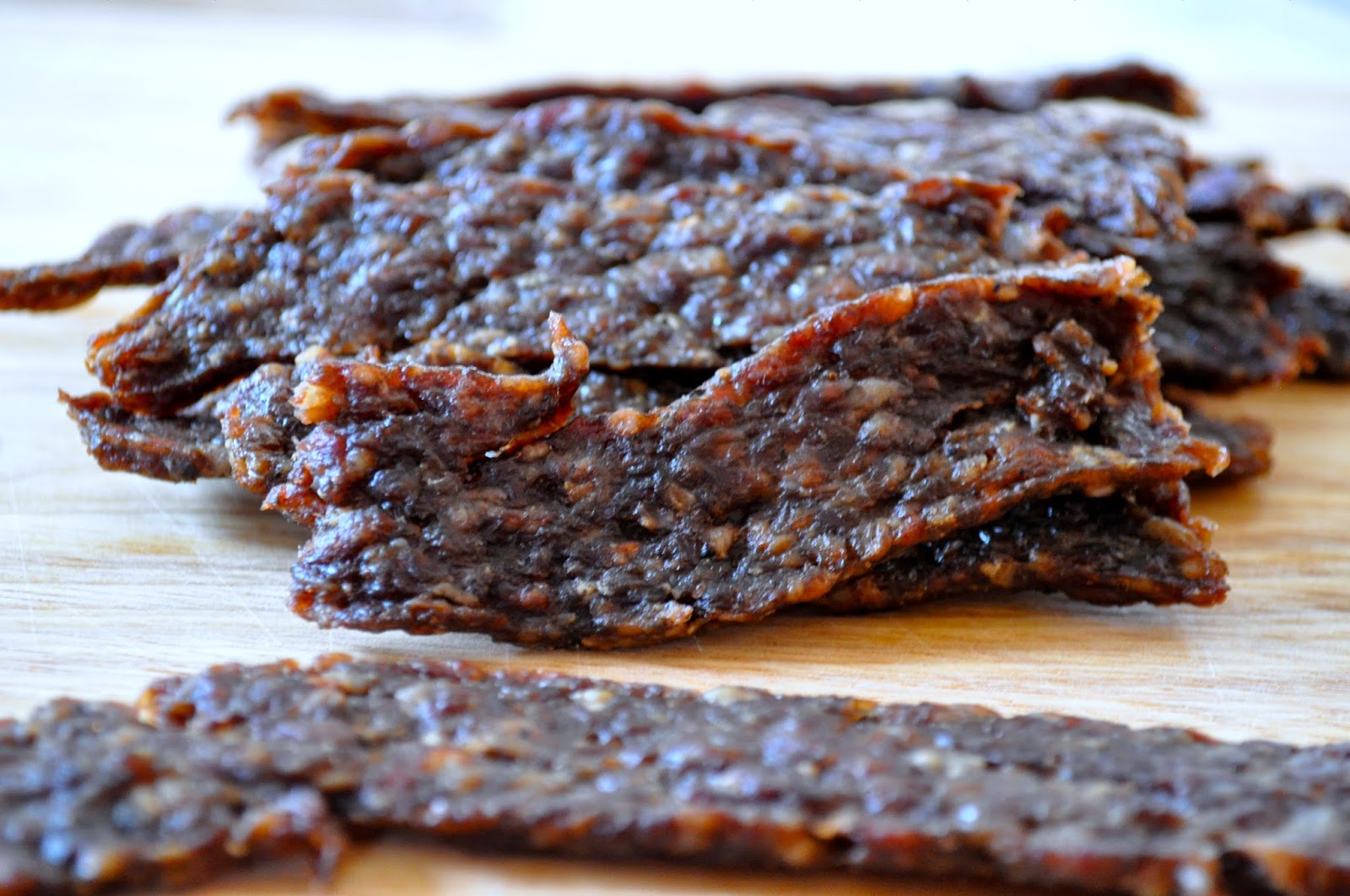
Image Source: www.uberappliance.com
What is Air Fryer Dehydration?
Transform your air fryer into a moisture-vanquishing marvel, gently coaxing water out of foods to unlock extended freshness and a longer shelf life. Just like its dedicated dehydrator cousins, this kitchen workhorse employs a whisper of low heat and a constant breeze of circulating air to transform everything from vibrant fruits and crisp vegetables to savory meats into perfectly preserved delights.
How Air Fryer Dehydration Works
The process hinges on two key elements:
- Low Heat: Gentle heat encourages moisture to evaporate without cooking the food.
- Air Circulation: A fan constantly circulates air, carrying away the evaporated moisture.
Together, these elements slowly dry the food, inhibiting the growth of bacteria and mold, which are responsible for spoilage.
Air Fryer Dehydrator: Weighing the Pros and Cons
Deciding if air fryer dehydration is right for you requires weighing the advantages and disadvantages.
Advantages of Dehydrating Food Air Fryer
- Convenience: If you already own an air fryer, it eliminates the need to purchase a separate dehydrator, saving space and money.
- Faster Dehydration Times: Air fryers often dehydrate food faster than traditional dehydrators due to their powerful fans and concentrated heating elements.
- Smaller Batches: Ideal for small families or individuals who want to dehydrate smaller quantities of food.
- Versatility: An air fryer can be used for dehydrating in addition to its primary function of air frying, making it a multi-purpose appliance.
Disadvantages of Dehydrating Food Air Fryer
- Limited Capacity: Air fryers typically have a smaller capacity compared to dedicated dehydrators, requiring multiple batches.
- Uneven Dehydration: Some air fryers may not circulate air evenly, leading to uneven drying and requiring more frequent rotation of the food.
- Temperature Control: Some air fryers lack precise low-temperature settings, making it challenging to maintain the optimal dehydration temperature.
- Not All Air Fryers Are Suitable: Not all air fryers are designed for dehydration. Some models may overheat or lack the necessary features.
- Space Considerations: Even with smaller quantities, air fryers have a small surface area which can be a problem if dehydrating bigger items.
Air Fryer Dehydrating Settings: Finding the Right Temperature and Time
Optimal air fryer dehydrating times and temperature depend on the type of food and your air fryer model. Here’s a general guideline:
| Food Type | Temperature (°F) | Time (Hours) | Notes |
|---|---|---|---|
| Fruits | 130-140°F | 6-12 | Check for leathery texture. |
| Vegetables | 125-135°F | 4-8 | Check for crispness. |
| Herbs | 95-105°F | 2-4 | Check for dryness and brittleness. |
| Meat (Jerky) | 160-165°F | 4-8 | Use lean cuts of meat; ensure internal temperature reaches 160°F to kill bacteria. |
Important Considerations:
- Refer to Your Air Fryer’s Manual: Your air fryer manual may provide specific dehydration instructions and recommended settings.
- Start Low and Slow: It’s better to start with a lower temperature and longer time to avoid overcooking or burning the food.
- Check for Doneness: Regularly check the food for doneness. It should be dry and leathery but not brittle or burnt.
- Rotation is Key: Rotate the trays or racks of your air fryer regularly to promote even dehydration.
How to Dehydrate Food With Air Fryer: A Step-by-Step Guide
Follow these steps for successful air fryer food dehydration:
- Prepare the Food: Wash and slice the food into thin, uniform pieces. Aim for slices that are about 1/8 to 1/4 inch thick.
- Pre-treat if Necessary: Some fruits and vegetables, like apples and bananas, benefit from pre-treatment to prevent browning. Dip them in lemon juice or ascorbic acid solution.
- Arrange the Food: Place the sliced food in a single layer on the air fryer basket or racks, ensuring there’s space for air circulation. Avoid overcrowding.
- Set the Temperature and Time: Set the air fryer to the appropriate temperature and time according to the type of food you’re dehydrating (refer to the table above).
- Monitor and Rotate: Check the food periodically and rotate the trays or racks every 1-2 hours to ensure even dehydration.
- Test for Doneness: Once the food appears dry, test a few pieces to ensure they are properly dehydrated. They should be leathery or crisp, depending on the type of food.
- Cool and Store: Let the dehydrated food cool completely before storing it in airtight containers.
Air Fryer Food Dehydration Recipes: Getting Started
Here are a few simple air fryer food dehydration recipes to get you started:
Air Fryer Dehydrate Fruit: Apple Chips Recipe
Ingredients:
- 2-3 apples (Gala, Fuji, or Honeycrisp work well)
- 1 tablespoon lemon juice (optional, to prevent browning)
- Cinnamon (optional, for flavor)
Instructions:
- Wash and core the apples. Slice them thinly using a mandoline or knife (about 1/8 inch thick).
- In a bowl, toss the apple slices with lemon juice (if using) and sprinkle with cinnamon (if using).
- Arrange the apple slices in a single layer on the air fryer basket or racks.
- Set the air fryer to 135°F (57°C) and dehydrate for 6-8 hours, or until the apple chips are leathery and slightly crisp.
- Rotate the trays or racks every 2 hours for even drying.
- Let the apple chips cool completely before storing them in airtight containers.
Air Fryer Dehydrate Vegetables: Kale Chips Recipe
Ingredients:
- 1 bunch kale, washed and dried
- 1 tablespoon olive oil
- 1/2 teaspoon salt
- 1/4 teaspoon garlic powder (optional)
Instructions:
- Remove the tough stems from the kale and tear the leaves into bite-sized pieces.
- In a bowl, toss the kale with olive oil, salt, and garlic powder (if using).
- Arrange the kale leaves in a single layer on the air fryer basket or racks.
- Set the air fryer to 125°F (52°C) and dehydrate for 3-5 hours, or until the kale chips are crisp.
- Rotate the trays or racks every hour for even drying.
- Let the kale chips cool completely before storing them in airtight containers.
Air Fryer Jerky Recipe
Ingredients:
- 1 pound lean beef (such as flank steak or top round), thinly sliced against the grain
- ¼ cup soy sauce
- 2 tablespoons Worcestershire sauce
- 1 tablespoon honey or brown sugar
- 1 teaspoon smoked paprika
- ½ teaspoon garlic powder
- ¼ teaspoon black pepper
- ¼ teaspoon red pepper flakes (optional)
Instructions:
- In a bowl, whisk together soy sauce, Worcestershire sauce, honey, smoked paprika, garlic powder, black pepper, and red pepper flakes (if using).
- Add the beef slices to the marinade and toss to coat. Marinate in the refrigerator for at least 4 hours, or preferably overnight.
- Remove the beef slices from the marinade and pat them dry with paper towels.
- Arrange the beef slices in a single layer on the air fryer basket or racks, ensuring they are not touching.
- Set the air fryer to 160°F (71°C) and dehydrate for 3-4 hours, or until the jerky is dry but still pliable.
- Check the jerky for doneness by bending a piece. It should crack but not break.
- Let the jerky cool completely before storing it in airtight containers.
Best Air Fryer for Dehydrating: Features to Look For
If you’re specifically looking for an air fryer to dehydrate food, consider these features:
- Dehydrate Setting: Opt for an air fryer with a dedicated dehydrate setting that allows you to set low temperatures (100-170°F).
- Wide Temperature Range: A wide temperature range provides greater flexibility for dehydrating different types of food.
- Multiple Racks: Air fryers with multiple racks allow you to dehydrate larger quantities of food at once.
- Good Air Circulation: Look for models with powerful fans and vents that ensure even air circulation for consistent dehydration.
- Digital Controls: Digital controls offer precise temperature and time settings, making it easier to achieve consistent results.
- Large Capacity: A larger capacity allows you to dehydrate more food at once, saving time and energy.
Air Fryer Dehydrating Times: Factors Affecting Dehydration
Several factors can influence air fryer dehydrating times:
- Thickness of Slices: Thicker slices take longer to dehydrate than thinner slices.
- Moisture Content: Foods with high moisture content require longer dehydration times.
- Air Fryer Model: Different air fryer models have varying heating and airflow capabilities, affecting dehydration times.
- Ambient Humidity: High humidity can slow down the dehydration process.
- Food Density: Denser food types usually take longer to dehydrate.
Tips for Success: Achieving Optimal Dehydration Results
Follow these tips for optimal air fryer dehydration:
- Use Uniform Slices: Slice food into uniform pieces to ensure even dehydration.
- Avoid Overcrowding: Arrange the food in a single layer with enough space for air circulation.
- Pre-Treat When Necessary: Pre-treat fruits and vegetables to prevent browning and preserve color.
- Monitor and Rotate Regularly: Check the food periodically and rotate the trays or racks to ensure even drying.
- Store Properly: Let the dehydrated food cool completely before storing it in airtight containers to prevent moisture buildup.
- Start Small: Begin with small batches to get a feel for your air fryer’s dehydration capabilities and adjust the time and temperature accordingly.
FAQ: Common Questions About Air Fryer Dehydration
- Can I dehydrate meat in an air fryer? Yes, you can dehydrate meat in an air fryer to make jerky. Ensure the meat is lean and that it reaches an internal temperature of 160°F (71°C) to kill bacteria.
- How long does it take to dehydrate food in an air fryer? Dehydration times vary depending on the type of food and your air fryer model. Fruits and vegetables typically take 4-12 hours, while jerky may take 3-8 hours.
- What temperature should I use to dehydrate food in an air fryer? The ideal temperature range for dehydrating food in an air fryer is 125-165°F (52-74°C), depending on the type of food.
- Is it safe to dehydrate food in an air fryer? Yes, it is safe to dehydrate food in an air fryer, as long as you follow proper food safety guidelines and ensure the food is thoroughly dehydrated.
- Can I dehydrate herbs in an air fryer? Yes, herbs can be easily dehydrated in an air fryer at low temperatures (95-105°F).
- What are the best foods to dehydrate in an air fryer? Fruits, vegetables, herbs, and lean meats are all great options for dehydrating in an air fryer.
- My food is not dehydrating properly. What am I doing wrong? Ensure you are using the correct temperature and time settings, and that the food is sliced thinly and arranged in a single layer. Also, check that your air fryer has adequate air circulation.
- How long does dehydrated food last? Properly dehydrated food can last for several months to a year when stored in airtight containers in a cool, dry place.
- Can you dehydrate fruit leather in an air fryer? While possible, it is not recommended, as fruit leather needs a flat, non-perforated surface to set properly. An air fryer’s basket or racks are not ideal.
- Is an air fryer a good substitute for a dehydrator? It can be a good substitute for smaller batches, especially if you already own one. Dedicated dehydrators offer larger capacity and more consistent results for large-scale dehydration.

I’m the recipe developer and food photographer behind Air Fryer at Tiffany’s. I’m also a wife, mom to two adventurous little boys, registered nurse, and live in the great Midwest. Join me as I show you new ways to use your air fryer that you never knew possible.