Are air fryers toxic? The short answer is: generally, no, air fryers are not inherently toxic, but certain factors related to their materials and usage can raise air fryer safety concerns. This article will delve into the science, separate fact from fiction, and give you actionable steps to enjoy air fryer cooking healthy and safely.
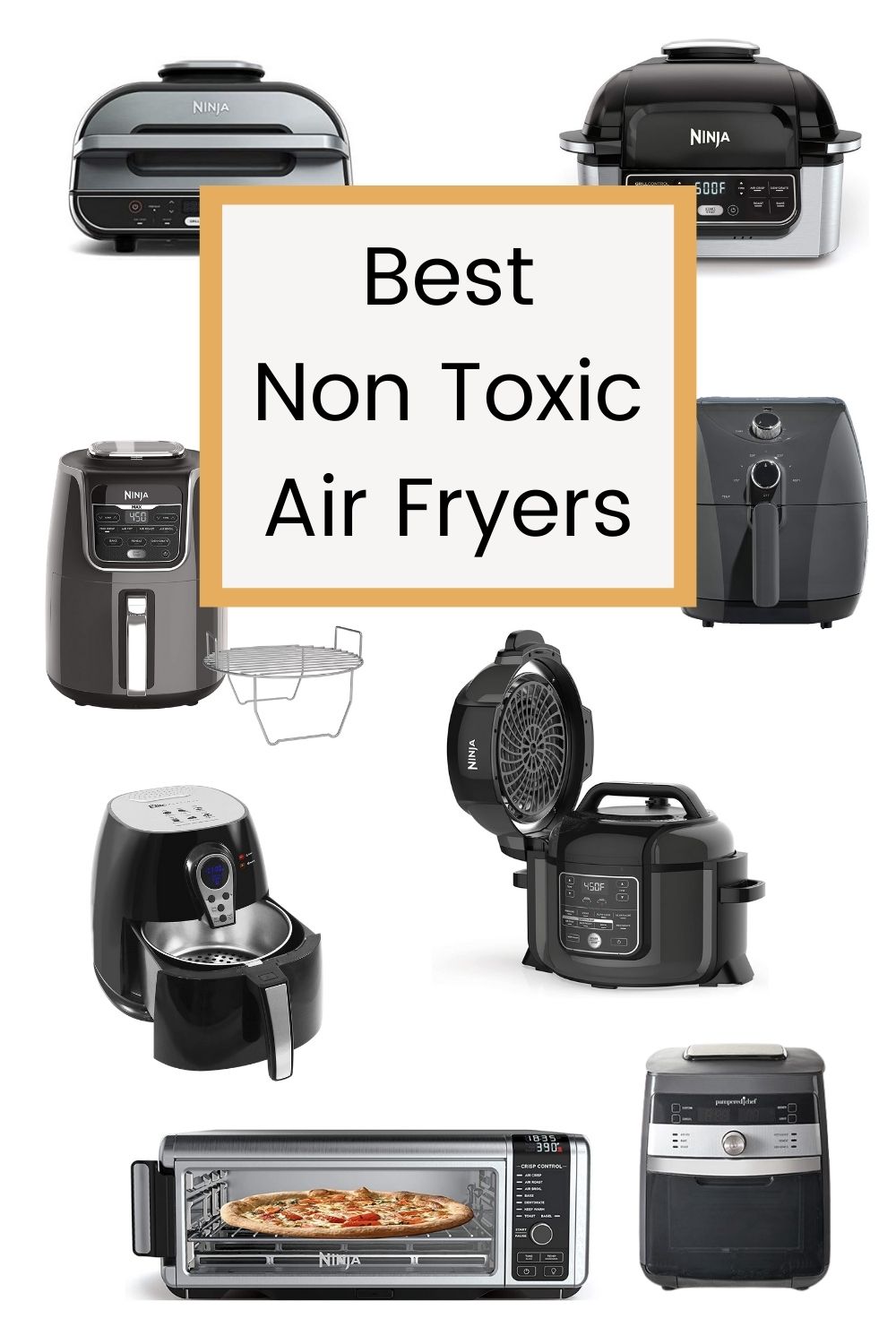
Image Source: jenuinehome.com
Decoding Air Fryer Materials and Health
Most modern air fryer safety concerns revolve around the materials used in their construction, specifically the nonstick coatings and the potential for chemical leaching at high temperatures. Let’s break down these issues.
The Nonstick Coating Question: PFOA and PTFE
Historically, air fryer nonstick coating was a major concern due to the presence of Perfluorooctanoic acid (PFOA), a chemical used in the manufacturing of Polytetrafluoroethylene (PTFE), commonly known as Teflon. PFOA was linked to various air fryer health risks, including certain types of cancer and thyroid problems.
- What is PFOA? PFOA is a man-made chemical that doesn’t break down in the environment and can accumulate in the human body.
- Is PFOA still used in air fryers? Fortunately, PFOA has been largely phased out of the production of nonstick cookware, including air fryers. Manufacturers now use alternative chemicals.
However, the use of PTFE (Teflon) itself is still prevalent. While PTFE is considered relatively stable and safe at normal cooking temperatures (below 500°F or 260°C), there are concerns about what happens when it overheats.
What Happens When PTFE Overheats?
At extremely high temperatures, PTFE can break down and release fumes. These fumes can cause polymer fume fever, a temporary flu-like illness in humans. While reaching these temperatures in an air fryer during normal use is unlikely, it’s a valid air fryer safety concern to be aware of.
- What is Polymer Fume Fever? Polymer fume fever is a temporary condition characterized by flu-like symptoms, such as chills, fever, headache, and cough, caused by inhaling fumes from overheating PTFE.
- How likely is it to happen? Very unlikely under normal cooking conditions. Most air fryers have thermostats that prevent them from reaching dangerously high temperatures.
Air Fryer Leaching Chemicals: Is it a Real Threat?
The potential for air fryer leaching chemicals into food is another air fryer safety concern. While PTFE itself is considered inert, some studies suggest that other chemicals used in the manufacturing process could leach into food, especially during initial uses or when the coating is scratched or damaged.
- What are the potential leaching chemicals? Besides PFOA (which should no longer be present), other per- and polyfluoroalkyl substances (PFAS) and other chemicals used in the nonstick coating manufacturing process could potentially leach.
- How can I minimize this risk? Proper seasoning of the air fryer basket before first use, avoiding abrasive cleaning methods, and replacing the basket if the coating is significantly damaged can minimize potential leaching.
The Stainless Steel Alternative
Many people seeking safe air fryer alternatives are turning to models with stainless steel interiors. Stainless steel is a durable, non-reactive material that doesn’t require a nonstick coating, eliminating the concerns associated with PTFE and potential leaching.
Table: Comparing Air Fryer Materials
| Material | Pros | Cons | Safety Concerns |
|---|---|---|---|
| Nonstick (PTFE) | Easy to clean, prevents food from sticking | Can release fumes at very high temperatures, potential for leaching of other chemicals, coating can scratch and degrade | PFOA (historical), Polymer Fume Fever (extreme overheating), Leaching of other chemicals, Coating degradation |
| Stainless Steel | Durable, non-reactive, no coating to degrade, easy to clean (some models), no risk of leaching | Food may stick, can be more expensive | None (when using food-grade stainless steel) |
| Ceramic | PTFE and PFOA free, good non-stick properties | Coating not as durable as PTFE, may still contain other PFAS, potential for aluminum leaching if damaged | Coating degradation, Potential aluminum leaching if damaged, possible PFAS |
Air Fryer Cancer Risk: Separating Fact from Fiction
The question of air fryer cancer risk is complex and often misunderstood. There is no direct evidence linking air fryers to an increased risk of cancer when used properly. The concern stems from:
- Acrylamide Formation: Air frying, like other high-heat cooking methods (baking, roasting, frying), can lead to the formation of acrylamide, a chemical that has been classified as a “probable human carcinogen” based on animal studies. However, the amount of acrylamide produced depends on factors like cooking time, temperature, and the type of food.
- Material Concerns: As discussed earlier, concerns about PFOA (now largely addressed) and potential leaching from nonstick coatings have contributed to anxieties about cancer risk.
- What is Acrylamide? Acrylamide is a chemical that can form in starchy foods when cooked at high temperatures.
- How can I reduce acrylamide formation? Soaking potatoes before cooking, avoiding overcooking, and cooking at lower temperatures can help reduce acrylamide formation.
Important Note: While acrylamide formation is a valid concern with any high-heat cooking method, the levels produced in air frying are often lower than those produced in traditional deep frying.
Air Fryer Materials Safety: Ensuring Your Appliance is Safe
Choosing an air fryer with air fryer materials safety in mind is crucial. Here are some factors to consider:
- Look for PFOA-free and BPA-free certifications: Ensure that the air fryer you choose is certified to be free of PFOA and BPA.
- Consider stainless steel models: If you are concerned about nonstick coatings, opt for an air fryer with a stainless steel interior.
- Check for third-party safety certifications: Look for certifications from reputable organizations like UL, ETL, or CSA, which indicate that the appliance has been tested for safety.
- Read reviews: Research customer reviews to see if other users have reported any issues with the air fryer’s materials or safety.
Air Fryer Usage Precautions: Using Your Air Fryer Safely
Even with a safe air fryer, following proper air fryer usage precautions is essential:
- Never overcrowd the basket: Overcrowding can prevent food from cooking evenly and can also increase the risk of acrylamide formation.
- Avoid cooking very fatty foods: While air frying is generally healthier than deep frying, cooking very fatty foods can still lead to the formation of harmful compounds.
- Clean the air fryer regularly: Regular cleaning prevents the buildup of grease and food particles, which can be a fire hazard.
- Don’t use damaged baskets: If the nonstick coating on your air fryer basket is significantly scratched or damaged, replace it to minimize the risk of leaching.
- Ensure adequate ventilation: Use your air fryer in a well-ventilated area to prevent the buildup of fumes.
- Follow manufacturer’s instructions: Always follow the manufacturer’s instructions for usage and maintenance.
Air Fryer Cooking Healthy: Maximizing the Health Benefits
Beyond safety, air fryer cooking healthy also means optimizing your cooking practices:
- Choose healthy oils: When using oil, opt for healthy oils like olive oil, avocado oil, or coconut oil. Use oil sparingly.
- Focus on whole, unprocessed foods: Air frying is a great way to cook vegetables, lean proteins, and whole grains.
- Control portion sizes: Air frying can make it easy to overeat, so be mindful of portion sizes.
- Experiment with spices and herbs: Use spices and herbs to add flavor without adding unhealthy fats or calories.
- Avoid pre-packaged, processed foods: While convenient, pre-packaged foods often contain high levels of sodium, sugar, and unhealthy fats.
Fathoming Potential Downsides
While air fryers offer a convenient and often healthier alternative to deep frying, it’s important to acknowledge potential downsides:
- Not a replacement for all cooking methods: Air frying excels at certain types of cooking (e.g., crispy foods, reheating), but it’s not ideal for everything (e.g., soups, sauces).
- Can be noisy: Some air fryers can be quite noisy during operation.
- Takes up counter space: Air fryers can be bulky appliances, so consider storage space when choosing a model.
- Some foods dry out easily: Certain foods, especially those with low moisture content, can dry out during air frying.
- Learning curve: Mastering air frying techniques and adjusting cooking times can take some experimentation.
The Bottom Line
Air fryers are not inherently toxic, and can even be a healthful way to cook. By choosing an air fryer made with safe materials, following proper usage precautions, and practicing healthy cooking habits, you can enjoy the benefits of air frying without unnecessary risks. The primary air fryer safety concerns revolve around the materials used and how you operate your appliance. Be informed, be cautious, and enjoy your air-fried food!
Frequently Asked Questions (FAQ)
Q: Can I use metal utensils in my air fryer?
A: It’s generally not recommended to use metal utensils in an air fryer with a nonstick coating, as they can scratch and damage the coating. Opt for silicone or wooden utensils instead.
Q: How often should I clean my air fryer?
A: You should clean your air fryer after each use to prevent the buildup of grease and food particles.
Q: What is the best temperature to cook at in an air fryer?
A: The best temperature depends on the food you are cooking. Refer to recipes and manufacturer’s instructions for guidance.
Q: Are air fryers energy efficient?
A: Yes, air fryers are generally more energy efficient than conventional ovens because they heat up quickly and cook food faster.
Whether aluminum foil is a good idea in your air fryer is a bit of a toss-up, hinging on your specific appliance. Some makers flat-out say no, as a stray piece can easily clog the vital air passages. If you absolutely must use foil, make certain it’s anchored down and isn’t hindering the free flow of air, but honestly, parchment paper is usually the smoother, safer bet.

I’m the recipe developer and food photographer behind Air Fryer at Tiffany’s. I’m also a wife, mom to two adventurous little boys, registered nurse, and live in the great Midwest. Join me as I show you new ways to use your air fryer that you never knew possible.