Do air fryers contain Teflon? The answer is that some do, but many don’t. Whether or not an air fryer contains Teflon, or more accurately PTFE (Polytetrafluoroethylene), depends on the brand and model. While PTFE provides a nonstick surface for easier cooking and cleaning, it’s important to be aware of potential health concerns and to know about Teflon alternatives for air fryers.
This comprehensive guide will explore the presence of Teflon in air fryers, discuss the safety of Teflon, and highlight safer alternatives for those seeking non-toxic air fryer options.
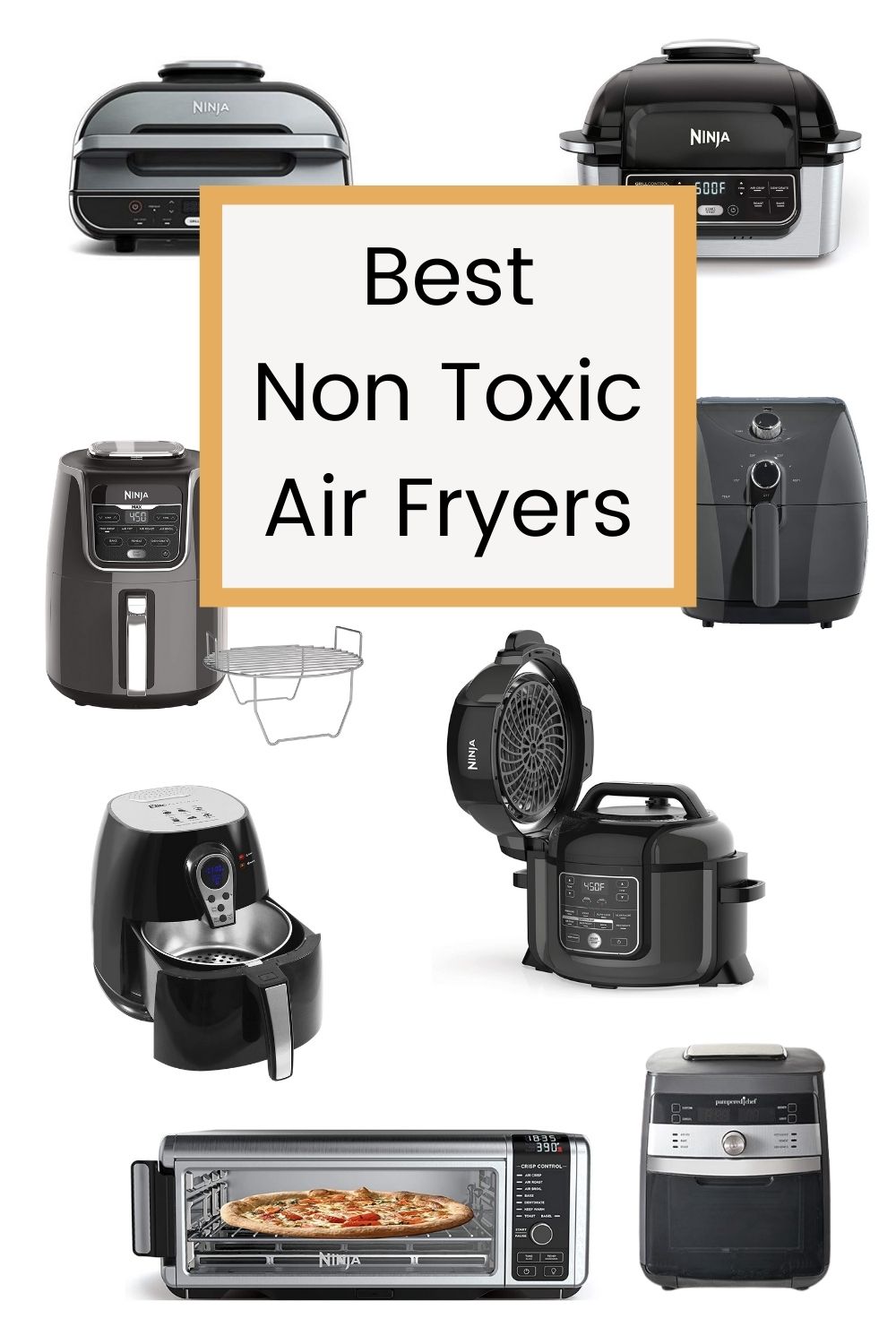
Image Source: jenuinehome.com
Teflon in Air Fryers: What Is It?
Many air fryers use a nonstick coating on their baskets and trays to prevent food from sticking. This air fryer nonstick surface is often made with PTFE, a synthetic fluoropolymer. PTFE is known for its excellent nonstick properties and resistance to heat. Teflon is a brand name for PTFE, manufactured by Chemours (formerly DuPont).
Why is PTFE Used?
- Nonstick Properties: PTFE is incredibly effective at preventing food from sticking, making cooking and cleanup much easier.
- Heat Resistance: It can withstand high temperatures commonly reached in air fryers.
- Durability: When properly applied and cared for, PTFE coatings can last for a reasonable amount of time.
Air Fryer Coating Material: Not Just Teflon
While Teflon is the most well-known brand name, many other brands also produce PTFE coatings. These coatings all share similar properties and potential concerns. Knowing the air fryer material composition is key to making informed choices.
PTFE in Air Fryers: Addressing the Concerns
While PTFE offers several benefits, it’s also associated with health concerns, particularly when overheated.
Air Fryer Health Concerns: What’s the Risk?
The main concern with PTFE is the release of potentially harmful fumes when heated above 500°F (260°C). This process, called polymer fume fever, can cause flu-like symptoms in humans. These symptoms are usually temporary.
PFOA Air Fryer Safety: The Backstory
Previously, another chemical called PFOA (Perfluorooctanoic acid) was used in the manufacturing of PTFE. PFOA was linked to several health problems, including cancer and thyroid issues. However, PFOA has been phased out of PTFE production in the United States and other countries.
Is Your Air Fryer Safe?
- Check the Manufacturer’s Instructions: Always follow the manufacturer’s guidelines for using and caring for your air fryer.
- Avoid Overheating: Never preheat the air fryer for extended periods without food inside, and avoid temperatures above 400°F (204°C) unless necessary.
- Proper Ventilation: Use your air fryer in a well-ventilated area to minimize the risk of inhaling any fumes.
- Inspect the Coating: Regularly check the nonstick coating for scratches or damage. If the coating is significantly damaged, consider replacing the air fryer.
Teflon Free Air Fryer Options: Exploring Safer Alternatives
If you’re concerned about the potential risks of PTFE, several Teflon alternatives air fryer models are available. These alternatives offer nonstick performance without the use of PTFE or PFOA.
Ceramic Air Fryer: A Popular Choice
Ceramic coatings are a common alternative to PTFE. They are generally considered safer because they don’t contain PTFE or PFOA.
Benefits of Ceramic Air Fryers:
- PTFE and PFOA-Free: Ceramic coatings are free of these potentially harmful chemicals.
- Good Nonstick Performance: Ceramic offers decent nonstick properties, although it may not be as durable as PTFE.
- Easy to Clean: Ceramic surfaces are generally easy to clean.
Drawbacks of Ceramic Air Fryers:
- Durability: Ceramic coatings can be more prone to chipping and scratching than PTFE.
- Lifespan: The nonstick properties of ceramic coatings may degrade over time.
- Cost: Ceramic air fryers can sometimes be more expensive than PTFE-coated models.
Stainless Steel Air Fryers
Some air fryers feature stainless steel baskets and interiors. While stainless steel isn’t inherently nonstick, it is a durable and safe material.
Benefits of Stainless Steel Air Fryers:
- Durable: Stainless steel is very durable and resistant to scratches and damage.
- Safe: It doesn’t contain PTFE, PFOA, or other harmful chemicals.
- Easy to Clean: Stainless steel is relatively easy to clean.
Drawbacks of Stainless Steel Air Fryers:
- Not Nonstick: Food may stick to the surface, requiring more oil or cooking spray.
- Cleaning: Cleaning can be more difficult than with nonstick surfaces.
Other Materials
Some air fryers use alternative coatings or materials, such as enamel or silicone. These options may offer different levels of nonstick performance and durability. Always research the specific materials used and their safety.
Choosing the Right Air Fryer: Factors to Consider
When selecting an air fryer, keep these factors in mind:
- Material: Decide whether you prefer PTFE, ceramic, stainless steel, or another material.
- Size: Choose a size that fits your needs. Consider how many people you typically cook for.
- Features: Look for features like temperature control, timers, and preset cooking programs.
- Price: Air fryers range in price from budget-friendly to high-end. Set a budget and find an air fryer that meets your needs within that range.
- Reviews: Read online reviews to get feedback from other users about the air fryer’s performance, durability, and ease of use.
Air Fryer Non Toxic: Finding the Safest Option
If safety is your top priority, prioritize air fryers with stainless steel interiors or ceramic coatings that are certified PTFE and PFOA-free. Research the manufacturer and look for independent certifications to ensure the air fryer meets safety standards.
Caring for Your Air Fryer
Proper care can extend the life of your air fryer and minimize potential health risks.
- Follow Manufacturer’s Instructions: Always follow the manufacturer’s recommendations for cleaning and maintenance.
- Avoid Abrasive Cleaners: Don’t use abrasive cleaners or scouring pads, as they can damage the nonstick coating.
- Hand Washing: Hand washing is generally recommended for air fryer baskets and trays to preserve the nonstick coating.
- Avoid Metal Utensils: Use wooden or silicone utensils to avoid scratching the nonstick surface.
- Regular Inspection: Regularly inspect the nonstick coating for damage.
Comparing Air Fryer Coating Options: A Quick Reference Table
| Coating Type | Contains PTFE/Teflon | PFOA-Free | Nonstick Performance | Durability | Safety Concerns |
|---|---|---|---|---|---|
| PTFE (Teflon) | Yes | Yes | Excellent | Good | Potential fume release at high temperatures (>500°F) |
| Ceramic | No | Yes | Good | Fair | Generally considered safe |
| Stainless Steel | No | Yes | Poor | Excellent | Safe |
Frequently Asked Questions (FAQ)
Q: Is it safe to use an air fryer with a Teflon coating?
A: Yes, if used properly. Avoid overheating the air fryer above 500°F (260°C) and ensure proper ventilation. PFOA is no longer used in the production of Teflon, addressing previous health concerns.
Q: How do I know if my air fryer has Teflon?
A: Check the manufacturer’s website or the product packaging. The description will usually mention whether the nonstick coating is made of PTFE or Teflon.
Q: What temperature is Teflon toxic in an air fryer?
A: Teflon starts to degrade and release potentially harmful fumes at temperatures above 500°F (260°C).
Q: Can I replace the basket of my air fryer if the coating is damaged?
A: In many cases, yes. Check with the manufacturer to see if replacement baskets are available for your specific model.
Q: Are ceramic air fryers better than Teflon air fryers?
A: It depends on your priorities. Ceramic air fryers are PTFE and PFOA-free, making them a safer option for some. However, Teflon (PTFE) coatings are often more durable and offer better nonstick performance.
Q: Are all ceramic air fryers truly non-toxic?
A: While ceramic is generally considered safer, it’s always a good idea to research the specific brand and look for certifications that confirm the absence of harmful chemicals. Some ceramic coatings may contain other additives.
Q: What should I do if I accidentally overheated my Teflon air fryer?
A: Turn off the air fryer, ventilate the area, and avoid breathing in the fumes. If you experience flu-like symptoms, consult a doctor.
Q: How can I make stainless steel air fryer baskets less sticky?
A: Use a generous amount of oil or cooking spray to prevent food from sticking. You can also try lining the basket with parchment paper specifically designed for air fryers.
Q: What are some tips for cleaning my air fryer basket?
A: Soak the basket in warm, soapy water to loosen food particles. Use a soft sponge or brush to clean the surface. Avoid abrasive cleaners or scouring pads.
Q: Where can I find more information about the safety of PTFE and PFOA?
A: Consult reputable sources such as the Environmental Protection Agency (EPA) and the American Cancer Society.
Conclusion
Selecting the right air fryer is a quest for the perfect blend of ease, effectiveness, and peace of mind. Though PTFE coatings deliver unparalleled nonstick prowess, a discerning eye for potential health implications and proper usage is key. For those seeking an escape from PTFE and PFOA, ceramic and stainless steel present compelling, safer avenues. By delving into material makeup, feature sets, and fellow users’ insights, you can unearth an air fryer that not only caters to your culinary ambitions but also guarantees a secure and delightful cooking journey. Adhering strictly to the manufacturer’s wisdom and dedicating thoughtful care will ensure your appliance stands the test of time and keeps any lurking risks at bay.

I’m the recipe developer and food photographer behind Air Fryer at Tiffany’s. I’m also a wife, mom to two adventurous little boys, registered nurse, and live in the great Midwest. Join me as I show you new ways to use your air fryer that you never knew possible.