Yes, many air fryers do have Teflon, or similar non-stick coatings. This article explores if the air fryer teflon coating presents a risk, what the air fryer coating health risks are, and what safer, teflon free air fryer options exist, including ceramic air fryers and stainless steel air fryers. It also delves into the science behind these coatings and practical tips for air fryer safety.
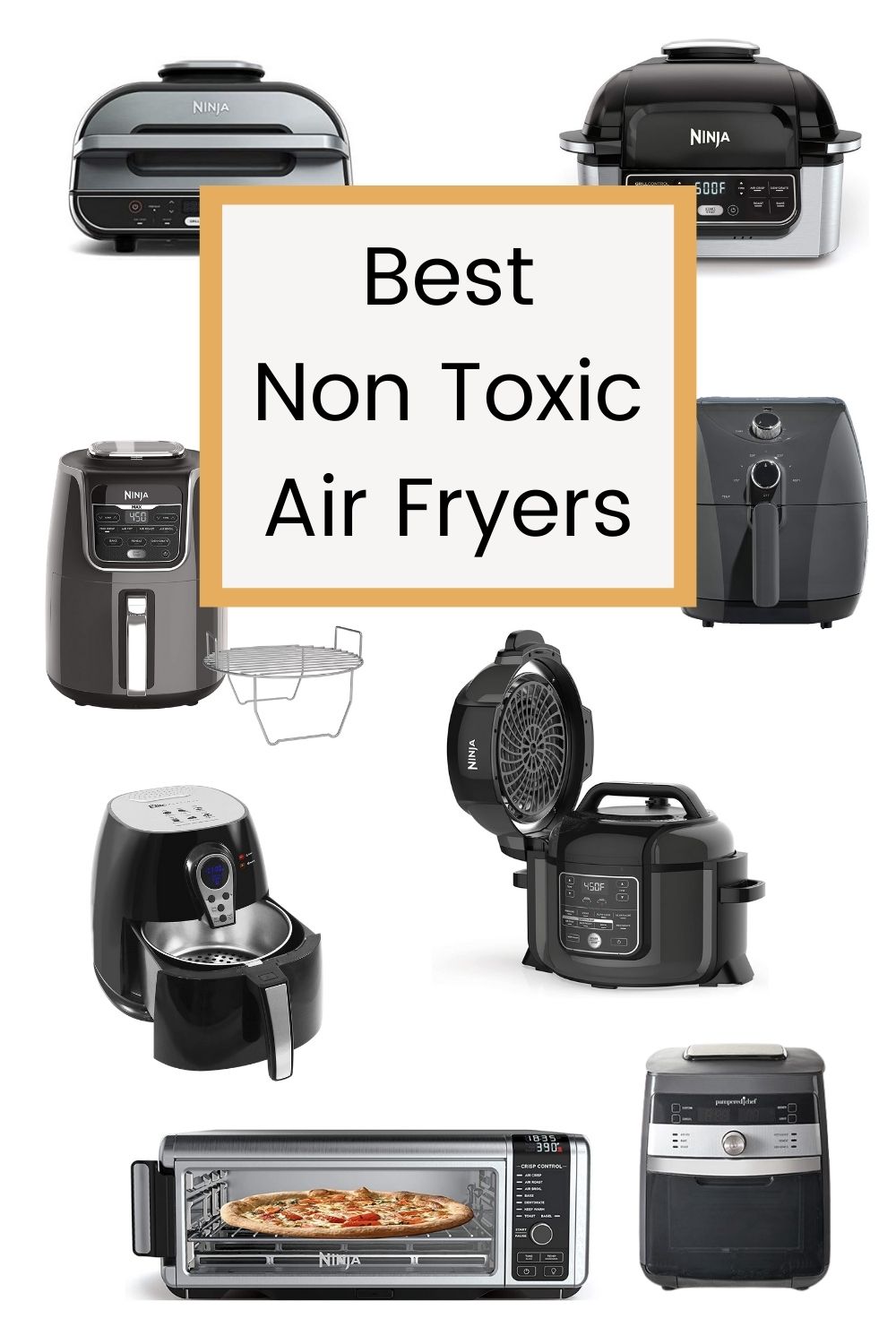
Image Source: jenuinehome.com
What is Teflon, and Why is it Used?
Teflon is the brand name for polytetrafluoroethylene (PTFE), a synthetic fluoropolymer. You can also find it used with different names. It’s known for its non-stick properties, making it ideal for cookware and air fryers. Food doesn’t stick, cleanup is easy, and it seems like a win-win.
The Allure of Air Fryer Non Stick Coatings
The appeal of an air fryer non stick surface is obvious. No more scrubbing burnt food! It’s a quick and convenient way to cook your favorite foods. This ease of use has fueled the popularity of air fryers globally.
Decoding PTFE and Air Fryer PFAS
PTFE belongs to a larger family of chemicals called per- and polyfluoroalkyl substances (air fryer PFAS). PFAS are man-made chemicals that don’t break down easily in the environment or the human body.
Is Teflon Safe? The Concerns Surrounding Air Fryer Teflon Coating
While Teflon itself is generally considered safe at normal cooking temperatures (below 500°F or 260°C), concerns arise when it overheats.
When Air Fryer PTFE Breaks Down
At high temperatures, the air fryer PTFE coating can break down, releasing fumes and particles into the air. These fumes can cause polymer fume fever, a temporary flu-like illness. While generally not life-threatening, it can be unpleasant.
Air Fryer Coating Health Risks: The PFAS Connection
The real worry lies with air fryer PFAS. Historically, the manufacturing of Teflon involved perfluorooctanoic acid (PFOA), another type of PFAS. PFOA has been linked to various health problems, including:
- Certain cancers
- Thyroid disorders
- Immune system issues
- Developmental problems
Although PFOA is now largely phased out of Teflon production, the concern about other PFAS remains.
Risks from Scratched or Damaged Air Fryer Non Stick Surfaces
A damaged air fryer non stick surface poses a higher risk. Scratches and chips can expose the metal underneath and potentially release more particles into your food.
Choosing Safer Options: Teflon Free Air Fryer Alternatives
If you’re concerned about Teflon, many teflon free air fryer options exist. These alternatives offer different materials with their own pros and cons.
Stainless Steel Air Fryer: A Durable Choice
Stainless steel is a popular choice for those seeking a durable and safe air fryer.
- Pros:
- Durable and long-lasting
- Doesn’t contain PFAS
- Resistant to scratches
- Easy to clean (though food may stick more)
- Cons:
- Food can stick, requiring more oil or parchment paper
- Can be more expensive than Teflon-coated models
- May require preheating to prevent sticking
Ceramic Air Fryer: A Popular Alternative
Ceramic coatings are another option, often marketed as “PTFE-free” and “PFOA-free.”
- Pros:
- Generally considered safer than Teflon
- Provides a non-stick surface (though less durable than Teflon)
- Free of PFAS
- Cons:
- The coating can degrade over time
- May not be as scratch-resistant as stainless steel
- Some ceramic coatings may contain nanoparticles, which raise separate health concerns
Other Alternative Air Fryer Surfaces
Besides stainless steel and ceramic, other materials are sometimes used:
- Glass: Rarely used for the basket itself, but sometimes for the viewing window. Inert and safe.
- Enamel: Can be used as a coating. Durable but can chip.
Fathoming Air Fryer Safety: Best Practices
Regardless of the type of air fryer you choose, following these safety tips is crucial:
- Avoid Overheating: Don’t exceed recommended cooking temperatures.
- Don’t Preheat Excessively: Excessive preheating can cause the coating to break down faster.
- Use Proper Utensils: Avoid metal utensils that can scratch the non-stick surface. Opt for silicone or wooden tools.
- Clean Carefully: Use a soft sponge and mild detergent. Avoid abrasive cleaners.
- Inspect Regularly: Check the coating for scratches or damage. If damaged, consider replacing the air fryer.
- Ensure Good Ventilation: Cook in a well-ventilated area to minimize exposure to any potential fumes.
Comparing Air Fryer Coatings: A Quick Guide
| Feature | Teflon (PTFE) | Stainless Steel | Ceramic |
|---|---|---|---|
| Non-Stick | Excellent | Poor (requires oil/paper) | Good (but degrades) |
| Durability | Moderate | Excellent | Moderate |
| Safety Concerns | PFAS, overheating fumes | None | Potential nanoparticle concerns |
| Scratch Resistance | Low | High | Moderate |
| Cost | Generally lower | Higher | Moderate |
| Cleaning | Easy | Moderate | Easy |
Maintaining Your Air Fryer for Longevity
Proper maintenance can extend the life of your air fryer and minimize potential risks:
- Regular Cleaning: Clean after each use to prevent food buildup.
- Avoid Harsh Chemicals: Use mild soap and water.
- Proper Storage: Store carefully to prevent scratches.
- Follow Manufacturer’s Instructions: Adhere to the manufacturer’s guidelines for use and care.
Air Fryer PFAS Exposure: Minimizing Your Risk
Here are extra steps to reduce potential PFAS exposure:
- Choose Certified PFAS-Free Products: Look for certifications from reputable organizations.
- Filter Your Water: Consider using a water filter that removes PFAS.
- Be Mindful of Other Sources: PFAS can be found in many products, including food packaging and personal care items.
Frequently Asked Questions (FAQ)
Q: What is polymer fume fever?
A: Polymer fume fever is a temporary flu-like illness caused by inhaling fumes released when Teflon overheats.
Q: Can I repair a scratched air fryer Teflon coating?
A: No, you cannot repair a scratched Teflon coating. Once scratched, it’s best to replace the appliance.
Q: What temperature is too high for a Teflon air fryer?
A: Avoid exceeding 500°F (260°C).
Q: Are ceramic air fryers completely safe?
A: Ceramic air fryers are generally considered safer than Teflon, but some concerns exist about the potential release of nanoparticles.
Q: Can I put aluminum foil in my air fryer?
A: Yes, you can put aluminum foil in an air fryer but with care. Make sure it doesn’t block airflow and is weighed down by food to prevent it from being sucked into the heating element.
Q: How often should I replace my air fryer?
A: Replace your air fryer when the non-stick coating is visibly damaged, or if you notice any signs of degradation. If you are using a stainless steel air fryer, it should last for many years with proper care.
Q: What are the best utensils to use with an air fryer?
A: Silicone or wooden utensils are best to avoid scratching the non-stick surface.
Q: Who is responsible for regulating PFAS in air fryers?
A: Regulatory oversight of PFAS in consumer products varies by region. In the US, the EPA is working to address PFAS contamination. Look for certifications that indicate the air fryer has been tested and meets specific safety standards.
Final Thoughts: Informed Choices for Safer Cooking
Beyond the undeniable ease of air frying, it’s paramount to navigate the potential pitfalls of Teflon coatings. Opting for cooking surfaces like stainless steel or ceramic, adhering to safety guidelines, and keeping abreast of PFAS concerns allows for a more wholesome and anxiety-free culinary experience. The most effective strategy involves thoughtful research to select an air fryer that perfectly suits your health priorities and daily routine.

I’m the recipe developer and food photographer behind Air Fryer at Tiffany’s. I’m also a wife, mom to two adventurous little boys, registered nurse, and live in the great Midwest. Join me as I show you new ways to use your air fryer that you never knew possible.