Can you use glass in an air fryer? The short answer is: it depends. Not all glass is created equal, and using the wrong type of glass in your air fryer could be dangerous. This article will tell you which types of glass cookware are air fryer safe, which aren’t, and what you need to consider before air frying with glass.
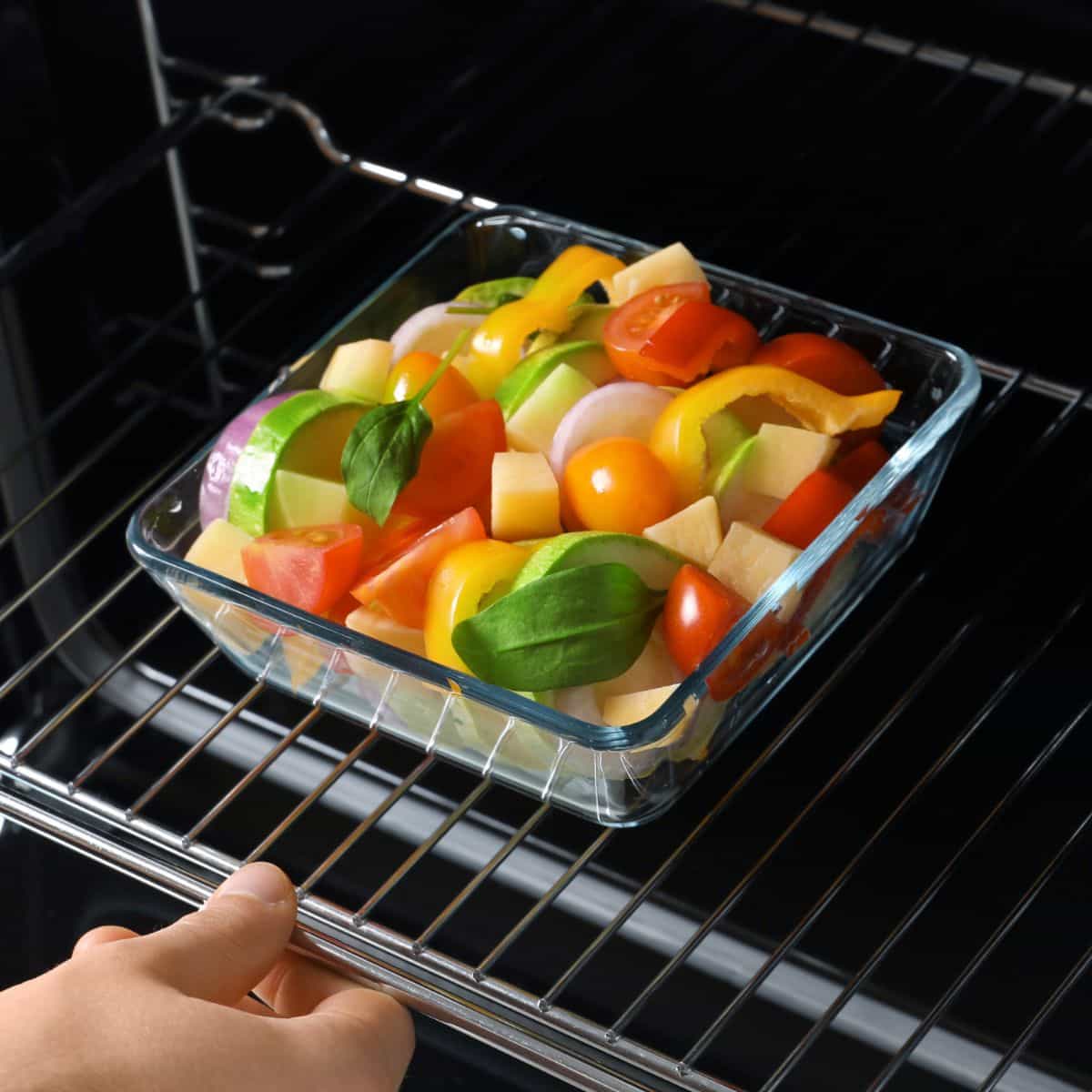
Image Source: www.alsothecrumbsplease.com
Fathoming Air Fryer Compatibility with Glass Cookware
Air fryers are popular because they cook food quickly and with less oil. They work by circulating hot air around the food. While convenient, the rapid temperature changes and intense heat can be problematic for some materials, especially glass.
Air Fryers and Temperature Considerations
Air fryers can reach temperatures of 400°F (200°C) or higher. This extreme heat puts stress on glass, and some types of glass aren’t built to handle it. When glass is exposed to rapid temperature changes (thermal shock), it can crack or even shatter.
Why is Air Fryer Safe Glass Important?
- Safety: Shattered glass can cause injuries.
- Damage to Your Air Fryer: A shattered bowl can damage the heating element or fan of your air fryer.
- Food Contamination: Glass shards can contaminate your food.
Air Fryer Safe Glass Types
Some types of glass are designed to withstand high temperatures and rapid temperature changes. These are generally safe for use in air fryers, with precautions.
Borosilicate Glass Air Fryer Usage
Borosilicate glass is known for its excellent thermal shock resistance. It contains boron trioxide, which reduces the glass’s expansion coefficient. This means it expands less when heated, making it less likely to crack.
- Characteristics: High heat resistance, good thermal shock resistance, often used in laboratory glassware and ovenware.
- Air Fryer Suitability: Generally safe, but always check the manufacturer’s instructions.
Tempered Glass in Air Fryer: A Cautious Approach
Tempered glass is strengthened through a heat treatment process. This makes it more durable than regular glass, but it is still susceptible to thermal shock. If tempered glass breaks, it shatters into small, relatively harmless pieces, rather than sharp shards.
- Characteristics: More durable than regular glass, shatters into small pieces, moderate heat resistance.
- Air Fryer Suitability: Use with caution. Avoid sudden temperature changes. Preheat the air fryer gradually.
Oven-Safe Glass in Air Fryer: Is it Always OK?
If a glass dish is labeled “oven-safe,” it usually means it can withstand high temperatures. However, it’s crucial to check the maximum temperature rating. Air fryers can exceed the temperature rating of some oven-safe glass. Also, “oven-safe” doesn’t guarantee thermal shock resistance.
- Characteristics: Designed for oven use, varying heat resistance, may not be thermal shock resistant.
- Air Fryer Suitability: Check the temperature rating and avoid sudden temperature changes. Gradual preheating is vital.
Air Fryer Glass Dish: Specific Considerations
Some manufacturers offer glass dishes specifically designed for air fryers. These are typically made from borosilicate glass or a specially treated tempered glass. Always follow the manufacturer’s instructions.
- Characteristics: Designed for air fryer use, often borosilicate or treated tempered glass, varying shapes and sizes.
- Air Fryer Suitability: Generally safe if used as directed. Always read the instructions!
Glass Types to Avoid in Air Fryers
Some types of glass are never safe to use in an air fryer.
- Regular Glass: Regular glass, like that used in drinking glasses or windows, is highly susceptible to thermal shock and will likely shatter.
- Crystal: Crystal contains lead, which can leach into food at high temperatures. It is also not very heat resistant.
- Thin Glass: Thin glass is more prone to cracking and shattering than thicker glass.
Can You Use Glass in Air Fryer? Safety Tips
Even with air fryer-safe glass, follow these safety tips to prevent accidents:
- Read the Manufacturer’s Instructions: Always check the manufacturer’s instructions for both the glass dish and the air fryer.
- Avoid Sudden Temperature Changes: Preheat the air fryer gradually. Don’t put a cold glass dish into a hot air fryer, or vice versa.
- Don’t Overfill the Dish: Overfilling can cause uneven heating and increase the risk of cracking.
- Use Oven Mitts or Tongs: Always use oven mitts or tongs to handle hot glass dishes.
- Inspect for Cracks: Before each use, carefully inspect the glass dish for any cracks or chips. Discard the dish if you find any damage.
- Avoid Metal Utensils: Using metal utensils can scratch the glass, weakening it and making it more prone to shattering.
- Even Cooking: Ensure that the glass dish sits level in the air fryer basket to promote even cooking and reduce stress on the glass.
Air Frying with Glass: Practical Applications
Now that we know what types of glass are generally considered safe for air fryers, let’s look at specific use cases.
Baking in Air Fryer Glass Cookware
You can use oven-safe glass dishes to bake small cakes, muffins, or casseroles in an air fryer. Make sure the dish fits comfortably in the air fryer basket and doesn’t block airflow.
- Example: Baking a mini quiche in a small, oven-safe glass dish.
Cooking Sauces and Liquids
Borosilicate glass dishes are suitable for cooking sauces, soups, or other liquids in an air fryer. Be careful not to overfill the dish, as boiling liquids can splatter.
- Example: Warming up tomato sauce in a borosilicate glass bowl.
Reheating Food in Air Fryer Glass
Reheating leftovers in a glass dish is a convenient way to use your air fryer. Make sure the food is evenly distributed in the dish and avoid overheating.
- Example: Reheating lasagna in an oven-safe glass dish.
Glass Bowl Shattering Air Fryer: What to Do
Despite taking precautions, sometimes glass can still shatter in an air fryer. Here’s what to do if that happens:
- Turn Off the Air Fryer: Immediately turn off and unplug the air fryer.
- Let it Cool: Allow the air fryer and the broken glass to cool completely before attempting to clean it.
- Wear Gloves: Wear heavy-duty gloves to protect your hands from sharp glass shards.
- Remove the Glass: Carefully remove the broken glass pieces from the air fryer basket and the surrounding area.
- Check for Damage: Inspect the air fryer for any damage to the heating element, fan, or other components.
- Dispose of Properly: Dispose of the broken glass properly in a sealed container to prevent injuries.
- Clean Thoroughly: Clean the air fryer thoroughly to remove any remaining glass fragments.
- Test Before Using: Before using the air fryer again, test it to ensure it is working properly.
Deciphering Glass Markings and Labels
Manufacturers often mark their glassware with symbols or labels indicating its heat resistance and suitability for different uses. Look for markings such as:
- Oven-Safe: Indicates the glass can be used in the oven. Check the maximum temperature rating.
- Microwave-Safe: Indicates the glass can be used in the microwave.
- Dishwasher-Safe: Indicates the glass can be washed in the dishwasher.
- Borosilicate: Indicates the glass is made of borosilicate glass.
- Tempered Glass: Indicates the glass is tempered.
Table: Glass Types and Air Fryer Suitability
| Glass Type | Characteristics | Air Fryer Suitability | Safety Notes |
|---|---|---|---|
| Borosilicate Glass | High heat resistance, thermal shock resistant | Generally safe | Always check manufacturer’s instructions. Avoid sudden temperature changes. |
| Tempered Glass | More durable than regular glass, shatters into pieces | Use with caution | Avoid sudden temperature changes. Preheat gradually. |
| Oven-Safe Glass | Designed for oven use, varying heat resistance | Check temperature rating before use | Check the maximum temperature rating. Avoid sudden temperature changes. Preheat gradually. |
| Air Fryer Glass Dish | Designed for air fryer use, often borosilicate glass | Generally safe if used as directed | Always read and follow the manufacturer’s instructions. |
| Regular Glass | Low heat resistance, susceptible to thermal shock | Not safe | Will likely shatter. |
| Crystal | Contains lead, low heat resistance | Not safe | Lead can leach into food. Not heat resistant. |
| Thin Glass | Prone to cracking and shattering | Not recommended | More likely to break than thicker glass. |
Alternatives to Glass in Air Fryers
If you’re unsure about using glass in your air fryer, consider these alternatives:
- Silicone: Silicone bakeware is heat-resistant and flexible.
- Metal: Metal pans and dishes are durable and conduct heat well. Stainless steel is a good choice.
- Ceramic: Some ceramic dishes are oven-safe and can be used in air fryers. Check the manufacturer’s instructions.
Frequently Asked Questions (FAQ)
Q: What is the best type of glass to use in an air fryer?
A: Borosilicate glass is generally considered the best because of its high heat resistance and thermal shock resistance.
Q: Can I use Pyrex in my air fryer?
A: Yes, if your Pyrex dish is labeled as oven-safe and the maximum temperature rating is higher than the air fryer’s set temperature. Gradual preheating is also key.
Q: What happens if glass shatters in my air fryer?
A: Turn off and unplug the air fryer, let it cool completely, wear gloves, carefully remove the glass pieces, and clean the air fryer thoroughly.
Q: Is it safe to use a glass lid on my air fryer?
A: It depends on the lid. If the lid is specifically designed for air fryer use and made of heat-resistant glass, it may be safe. Otherwise, it’s best to avoid using a glass lid.
Q: Can I put a cold glass dish directly into a hot air fryer?
A: No, this can cause thermal shock and lead to shattering. Always preheat the air fryer gradually.
Conclusion
Using glass in an air fryer can be safe if you choose the right type of glass and follow safety precautions. Borosilicate glass, tempered glass (with caution), and oven-safe glass are generally suitable, while regular glass and crystal should be avoided. Remember to always check the manufacturer’s instructions and be mindful of temperature changes to prevent accidents. When in doubt, consider using alternative materials like silicone or metal. Your safety and the longevity of your air fryer depend on it!

I’m the recipe developer and food photographer behind Air Fryer at Tiffany’s. I’m also a wife, mom to two adventurous little boys, registered nurse, and live in the great Midwest. Join me as I show you new ways to use your air fryer that you never knew possible.